Disclosure: This article contains affiliate links. If you buy through these links, PickNexo may earn a commission at no extra cost to you.
Shop QIDI 3D Official Store

QIDI is worth considering if you want an enclosed 3D printer with stronger material support than a basic open-frame beginner machine. The brand is especially interesting for users who want heated chambers, high-temperature hotends, larger build volumes, multi-material options, and official filaments/accessories in one ecosystem.
The current QIDI lineup is broad enough for different users:
- QIDI Q2 and Q2C for first-time buyers who want an enclosed printer
- QIDI Q1 Pro for lower-cost CoreXY enclosed printing
- QIDI Plus4 for a larger, more capable everyday machine
- QIDI Max4 for large-format, high-temperature, multi-material work
- QIDI Box for multi-color and multi-material workflows
- QIDI filaments and accessories for maintenance and material matching
The main reason to choose QIDI is practical capability for the money. The main reason to be careful is that enclosed, heated-chamber, high-temperature 3D printing asks more from the user than a simple PLA-only printer. You need to think about ventilation, material safety, calibration, maintenance, filament drying, and replacement parts.
Best fit:
- Hobbyists moving beyond basic PLA printing
- Makers who want enclosed printers for ABS, ASA, nylon, PC blends, or carbon-fiber materials
- Small workshops and prototyping users
- Users who want official filaments, accessories, software, wiki, and support pages
- Buyers comparing QIDI against Bambu Lab, Creality, Prusa, and Flashforge
Not the best fit:
- Someone who only wants the cheapest possible first printer
- Users who do not want to learn material settings and maintenance
- Buyers who need a polished plug-and-play ecosystem above everything else
- People who cannot provide safe ventilation for higher-temperature materials
QIDI Tech sells 3D printers, filaments, accessories, software, support resources, and community content through its official online store. The brand's current site highlights the slogan "Form Your Reality" and focuses on enclosed printers, high-temperature printing, multi-material workflows, and creative projects.
The store categories include:
- 3D printers
- Filaments
- Industrial grade composites
- Common filaments
- High performance materials
- Accessories and replacement parts
- QIDI Studio and QIDI Link software
- Support center and official wiki
- Print Lab, blog, and guides
That ecosystem matters. A 3D printer is not a one-time box purchase. You will eventually care about hotends, nozzles, build plates, filters, fans, extruders, cameras, firmware, slicing profiles, spare parts, and filament compatibility.
CTA: Browse QIDI 3D printers
Prices and availability below were checked on June 17, 2026 from the official QIDI store. Prices, shipping options, local warehouse status, pre-order notes, and discounts can change.
QIDI Q2:
- Listed price: $499.00 USD
- Q2 Combo listed from: $649.00 USD
- Build volume: 270 x 270 x 256 mm
- Max nozzle temperature: 370 C
- Second-gen 65 C active chamber heating
- 3-in-1 air filtration
- Compatible with QIDI Box for multi-color
QIDI Q2C:
- Homepage listed price: $399
- Positioned as part of the Q2 series
- Better fit for buyers who want a lower-cost entry into the Q2 family
QIDI Q1 Pro:
- Listed sale price: $499.00 USD
- Regular price shown: $599.00 USD
- Build size: 245 x 245 x 240 mm
- CoreXY enclosed design
- 350 C hotend
- Max 60 C active chamber heating
- Full-auto calibration
QIDI Plus4:
- Listed sale price: $699.00 USD
- Regular price shown: $799.00 USD
- Build size: 305 x 305 x 280 mm
- Full-auto calibration
- Second-gen 65 C active chamber heating
- Toolhead performance upgrade
- Compatible with QIDI Box
QIDI Max4:
- Listed sale price: $1,049.00 USD
- Regular price shown: $1,149.00 USD
- Max4 Combo listed from: $1,199.00 USD
- Build volume: 390 x 390 x 340 mm
- Active cooling air control system
- 390 x 390 mm ultra-uniform heated bed
- AI camera
- Compatible with QIDI Box
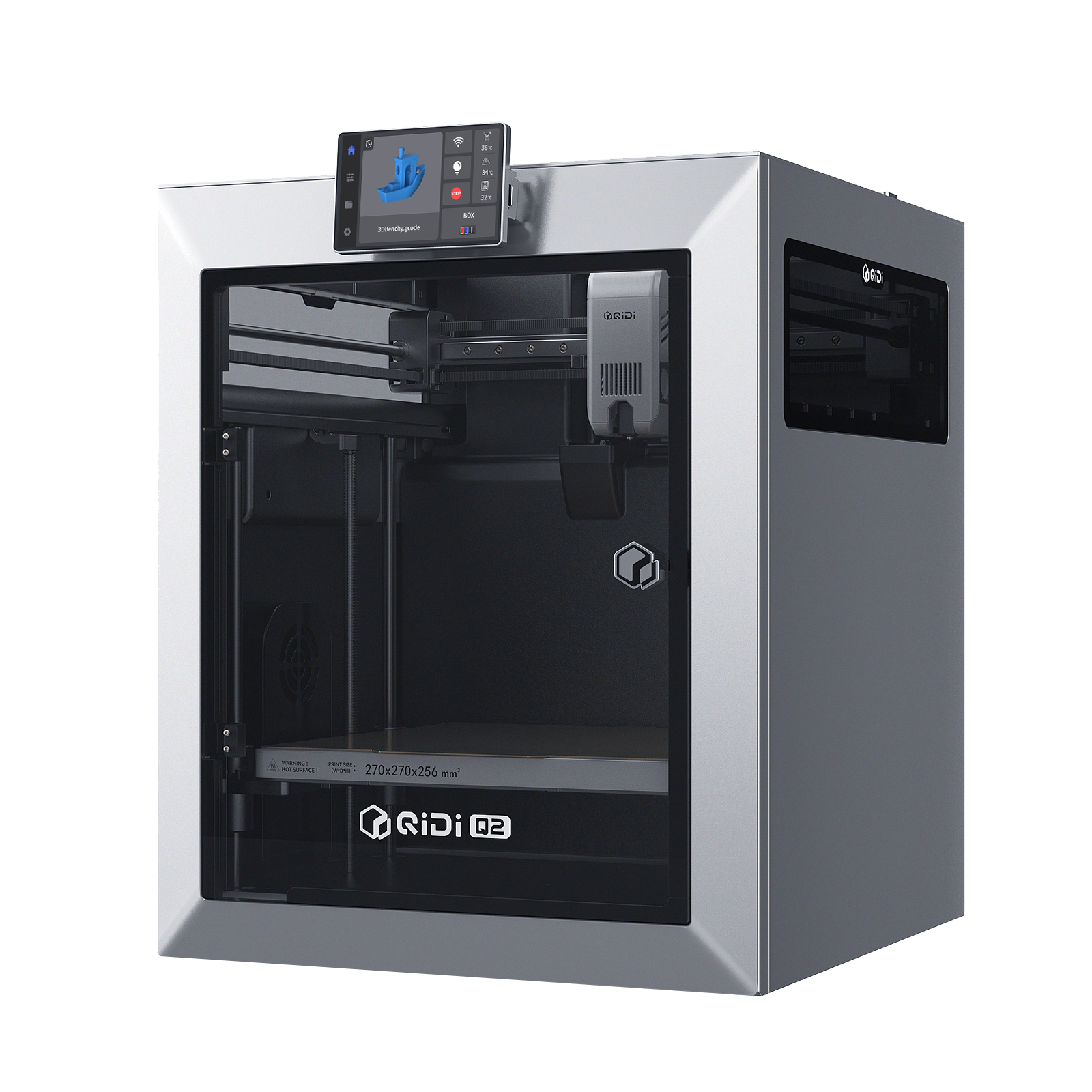
QIDI Q2: Best entry point for enclosed 3D printing
The QIDI Q2 is the model I would look at first if you want your first serious 3D printer but do not want to start with an open-frame basic machine. QIDI describes it as redefining the first entry-level 3D printer, and the feature list backs that positioning: enclosed build, 370 C nozzle, 65 C active chamber heating, 3-in-1 air filtration, and QIDI Box compatibility.
That is a lot of capability for a printer positioned near the beginner category. The Q2 makes sense if you want room to grow from PLA and PETG into more demanding materials later.
CTA: Check QIDI Q2
QIDI Q2C: Best budget pick in the current lineup
The Q2C appears on the homepage at $399 and sits inside the Q2 series. It is the model to compare if your budget is tighter but you still want the QIDI ecosystem and an enclosed printer direction.
I would check the exact product page before buying because Q2 and Q2C can differ in included features, options, and bundle configuration. If the price gap is small, the standard Q2 or Q2 Combo may be easier to justify for long-term flexibility.
CTA: Check QIDI Q2C
QIDI Q1 Pro: Best value enclosed CoreXY option
The QIDI Q1 Pro is a strong value pick if you want an enclosed CoreXY machine with a heated chamber but do not need the larger Plus4 or Max4 build volume.
The official page lists a 245 x 245 x 240 mm build size, 350 C hotend, max 60 C active chamber heating, and full-auto calibration. That makes it more capable than a basic PLA printer while still staying at a lower price than QIDI's bigger machines.
The main catch checked on June 17, 2026: the product page showed some variants as sold out. Stock and warehouse availability matter, so confirm before planning a project around it.
CTA: Check QIDI Q1 Pro

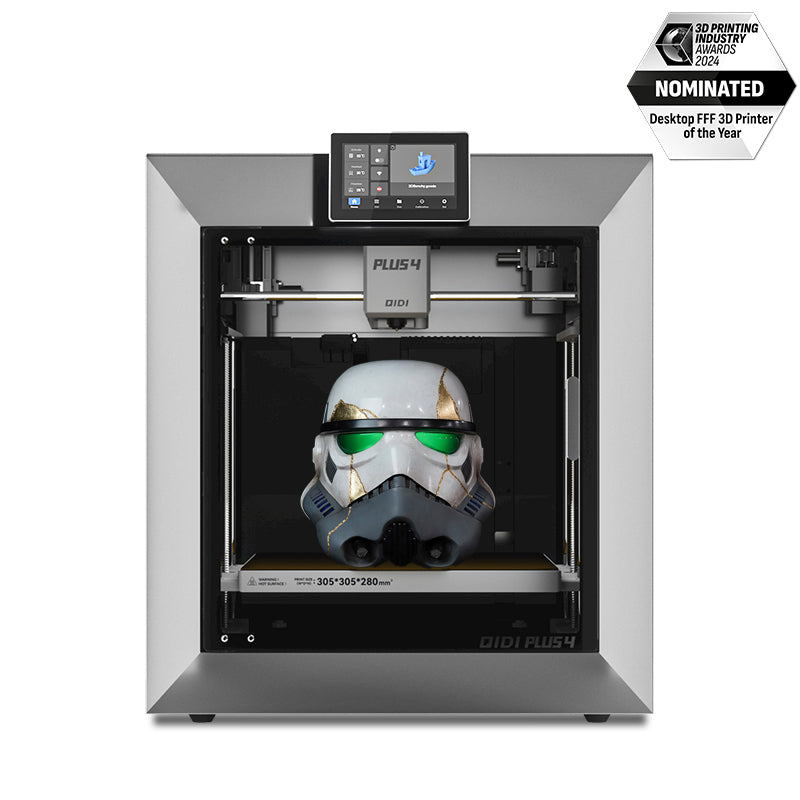
QIDI Plus4: Best balanced large enclosed printer
The QIDI Plus4 is the model I would compare first if you want a larger all-around printer. It has a 305 x 305 x 280 mm build size, full-auto calibration, 65 C active chamber heating, and QIDI Box compatibility.
This is a sensible middle ground: much larger and more capable than the smallest entry printers, but not as physically large or expensive as the Max4. It is likely the better choice for many advanced hobbyists, small shops, and prototype users.
CTA: Check QIDI Plus4
QIDI Max4: Best for large-format and high-temp work
The QIDI Max4 is the serious machine in the current lineup. It lists a 390 x 390 x 340 mm build volume, active cooling air control, a 390 x 390 mm ultra-uniform heated bed, AI camera, and QIDI Box compatibility.
This is the model to consider if your projects are physically large or you want to work with demanding materials more often. It is also the model that asks for the most planning: space, budget, ventilation, filament drying, spare parts, and maintenance all matter more at this level.
CTA: Check QIDI Max4
QIDI Box is positioned as a multi-color and multi-material add-on for compatible printers such as Q2, Plus4, and Max4. If you want colorful models, soluble support workflows, or material switching, this is one of the most important parts of the current QIDI ecosystem.
Still, multi-material printing is not something I would recommend as the first thing a total beginner learns. It introduces more variables: purge waste, color bleed, filament compatibility, moisture control, and slicer setup.
CTA: Check QIDI Box

QIDI sells a wide filament range, which is useful if you want materials matched to the printers and profiles. The store lists common filaments and engineering materials, including:
- PLA Basic
- PETG Basic
- PLA Matte Basic
- PETG Translucent
- PLA Rapido
- ABS Rapido
- ASA
- TPU
- PET-CF
- PAHT-CF
- PA12-CF
- PPS-CF
- UltraPA-CF25
- PC/ABS-FR
This is one of QIDI's strongest angles. Enclosed, heated-chamber printers are more interesting when the filament catalog actually supports that ambition.
For beginners, start with PLA or PETG. For advanced users, carbon-fiber nylon, ABS, ASA, and other engineering materials are where QIDI's enclosed printers become more useful.
CTA: Browse QIDI filaments

QIDI's accessory section is unusually deep. The official store lists model-specific parts for Q2, Plus4, Q1 Pro, X-Max 3, Max4, QIDI Box, and older models.
Examples include:
- Nozzles
- Hotends
- PEI plates
- Cool plates
- Cameras
- Fans
- Screens
- Extruders
- Air filters
- Motherboards
- Filament runout sensors
- QIDI Box parts
This matters more than it sounds. A good 3D printer ecosystem needs parts availability. If you print often, consumables and replacement parts are not optional forever.
CTA: Browse QIDI accessories

The lineup is practical:
QIDI covers entry, mid-range, large-format, and high-temp needs without forcing every buyer into one machine.
The enclosed printer focus is useful:
Enclosures, heated chambers, air filtration, and high-temperature hotends make QIDI more interesting for people who want to print beyond PLA.
The material ecosystem is broad:
The filament catalog includes basic materials and engineering composites. That is important if you want one brand ecosystem for printer, material, and parts.
The official support structure is visible:
QIDI offers software downloads, QIDI Studio, QIDI Link, support center, order tracking, official wiki, guides, blog posts, and after-sale support pages.
Replacement parts are easy to find:
The accessory catalog is detailed and model-specific. That is a big plus for maintenance-heavy users.
The lineup can feel busy:
Q2, Q2C, Q1 Pro, Plus4, Max4, X-Max 3, QIDI Box, and older models can be confusing for a first-time buyer.
Shipping and warehouse details need checking:
Product pages mention local sites, warehouse options, China shipping, regional service, customs, and pre-order notes. Always check the checkout page for your region.
High-temp printing is not beginner-simple:
Printing ABS, ASA, nylon, carbon-fiber composites, or PC blends requires better ventilation, filament drying, correct nozzles, chamber management, and safety awareness.
Multi-material printing adds complexity:
QIDI Box is exciting, but it adds more setup and tuning. It is better after you already understand single-material printing.
Some variants may sell out:
Stock status can vary. The Q1 Pro page, for example, showed sold-out status for some variants when checked.
QIDI vs Bambu Lab
Bambu Lab is the easier recommendation for buyers who want a polished app-driven ecosystem and very smooth multi-color workflow. QIDI is more attractive if you care about enclosed high-temperature printing, heated chambers, larger formats, and a broad engineering material catalog.
Choose QIDI if:
- You want heated chamber capability
- You plan to print ABS, ASA, nylon, or composites
- You want a large-format model like Max4
- You value official spare parts and high-temp material support
Choose Bambu Lab if:
- You want a more refined consumer ecosystem
- You care most about smooth multi-color workflow
- You want a simpler out-of-box experience
QIDI vs Creality
Creality has a huge product range and strong budget appeal. QIDI feels more focused on enclosed printers and higher-temperature use cases.
Choose QIDI if:
- You want enclosed printing from the start
- You want a heated chamber direction
- You want stronger engineering material support
Choose Creality if:
- You want lower entry prices
- You like modding and open community experimentation
- You want many third-party upgrades and parts
QIDI vs Prusa
Prusa has a strong reputation for reliability, documentation, and open-source culture. QIDI competes more on enclosed high-temperature value and larger machine options.
Choose QIDI if:
- You want enclosed CoreXY-style machines at aggressive prices
- You need high-temp material support
- You want larger build volume options
Choose Prusa if:
- You prioritize long-term firmware/documentation culture
- You value open-source ecosystem
- You want a conservative, reliability-first purchase
Buy QIDI Q2 if:
- You want your first serious enclosed printer
- You want room to grow into more materials
- You like the option of QIDI Box compatibility
Buy QIDI Q2C if:
- You want the lower-cost Q2-family option
- You are price-sensitive
- You do not need every upgrade immediately
Buy QIDI Q1 Pro if:
- You want an enclosed CoreXY printer at a lower price
- You are okay with a smaller build volume
- You can find it in stock for your region
Buy QIDI Plus4 if:
- You want the best balance for most advanced hobbyists
- You need a larger build size than Q1 Pro or Q2
- You want a capable enclosed machine without jumping to Max4
Buy QIDI Max4 if:
- You need large-format prints
- You print engineering materials often
- You have space, budget, and ventilation for a more serious machine
Buy QIDI Box if:
- You already have a compatible QIDI printer
- You want multi-color or multi-material workflows
- You are ready for extra tuning and filament management
Check your local store/region:
QIDI's website includes US, EU, DE, UK, JP, CA, AU, and global options. Use the correct region for better shipping and support.
Read the shipping note:
Some products ship from local warehouses, some ship from China, and some may require customs handling. Do not skip this section.
Match printer to materials:
If you only print PLA toys, you do not need the largest high-temp machine. If you want ASA, ABS, nylon, or carbon-fiber materials, enclosure and chamber control matter.
Budget for filament and parts:
Nozzles, build plates, filters, filament dryers, and spare parts are part of long-term ownership.
Think about ventilation:
High-temp materials can produce fumes. Use good ventilation and follow material safety guidance.
Start simple:
Even if you buy a capable QIDI machine, start with PLA or PETG before jumping into carbon-fiber nylon or multi-material prints.
Pros:
- Strong enclosed printer lineup
- Good high-temperature and heated-chamber positioning
- Q2 offers serious features for an entry-level buyer
- Plus4 is a balanced larger machine
- Max4 has large-format and high-temp appeal
- QIDI Box adds multi-color and multi-material options
- Broad filament catalog
- Deep accessory and replacement-part store
- Official software, wiki, support, blog, and guides
Cons:
- Product lineup can be confusing
- Shipping and regional availability need careful checking
- High-temp printing requires more user knowledge
- Multi-material printing is more complex than it looks
- Some models or variants may be sold out or pre-order
- Not the simplest choice for a casual PLA-only user
Is QIDI a good 3D printer brand?
QIDI is worth considering if you want enclosed printers, heated chamber capability, high-temperature material support, and official parts/filaments. It is especially interesting for users moving beyond basic PLA printing.
Which QIDI printer is best for beginners?
The QIDI Q2 is the most interesting beginner-friendly choice in the current lineup because it is positioned as an entry-level enclosed printer but still includes strong features such as 370 C nozzle temperature, active chamber heating, air filtration, and QIDI Box compatibility.
Is QIDI Plus4 worth it?
The Plus4 is worth considering if you want a balanced larger enclosed printer with 305 x 305 x 280 mm build size, full-auto calibration, 65 C active chamber heating, and QIDI Box compatibility.
Who should buy QIDI Max4?
The Max4 is best for users who need large-format printing, high-temp materials, and a more serious workshop machine. It is not the best first printer for someone who only wants simple PLA prints.
What is QIDI Box?
QIDI Box is QIDI's multi-color and multi-material system for compatible printers. It can expand what you can print, but it also adds setup, tuning, and filament-management complexity.
Does QIDI sell filaments?
Yes. QIDI sells common filaments, high-performance materials, and industrial composites including PLA, PETG, ABS, ASA, TPU, PA, PA-CF, PET-CF, PPS-CF, and other engineering materials.
Are QIDI printers good for ABS and ASA?
QIDI's enclosed printers with active chamber heating are better suited to ABS and ASA than basic open-frame printers. You still need proper ventilation, dry filament, tuned profiles, and safe handling.
QIDI is a strong option for users who want more than a basic 3D printer. The current lineup makes the most sense for people who care about enclosures, heated chambers, engineering materials, multi-material options, and long-term access to spare parts.
For most buyers, I would start the comparison with QIDI Q2 if you are newer, Plus4 if you want the best balanced machine, and Max4 if you need large-format high-temp printing. QIDI Box is worth adding only when you are ready for multi-color or multi-material workflows.
Final CTA: Shop QIDI 3D Official Store
- QIDI official website
- QIDI 3D printers collection
- QIDI Q2 product page
- QIDI Q2C product page
- QIDI Q1 Pro product page
- QIDI Plus4 product page
- QIDI Max4 product page
- QIDI Box product page
- QIDI filaments collection
- QIDI accessories collection