Updated: October 13, 2026 | PickNexo

Today's news extends beyond prices. South Korea has approved website restrictions affecting 27 unregistered crypto platforms, while Ledger has released further findings about devices sold through CryptoBilis. Blur has announced a planned website closure, adding another sign of contraction in the NFT trading business.
Meanwhile, Aptos is introducing transaction protection against trading bots, the BIS is testing privacy features for digital cash, and global regulators are examining stablecoin oversight. Together, these developments put access, security and privacy at the center of the crypto discussion.
Bitcoin reached approximately US$83,944 on Bitstamp during Tuesday's recovery, according to Cointelegraph. Prices are a snapshot from the reported session rather than a live quote.
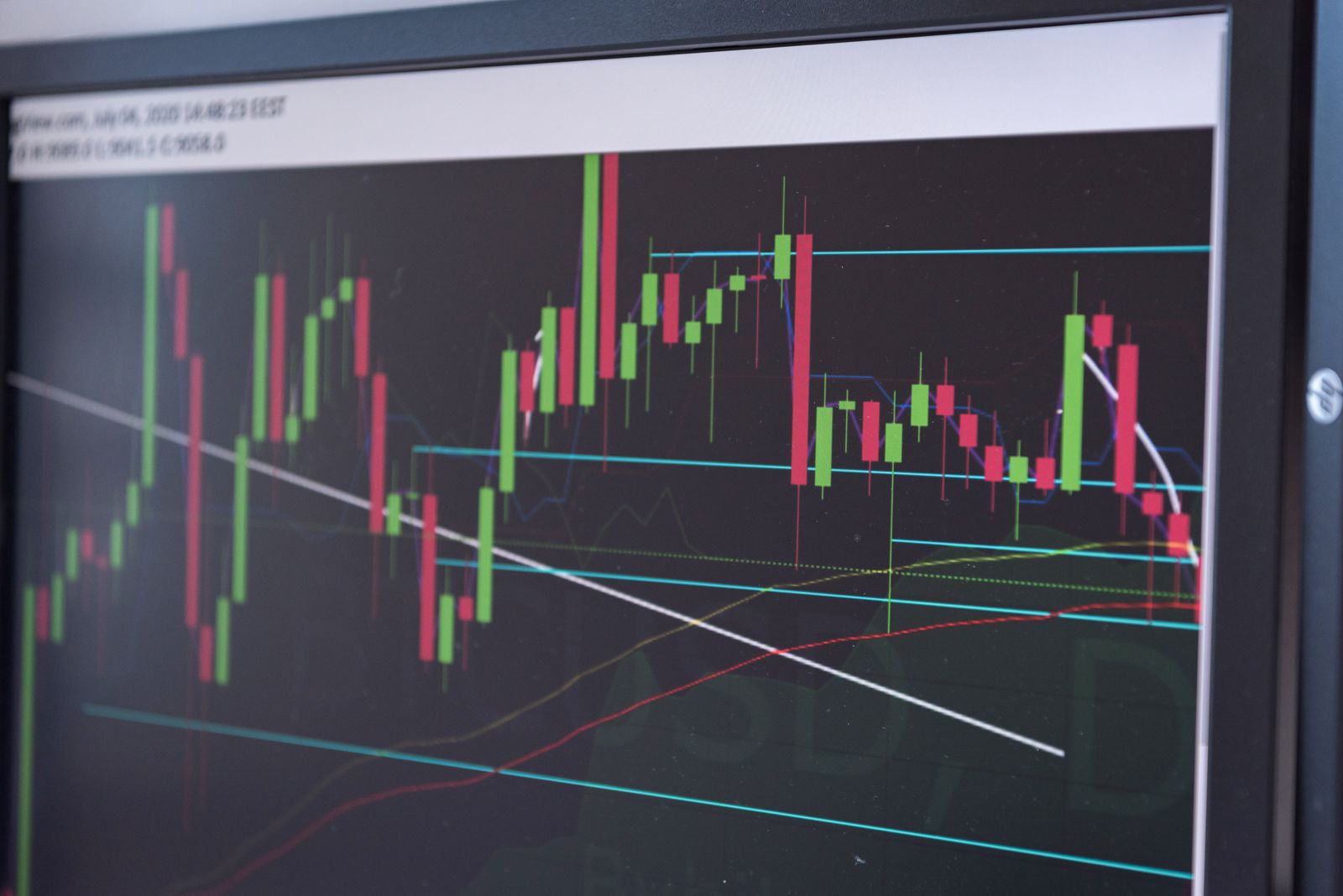
At the U.S. stock-market open, Bitcoin retained much of its overnight gain while American equities recovered from an initial decline. Cointelegraph also reported that the dollar index reached an 18-month high, a potential constraint on further upside. Source: Cointelegraph market update.
South Korea's KOSPI closed down 5.4%, with semiconductor shares under pressure from concerns about AI-related valuations and competition. Bitcoin's recovery contrasted with that move, although the divergence may be temporary.

The combination is mixed: Bitcoin recovered despite selling in Asian equities, but investment flows remained soft. Traders will need to see whether the rebound is followed by renewed demand rather than relying on a brief price recovery. Source: Cointelegraph on the Korean selloff and ETF flows.
South Korea's Financial Intelligence Unit announced measures to restrict domestic access to 27 websites operated by unregistered crypto businesses. Named platforms include KuCoin, MEXC, Phemex and Bitrue.

The FIU acknowledged that blocked access could complicate withdrawals for existing customers and said it would coordinate guidance and support. For readers, this is a jurisdiction-specific access measure, not evidence that every named exchange has stopped operating worldwide.
The practical issue is how customers recover access to their assets while platforms and authorities implement the restrictions. Source: Cointelegraph.
CoinDesk reported a new Ledger investigation update describing a covert component in affected CryptoBilis-sold devices that could transmit wallet recovery information over a mobile network.

The investigation is continuing. Its findings should not be generalized into a claim that every Ledger device is compromised, and the illustrative image here does not show an affected wallet. Source: CoinDesk investigation update.
Blur announced on Monday that its website frontend will close on November 12. Coverage today clarified that its onchain marketplace will remain operational, so the announcement does not mean the underlying contracts will disappear.

The decision reopens debate over NFT marketplace economics, creator royalties and trading rewards. A service can attract substantial trading activity without establishing a sustainable business or retaining users once incentives weaken.
For participants, the immediate priority is understanding the announced deadlines and the difference between the website, the lending interface and contracts that remain onchain. Source: Cointelegraph.
Aptos announced on October 12 that its encrypted mempool is live on mainnet, a development receiving wider coverage today. Users can choose to hide transaction contents while validators determine their order.

The feature does not make activity permanently anonymous. Sender and fee information remain visible at submission, and transaction data is recorded onchain after finalization. Aptos says the design uses the existing validator set rather than a separate group entrusted with decryption.
This is a targeted improvement to transaction execution: it addresses information exposed before a trade executes while preserving an auditable chain afterward. Source: Aptos official announcement.
The Bank for International Settlements published its Project Aurum Phase 2 report today. The research explores how digital cash can reduce unnecessary exposure of payment data while retaining compliance functions.
The project is a proof of concept, not a newly launched public currency. Its design combines privacy technologies with configurable features intended to help policymakers examine different choices about transparency and oversight.
The broader question is whether useful privacy can be embedded in payment systems rather than depending entirely on promises about how institutions handle data. The prototype provides a way to test those choices, but research findings should not be confused with readiness for nationwide deployment. Source: BIS Project Aurum Phase 2.
The Financial Stability Board's October 12 publications remain relevant to this week's policy discussion. They address vulnerabilities in global stablecoin arrangements and the need for coordination across borders.
Stablecoins can circulate across jurisdictions even when supervision, reserve arrangements and crisis responses remain organized nationally. That creates questions about information sharing and responsibility when an issuer or related service encounters stress.
For the industry, adoption and oversight are developing together. Wider use in payments makes coordination between authorities and service providers more consequential. Sources: FSB stablecoin report and FSB Chair's policy update.
A UK High Court ruling determined that Chinese law should govern ownership claims involving approximately 61,000 seized Bitcoin linked to an investment fraud case.
The decision concerns the law applicable to those claims. It does not finally decide who owns the Bitcoin or automatically award the assets to the British government. Further proceedings will examine whether claimants can establish property interests under Chinese law.
That distinction is essential when interpreting headlines about the roughly US$5 billion dispute. A procedural setback for claimants is not the same as a completed confiscation or distribution decision. Source: Cointelegraph.
The first signal is whether Bitcoin can sustain a move through the sell orders around US$84,000. A brief test of that level carries less weight than sustained trading supported by demand.
The second is institutional flow. Further ETF withdrawals would leave the price recovery dependent on other buyers.
The third is the relationship between crypto, the dollar and technology shares. Tuesday's divergence from South Korean equities is encouraging for Bitcoin holders, but it remains a short observation.
The fourth is operational access. South Korea's website restrictions and Blur's announced deadlines may require affected users to review platform notices carefully.
The fifth is the quality of security disclosures. Ledger's ongoing investigation and Aptos's transaction-encryption rollout address different risks, but both show why specific technical details matter more than broad claims of safety.
Bitcoin's recovery toward US$84,000 offered a more resilient market picture than the selloff in South Korean technology shares. Continued ETF withdrawals and dollar strength, however, limit what can be inferred from one rebound.
The day's wider stories concern how crypto services function in practice: access to exchanges, trust in hardware, sustainable marketplace operations and protection of transaction information.
Progress is visible in Aptos's execution safeguards and the BIS's digital-cash research, while regulatory and legal developments show that access and ownership remain dependent on jurisdiction. These developments deserve attention alongside the price chart.
This article is for informational purposes only and should not be considered financial advice.
Sources: Cointelegraph, CoinDesk, Aptos Network, Bank for International Settlements and Financial Stability Board. Direct article and announcement links appear alongside the relevant sections. Photographs are illustrative stock images from Pexels, not photographs of the reported incidents.