Updated: September 29, 2026 | PickNexo
The market is waiting for Wednesday's U.S. Personal Consumption Expenditures inflation report, which could influence expectations for another Federal Reserve rate increase. Brent crude is trading near US$107 per barrel, adding to concern that energy costs may keep inflation elevated.
Away from prices, institutional interest in Ethereum remains active. U.S. spot Ether ETFs have recorded seven consecutive sessions of net inflows, and BitMine says its corporate treasury now exceeds 6 million ETH. Bitget has also released more details about the third-party security vulnerability involved in its US$387.5 million incident.
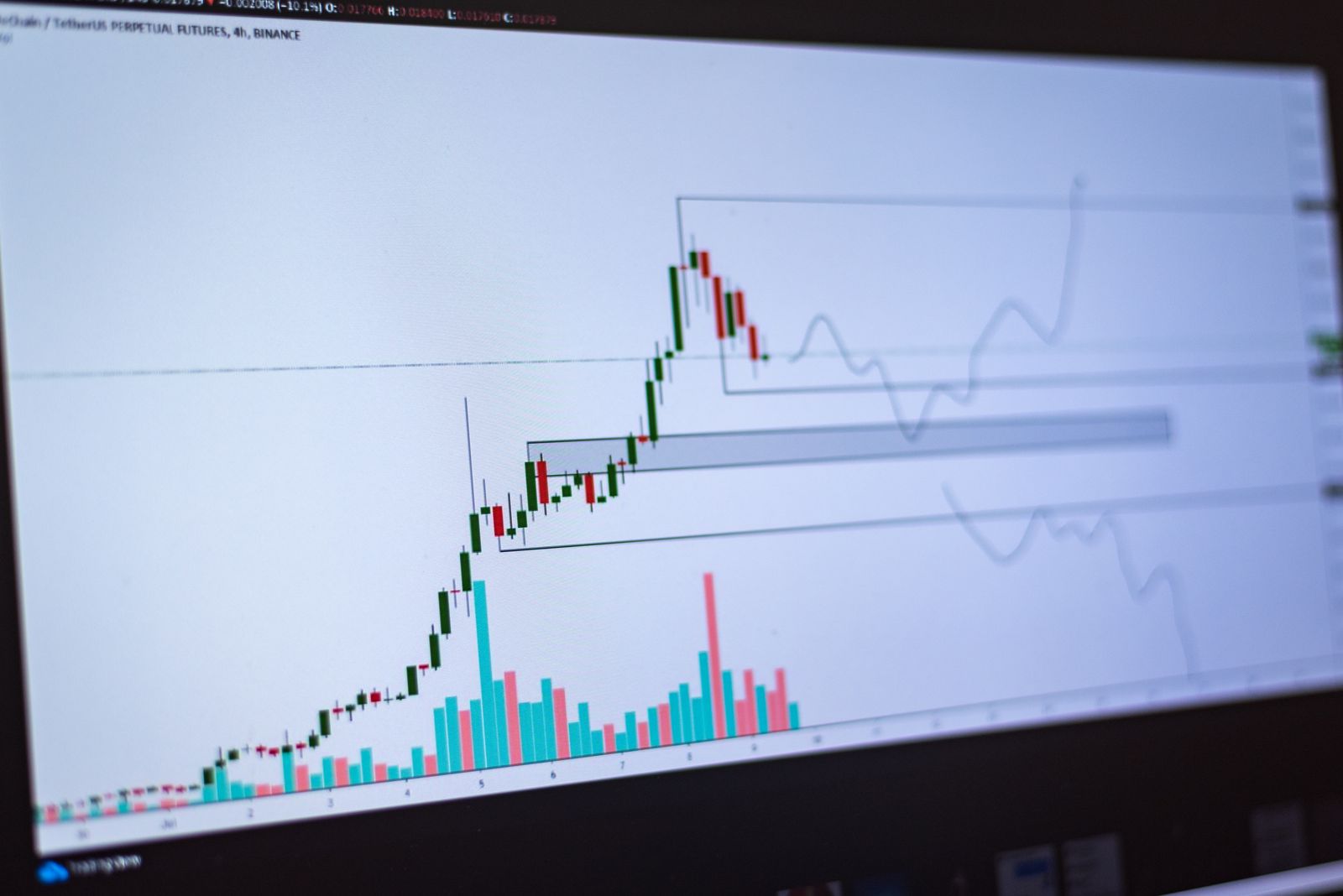
Bitcoin traded around US$83,100 to US$83,500 during Tuesday's session after falling as low as approximately US$82,600 on Monday. The asset is testing the lower boundary of the range established after last week's rally above US$87,000.
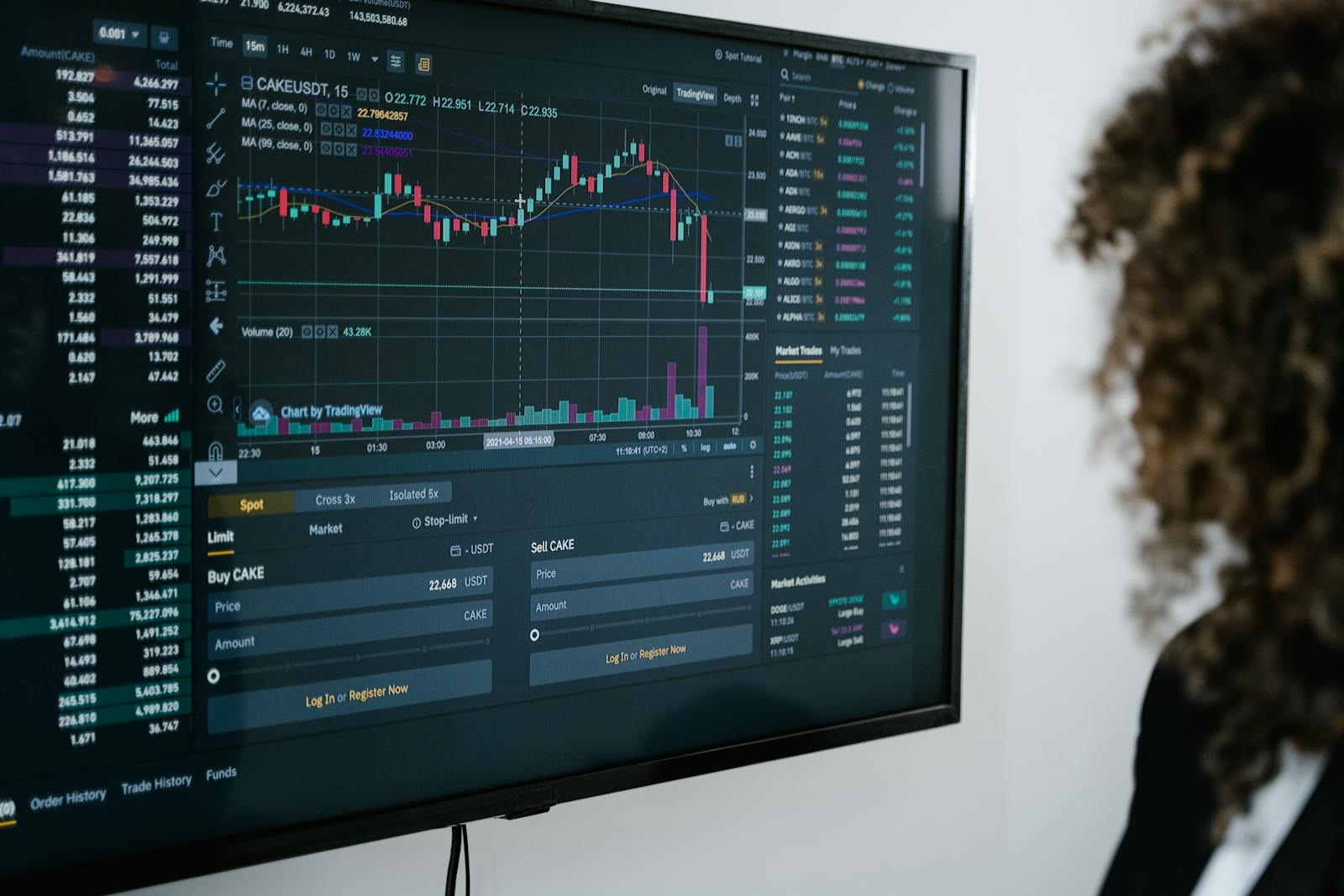
A sustained break below US$82,000 would increase the probability of a move toward US$80,000. If buyers defend the range, Bitcoin would need to recover US$85,000 before the short-term market structure becomes constructive again.
Brent crude rose for a second consecutive session and traded close to US$107 per barrel as hopes for rapid diplomatic progress involving Iran weakened. Higher oil prices can increase transportation and production costs, complicating the inflation outlook.

High yields raise the opportunity cost of holding Bitcoin because government debt provides income with much lower volatility. In the short term, BTC continues to trade as a liquidity-sensitive risk asset even when investors view it as a longer-term hedge against monetary instability.
The U.S. Commerce Department is scheduled to publish August Personal Consumption Expenditures data on Wednesday. Core PCE is the Federal Reserve's preferred inflation measure and is expected to rise approximately 0.3% from the previous month.

Investors are also waiting for Friday's U.S. employment report. The combination of inflation and labor data will help determine whether the economy remains strong enough for the Fed to keep policy restrictive without causing a sharp slowdown.
Zcash led losses among major crypto assets, falling approximately 12% toward US$1,380. Solana and Hyperliquid declined between 3% and 4%, while Dogecoin fell around 3% and BNB and XRP also moved lower.

The total crypto market value remained near US$2.86 trillion. Bitcoin's smaller decline relative to many altcoins suggests traders are reducing higher-risk positions before abandoning the largest digital asset.
Ether traded near US$2,660 to US$2,690 and showed more stability than several other large-cap assets. ETH remains below the recent high near US$2,780 but has not broken decisively from its September trading range.
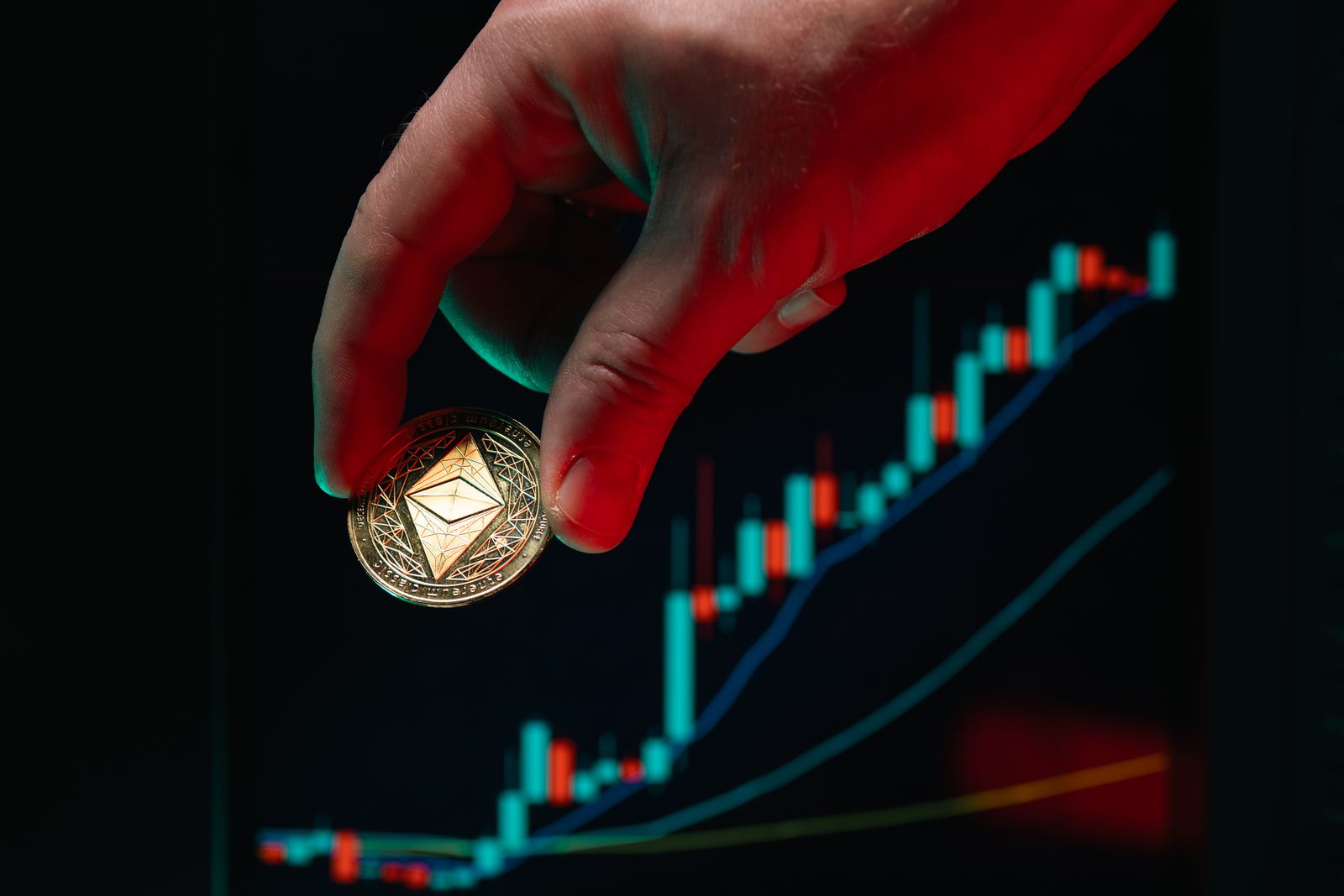
For the short term, US$2,600 is the key support area. A break below it would weaken the structure, while a recovery above US$2,750 would suggest buyers are regaining control.
U.S. spot Ether ETFs recorded approximately US$17.1 million in net inflows on September 28, extending their positive run to seven consecutive trading sessions. BlackRock's ETHA led the day with roughly US$15.4 million, while 21Shares' TETH added about US$1.7 million.
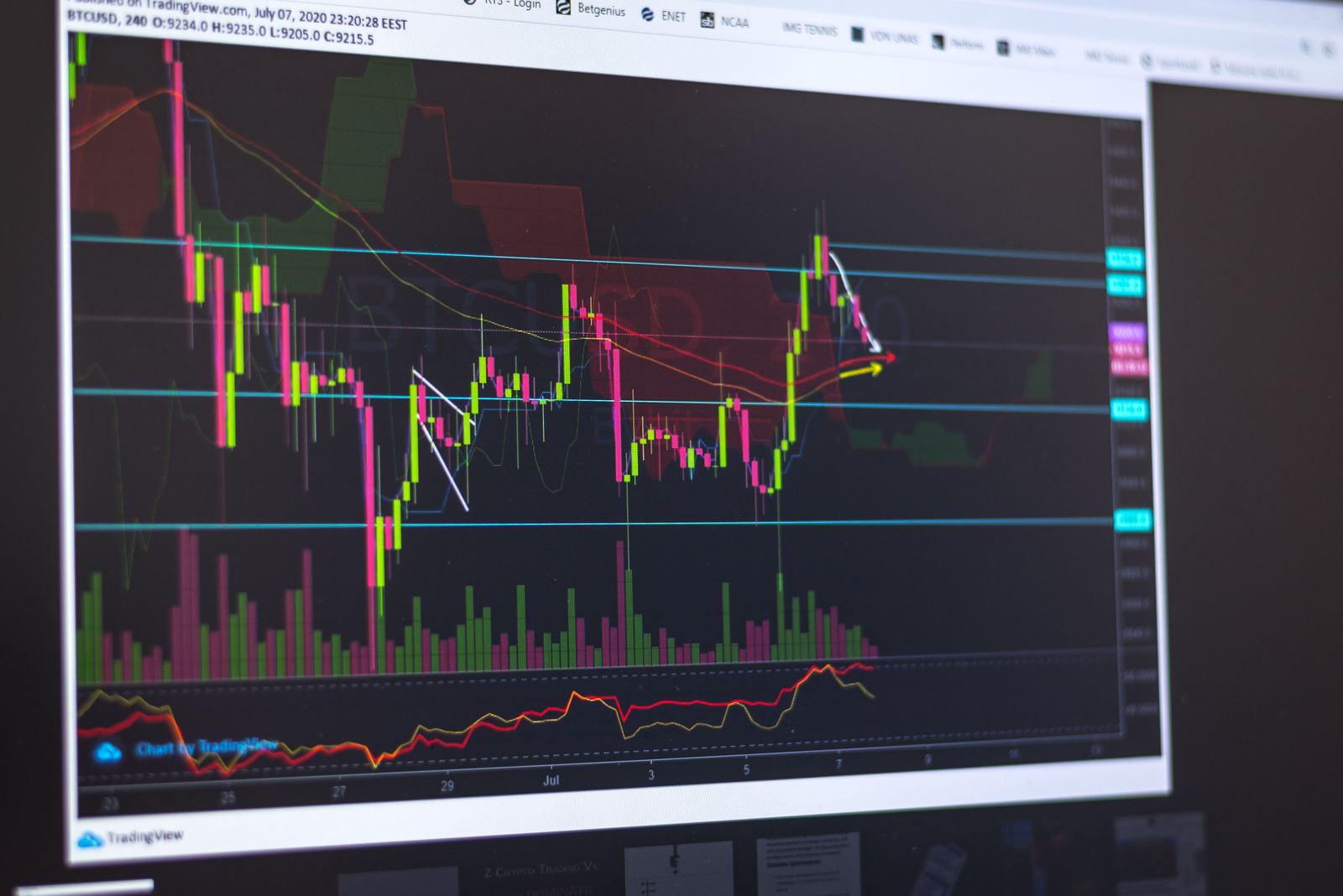
Over the latest five trading sessions, the products attracted approximately US$436.9 million. Continued inflows could help ETH absorb macroeconomic selling, although ETF demand may weaken quickly if yields continue rising.
BitMine Immersion Technologies reported holdings of 6,001,302 ETH as of September 27 after purchasing another 17,362 ETH during the previous week. The position represents approximately 4.9% of Ether's circulating supply.

BitMine's accumulation creates a significant source of demand, but such concentration also carries risk. A company holding close to 5% of ETH supply can influence market liquidity, and shareholders remain exposed to the price of Ether, financing costs and corporate execution.
Bitget says the attacker exploited a previously unknown vulnerability in a third-party security product to obtain internal access credentials. According to the exchange, fraudulent withdrawal commands were then inserted into wallet backend systems and treated as legitimate instructions.
Bitget says private keys and cold wallets were not compromised. The estimated affected amount has been revised to US$387.5 million, and the company says its Protection Fund will absorb the loss. Mandiant and SlowMist continue to support the investigation, so the technical account should still be treated as preliminary until the full incident report is published.
Bitget's published recovery schedule calls for Ether withdrawals to reopen on September 29 across Ethereum, BNB Smart Chain, Arbitrum, Base and Optimism. Bitcoin withdrawals reopened on September 28 and reportedly processed more than 3,000 BTC during the first hour.
Users should confirm availability inside the official application and avoid links sent through unsolicited messages. Major security incidents often produce secondary phishing attempts that imitate exchange support or asset-recovery services.
The first signal is Bitcoin's US$82,000 support. A daily close below that area would make US$80,000 the next major level, while a recovery above US$85,000 would reduce immediate downside risk.

The third signal is oil. Brent remaining above US$100 would keep energy-driven inflation concerns active even if other economic indicators begin to cool.
The fourth signal is institutional Ether demand. The seven-session ETF inflow streak and BitMine's accumulation are supportive, but investors should watch whether buying continues during a broader risk-off period.
The fifth signal is Bitget's restoration process and formal incident report. Successful withdrawals matter, but the industry also needs independently supported details about the vulnerability, controls and recovery of stolen assets.
Bitcoin is defending the lower edge of its recent range as oil prices and Treasury yields keep global markets under pressure. BTC remains near US$83,000, Ether is holding around US$2,670 and speculative altcoins are showing wider performance differences.
Wednesday's PCE inflation report is the immediate macro catalyst. A strong reading could increase rate-hike expectations and threaten Bitcoin's US$82,000 support, while softer inflation could allow the market to recover toward US$85,000.
Ethereum is showing notable institutional resilience. Spot ETFs have recorded seven consecutive sessions of inflows, and BitMine's holdings now exceed 6 million ETH. At the same time, the Bitget investigation demonstrates how third-party infrastructure and internal access systems can create risks even when private keys remain secure.
The market therefore remains balanced between institutional accumulation and tightening financial conditions. Investors should keep position sizes disciplined until inflation data and the next phase of exchange-security reporting provide clearer direction.
This article is for informational purposes only and should not be considered financial advice.
Sources: CoinDesk, KuCoin Market Report, TokenPost, The Block - BitMine, Bitget Security Timeline, The Block - Bitget Investigation, Ethereum.org, Economic Times.