Updated: June 4, 2026 | PickNexo
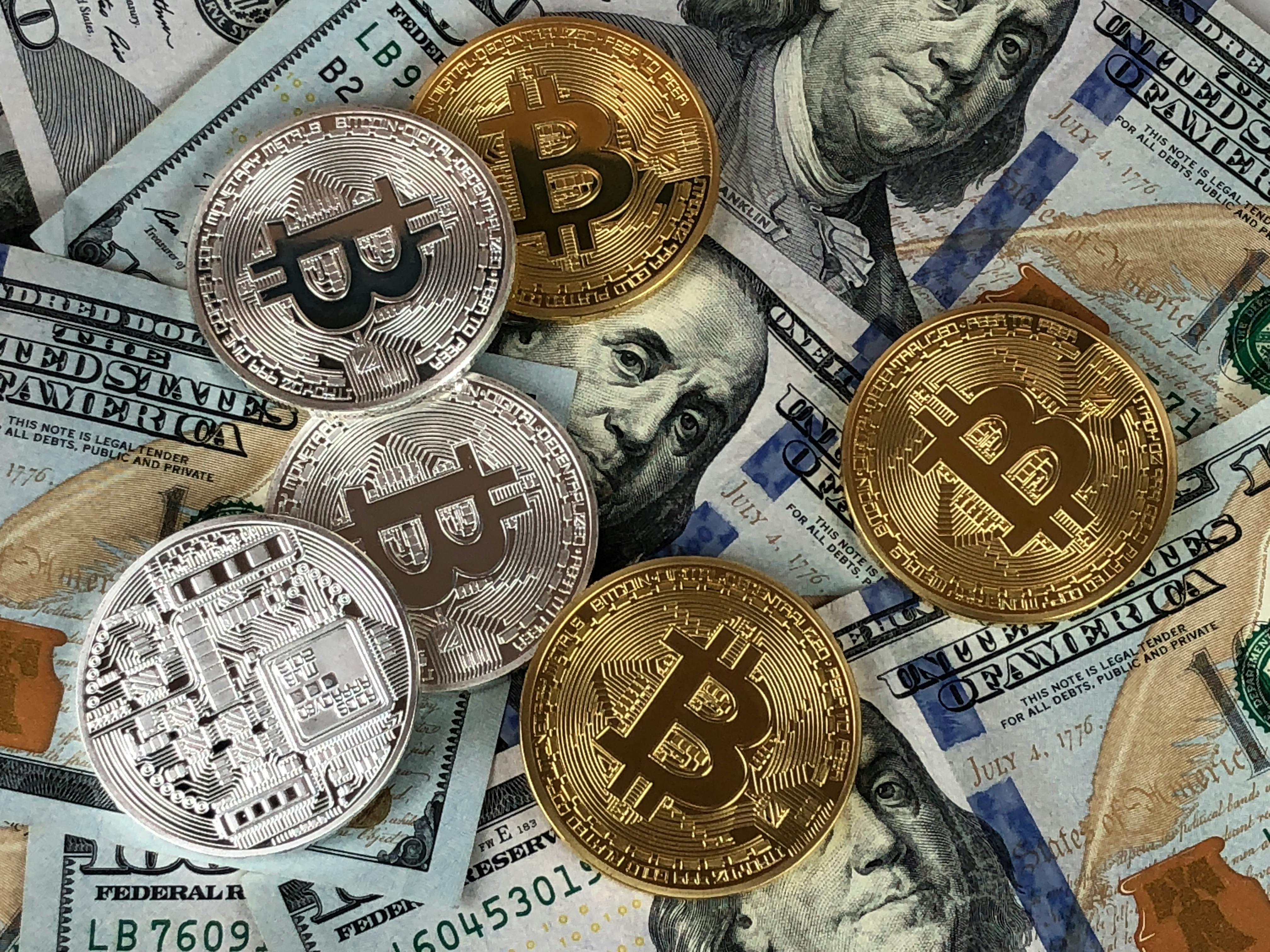
The selloff hit leveraged traders especially hard. CoinDesk reported nearly $1.84 billion in crypto leveraged positions liquidated within 24 hours, while Bitcoin.com reported more than $1.1 billion in liquidations as BTC tested support near $62,500.
Ethereum, Solana and other major altcoins also dropped sharply, showing that the market remains highly sensitive to leverage, ETF outflows, macro uncertainty and risk-off sentiment.
Bitcoin briefly fell toward the $62,000 to $63,000 range after losing several major support levels in quick succession. According to Bitcoin.com, BTC touched around $62,569 on Binance during the selloff before stabilizing near the upper-$62,000 area.
This move puts the $60,000 zone back in focus. For many traders, $60K is not just a technical level. It is also an important psychological area that has acted as support multiple times during 2026.

On the upside, the first major resistance zone sits between $65,000 and $70,000. A stronger recovery would likely require Bitcoin to reclaim that range and show signs that ETF outflows and forced selling are slowing.
The latest market drop was driven heavily by leveraged liquidations. CoinDesk reported around $1.84 billion in crypto leveraged positions liquidated over 24 hours, with long positions accounting for roughly $1.66 billion of the total.
Bitcoin longs suffered the largest losses, followed by Ethereum and Solana longs. Bitcoin.com also reported about $1.12 billion in total liquidations, with roughly $949 million coming from long positions.
This imbalance shows that many traders were positioned for a rebound before the market moved lower. When Bitcoin broke support, exchanges automatically closed leveraged trades, accelerating the selloff.
Liquidation cascades can move quickly because each forced closure adds more selling pressure. That is why crypto often falls faster than traditional markets during highly leveraged periods.
The selloff was not limited to Bitcoin. Ethereum fell below the $1,900 level, while Solana and several large-cap altcoins also dropped sharply.
CoinDesk reported that ETH, SOL and DOGE were among the tokens hit hard as bullish bets were wiped out. Bitcoin.com also noted that Ethereum accounted for more than $250 million in liquidations during the latest market flush.

For Ethereum, the long-term story around staking, DeFi and tokenization remains important. But in the short term, ETH is still trading as part of the broader crypto risk cycle. If Bitcoin remains weak, Ethereum and Solana may struggle to recover independently.
Several factors are putting pressure on crypto sentiment. Bitcoin.com highlighted heavy redemptions from U.S. spot Bitcoin ETFs, macroeconomic uncertainty, inflation concerns, elevated interest rates and geopolitical risk as key drivers of the pullback.
Another important factor is the competition for investor attention. AI stocks remain one of the strongest narratives in traditional markets, and some capital appears to be rotating away from crypto into artificial intelligence-related equities.
That matters because Bitcoin's recent cycle has been heavily supported by institutional demand and ETF flows. When ETF inflows slow or turn negative, Bitcoin loses one of its strongest sources of buying pressure.

Another detail attracting attention is Strategy's reported sale of 32 BTC between May 26 and May 31. The amount is very small compared with the company's total Bitcoin holdings, but the sale still generated discussion because Strategy is widely viewed as a symbol of corporate Bitcoin accumulation.
The market reaction is more about psychology than size. Strategy selling a small amount does not mean the company is abandoning Bitcoin. But during a weak market, even small signals can affect sentiment.
Investors are now watching whether the company continues to hold the rest of its BTC position or whether the sale was part of a minor treasury or operational adjustment.
While prices are falling, crypto's political influence in the United States continues to grow. CoinDesk reported that crypto PACs performed strongly in June primaries, continuing a bipartisan winning streak.
This matters because crypto regulation is becoming a major political issue. Industry-backed political groups are spending heavily to support candidates who favor clearer digital asset rules.

In the short term, politics may not stop a selloff. But over the long term, clearer rules could help bring more institutional capital into the market.
DeFi security is also back in focus. THORChain's recovery portal for users affected by its recent exploit has a claim deadline of June 4, 2026.
The exploit reportedly involved a threshold-signature security issue rather than a simple smart contract bug. Affected users were given a portal to check compensation, revoke malicious approvals and submit refund claims.

For investors, DeFi yield and cross-chain convenience must be balanced against security risk. Bridges, vaults and distributed key systems can fail in ways that are difficult for ordinary users to evaluate.
Even as prices fall, the crypto industry continues to build. Stable Summit IV is taking place in New York on June 4, focusing on payments, regulation, market structure, institutional capital and onchain infrastructure.
Bitcoin FilmFest 2026 is also starting in Warsaw, highlighting the cultural side of Bitcoin adoption through films, storytelling and community events.
These events show that crypto activity is not only about daily price movements. Payments, stablecoins, regulation, culture and infrastructure remain active even during market corrections.
The first signal to watch is Bitcoin's $60,000 support zone. A clean break below this level could increase downside pressure, while a strong defense may support a technical rebound.
The second signal is liquidation data. If leverage continues to unwind, volatility may remain high. If open interest resets and funding normalizes, the market may become more stable.
The third signal is ETF flow. Bitcoin needs institutional demand to recover if the market wants to move back toward the $70,000 range.
The fourth signal is Ethereum and Solana performance. If ETH and SOL continue to underperform, it may show that traders are still reducing risk across altcoins.
The fifth signal is regulation and political momentum. Crypto PAC activity, stablecoin discussions and market structure bills could still shape the long-term outlook even while prices are weak.
Crypto markets are facing one of their most difficult weeks of 2026. Bitcoin has dropped toward the $62,000 area, leveraged longs have been hit hard, and traders are now watching whether the $60,000 support zone can hold.
The selloff has also pulled Ethereum, Solana and major altcoins lower. ETF outflows, macro uncertainty, AI stock rotation and leverage have all contributed to weaker sentiment.
Still, the long-term story is not only bearish. Crypto regulation, stablecoin infrastructure, political influence and Bitcoin culture continue to develop in the background. The market is under pressure, but the industry is still moving forward.
For investors, this is a time to focus on risk management, avoid excessive leverage and watch key support levels carefully.
This article is for informational purposes only and should not be considered financial advice.
Sources: CoinDesk, Bitcoin.com News, CoinDesk News, Crypto Events, Crypoch.