Updated: August 5, 2026 | PickNexo
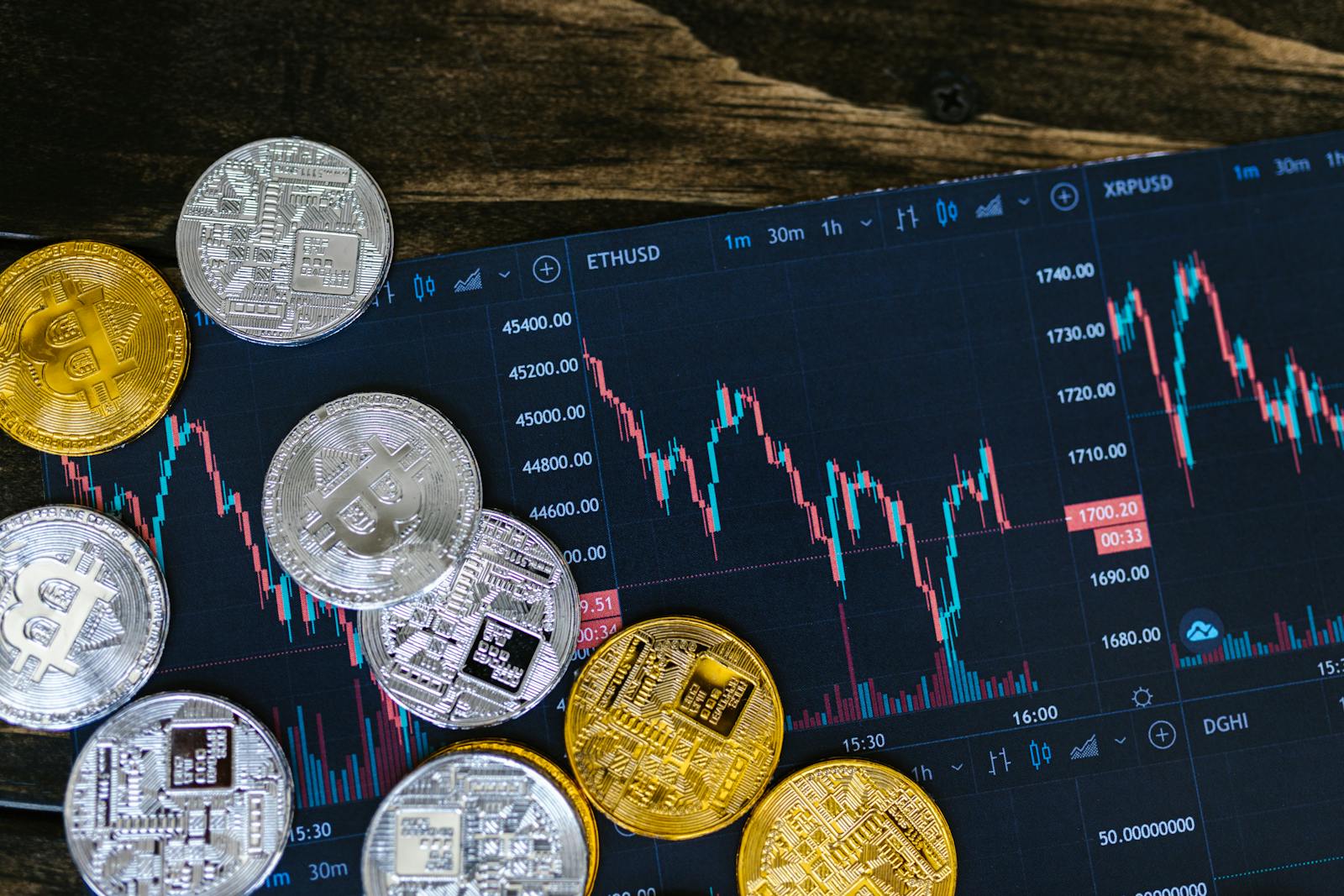
The main theme today is trust. Bitcoin ETF inflows have returned as the Coldcard wallet exploit renews the debate between self-custody and institutional custody. Ethereum is facing a major staking-reward debate. Binance-linked companies are suing RedotPay over alleged user diversion. Mastercard is testing identity checks for stablecoin transfers. BlackRock's tokenized reserve fund has received S&P's top stability rating.
In short, prices are calmer, but the industry is still dealing with security, regulation, payments infrastructure and tokenization questions that could shape the next phase of adoption.
Bitcoin is holding above US$64,000 today after a volatile start to August. Economic Times reported that BTC stabilized around US$64,129 as macro sentiment improved, while Ethereum's recovery remained weaker.

The most important support zone remains US$60,000 to US$62,000. If Bitcoin holds above that area, traders can continue treating the current move as stabilization. If BTC breaks below it, the market could quickly return to defensive positioning.
Ethereum is the weaker part of the picture. ETH remains near US$1,880, but it has not recovered with the same confidence as Bitcoin. That matters because stronger crypto rallies usually require improving breadth across Bitcoin, Ethereum and major altcoins.
ETF flows are turning positive again. Cointelegraph reported that U.S. spot Bitcoin ETFs recorded US$211.5 million in net inflows on Tuesday after US$170 million in inflows on Monday, bringing the two-day total to about US$382 million.

The timing is important. ETF demand is recovering just as the Coldcard exploit has made some investors reconsider the burden of self-custody. For many long-term Bitcoin users, self-custody remains core to the asset's philosophy. But for institutions and less technical investors, regulated custodians may look more attractive when hardware-wallet security becomes a headline risk.
For Bitcoin, sustained ETF inflows would be a meaningful support signal. One or two good days help sentiment, but the market still needs consistency.
The Coldcard wallet exploit remains one of the biggest crypto security stories of the year. Cointelegraph reported that Galaxy Digital has identified at least 15 attackers and estimates that losses could reach US$100 million to US$130 million across four waves of attacks.

The incident has also reignited debate over AI's role in vulnerability discovery. Some analysts argue that AI tools could have found the underlying weakness quickly once it became public, while others caution that such claims need more rigorous testing.
The key lesson is that Bitcoin itself can remain secure while custody tools still introduce serious operational risk. Wallet seed generation, entropy, firmware security and user migration procedures all matter.
Ethereum is facing a heated tokenomics debate. Cointelegraph reported that six Ethereum researchers and developers, including Ethereum Foundation researcher Justin Drake, proposed EIP-8363, a draft that would reduce validator rewards as the amount of staked ETH rises.

Supporters argue that unchecked staking growth could concentrate ETH in large custodians and liquid staking providers while diluting non-stakers. Critics argue that cutting rewards could hurt solo validators, weaken institutional demand for ETH and disrupt DeFi markets built around staking yield.
This is not an approved upgrade. Cointelegraph noted that EIP-8363 has not been scheduled or included in the Hegotá upgrade, and the selection process may continue into November. But the debate matters because Ethereum's long-term value story depends heavily on issuance, staking incentives and neutrality.
Crypto payments are also in focus. Cointelegraph reported that Binance-affiliated companies have sued RedotPay's founders, alleging that the Hong Kong-based crypto payments company diverted more than 470,000 Binance Card users in breach of a commercial agreement.

The dispute matters because stablecoin payment cards are becoming a competitive frontier. RedotPay says it has more than 8 million customers, US$180 million in annualized revenue and US$14 billion in annualized payment volume.
As crypto payments become more mainstream, commercial agreements, user acquisition, card partnerships and stablecoin rails will become increasingly valuable.
Mastercard and Borderless are testing shared identity checks for cross-border stablecoin transfers. Cointelegraph reported that the pilot will explore how Mastercard's Crypto Credential framework can provide assurance signals for approval, compliance and risk processes.

This is important because compliance remains one of the biggest barriers to stablecoin adoption. Traditional correspondent banking relies on trusted originators and downstream compliance signals. Stablecoin networks need similar trust frameworks if they are going to move into mainstream cross-border payments.
The timing is notable. Mastercard recently completed its acquisition of stablecoin infrastructure company BVNK, and it has been expanding settlement capabilities involving USDC, PYUSD, USDG, USDP, RLUSD and SoFiUSD.
Tokenization received another institutional signal today. Cointelegraph reported that S&P Global Ratings assigned its highest principal stability fund rating, AAAm, to BlackRock's Daily Reinvestment Stablecoin Reserve Vehicle.

This matters because tokenized money market funds are moving closer to regulated financial infrastructure. If stablecoin issuers can use tokenized reserve vehicles with strong ratings, the line between traditional cash management and blockchain-based settlement becomes thinner.
S&P also updated its stablecoin assessments, keeping USDT among its weakest-rated stablecoins while rating USDC, USDG, USDP and EURC more strongly. That reinforces the idea that reserve quality and governance will become key competitive factors in stablecoins.
The first signal is Bitcoin's US$60,000 to US$62,000 support zone. Holding above that level keeps the market stable.
The second signal is ETF flow. Two positive days are helpful, but Bitcoin needs sustained inflows to build a stronger recovery.
The third signal is Coldcard fallout. More victim reports or large fund movements could keep custody risk in focus.
The fourth signal is Ethereum staking governance. EIP-8363 is early, but the debate could affect ETH sentiment.
The fifth signal is stablecoin payments. Mastercard's pilot shows that identity and compliance layers are becoming important.
The sixth signal is tokenized reserves. BlackRock's S&P-rated fund could become a model for regulated stablecoin reserve infrastructure.
The seventh signal is crypto payments competition. The Binance-RedotPay lawsuit shows how valuable stablecoin card users have become.
Crypto markets are steadier today, but the industry is not quiet. Bitcoin has stabilized above US$64,000, ETF inflows have returned, and institutional infrastructure around custody, payments and tokenization continues to grow.
The short-term picture is cautiously positive. ETF inflows are supporting Bitcoin, but Ethereum remains weaker and the Coldcard exploit continues to raise custody concerns.
The long-term picture is more structural. Ethereum is debating issuance and staking incentives, Mastercard is testing trust layers for stablecoin transfers, BlackRock's tokenized reserve fund has received S&P's top stability rating, and crypto payment companies are fighting over users at serious scale.
For investors, this is still a selective market. For the industry, the message is clear: crypto adoption is advancing, but the next stage will depend on trust, custody, compliance, tokenized reserves and payment infrastructure.
This article is for informational purposes only and should not be considered financial advice.
Sources: Economic Times, Cointelegraph: Crypto Today, Cointelegraph: Bitcoin ETFs, Cointelegraph: Ethereum EIP-8363, Cointelegraph: Binance and RedotPay, Cointelegraph: Mastercard and Borderless, Cointelegraph: BlackRock Tokenized Reserve Fund.