Updated: August 16, 2026 | PickNexo
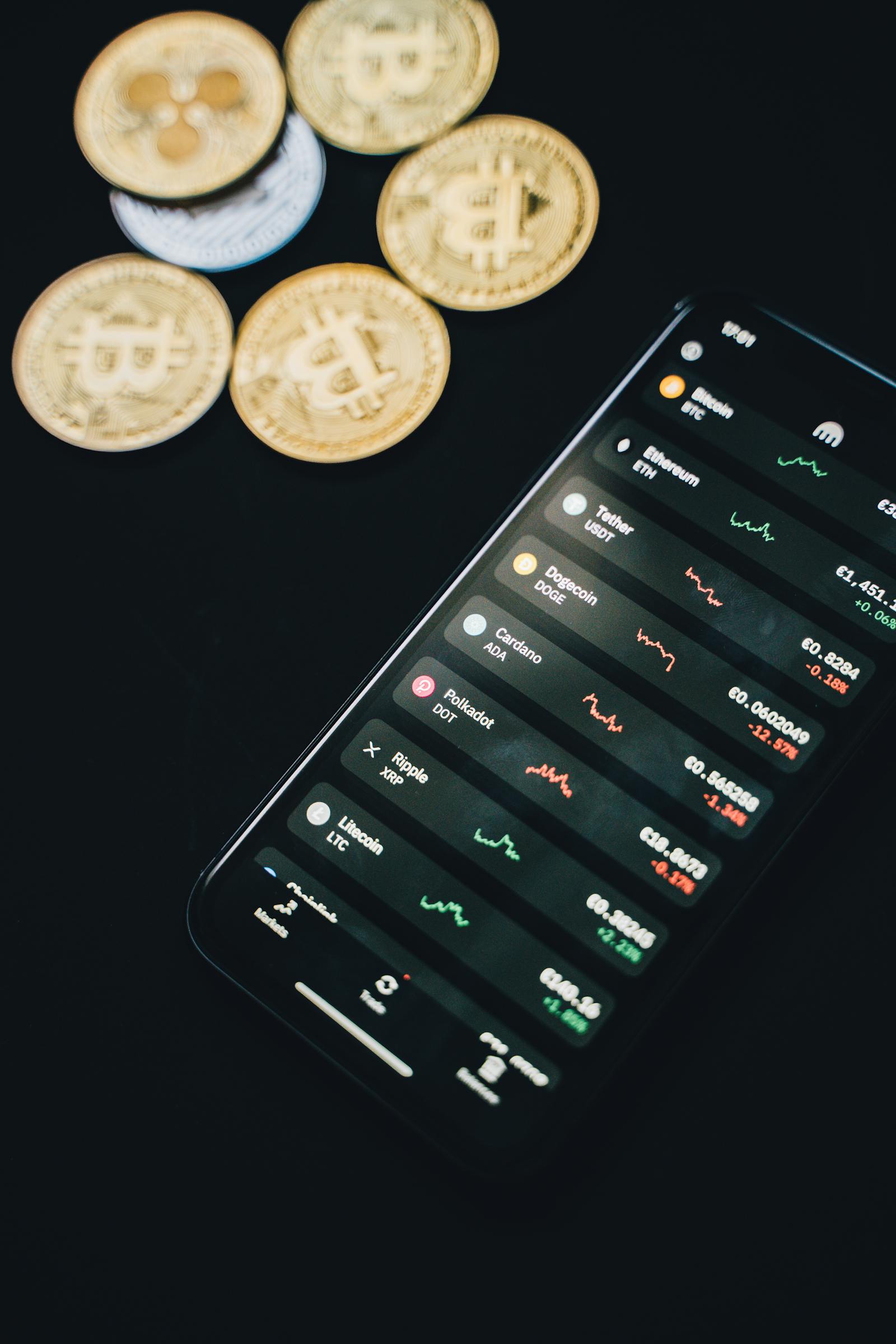
The biggest story is rotation. Traders are still watching Bitcoin support, but attention is also moving toward tokenized stocks, Ethereum's next technical upgrade, pre-IPO perpetual futures and institutional ETF positioning.
The short-term picture remains defensive. Bitcoin is still holding above its most important support zone, but regulatory delays, weak risk appetite and uncertainty around ETF flows are keeping buyers from chasing the market aggressively.
Bitcoin is trading near US$63,000 on Cointelegraph's latest market board, while Ethereum is around US$1,880 and Solana is near US$75. The move shows that crypto is still trying to stabilize, but buyers have not regained full control.

The upside level to watch is the US$65,000 to US$68,000 range. Bitcoin has struggled to build momentum above that area, and several analysts continue to argue that speculative demand is keeping price action pinned below stronger resistance.
For now, Bitcoin looks stable but not strong. The market needs either renewed ETF inflows, a better macro backdrop or stronger spot demand before traders can call this a real recovery.
Tokenized stocks are becoming one of the most active themes in crypto. Cointelegraph's latest market feed highlighted that holders of tokenized stocks have more than doubled as monthly volume has surged.

The opportunity is clear: faster settlement, 24/7 trading, fractional access and global distribution. But the risk is also clear. Tokenized shares need proper custody, transparent backing, legal clarity and strong disclosures.
The lesson from recent tokenized private-market products is that demand can grow faster than the infrastructure behind it. Tokenization may be a major long-term trend, but credibility will depend on whether platforms can prove that every token is backed by a real, enforceable claim.
Ethereum is also back in focus as developers move toward narrowing 66 proposals tied to the upcoming Hegotá upgrade. Cointelegraph reported that the upgrade is expected to include work around more native privacy for Ethereum applications.

Privacy is a particularly important issue. Institutions want compliance and transparency where required, but they also need privacy for trading, settlement, treasury operations and customer data. A more privacy-aware Ethereum could make the network more useful for real-world finance.
The market may not price these upgrades immediately. But technical progress matters because Ethereum's long-term value depends on whether the network remains the default settlement layer for tokenized assets and decentralized applications.
Ethereum remains near US$1,880, but institutional interest has not disappeared. CoinDesk has recently highlighted stronger ETF demand for Ether relative to some other large-cap crypto assets, with BlackRock's products playing an outsized role in inflows.

The challenge is regulation. Staking inside ETFs creates questions around custody, yield treatment, investor disclosures and whether rewards change the legal structure of the product.
Still, the direction is clear. Asset managers want Ethereum products that look more complete, and investors want crypto exposure that feels closer to traditional yield-bearing financial instruments.
Crypto exchanges continue moving beyond traditional token trading. Cointelegraph reported that Bybit has added Unitree and Moonshot AI to its pre-IPO perpetuals lineup, extending a trend that started with high-demand private-market names.

The benefit is access. The risk is complexity. Pre-IPO perpetuals are not actual shares, and they may not track future listing prices cleanly. Liquidity can move quickly, pricing assumptions can break, and retail users may misunderstand what they are buying.
For the crypto industry, this is both an opportunity and a warning. Demand for private-market exposure is real, but the products need clearer education and stronger risk controls.
Regulation remains a major headwind. Cointelegraph listed the SEC's canceled crypto regulatory meeting as a key recent development, while also reporting that Galaxy lowered its odds for the CLARITY Act to 10%.

The CLARITY Act is especially important because it could help define whether many tokens fall under securities or commodities oversight, while also shaping how exchanges and developers operate.
Delays do not kill the market, but they do create hesitation. Without clearer U.S. rules, investors may keep treating crypto as a tactical trade rather than a fully institutionalized asset class.
Even with regulatory uncertainty, institutional ETF positioning continues to improve in parts of the market. Cointelegraph reported that JPMorgan boosted Bitcoin and Ether ETF positions in its Q2 filing, while CoinDesk recently noted strong Bitcoin ETF inflow weeks and growing interest in Ethereum and Solana ETF products.

But the direction matters. More ETF positions on institutional filings suggest that crypto is becoming easier to include in diversified portfolios.
For Bitcoin, steady ETF demand would help defend the US$60,000 to US$62,000 support range. For Ethereum, ETF demand plus staking potential could become an important long-term driver.
The first signal is Bitcoin's US$60,000 to US$62,000 support zone. If BTC holds that area, the market may remain stable even without a major rally.
The second signal is ETF flow. Consistent inflows into Bitcoin and Ethereum ETFs would improve market confidence.
The third signal is Ethereum's Hegotá upgrade. Privacy and usability improvements could strengthen Ethereum's institutional narrative.
The fourth signal is tokenized stock growth. Rising holders and volume are positive, but backing, custody and regulation must improve.
The fifth signal is U.S. policy. SEC delays and lower CLARITY Act odds could keep investors cautious until there is a clearer path forward.
Crypto markets are cautious today. Bitcoin is near US$63,000, Ethereum is around US$1,880 and Solana is close to US$75, but the broader market is still waiting for a stronger signal before turning bullish again.
The short-term picture is fragile. Bitcoin support is holding, but regulatory delays and uncertain ETF flows are limiting risk appetite.
The long-term picture remains active. Tokenized stocks are gaining traction, Ethereum is preparing another major upgrade, asset managers continue building ETF products, and exchanges are expanding into pre-IPO derivatives.
For investors, this is a market that requires patience. For the industry, the message is clear: crypto is no longer just about coin prices. It is becoming a broader financial infrastructure layer for ETFs, tokenized assets, stablecoins, private markets and institutional settlement.
This article is for informational purposes only and should not be considered financial advice.
Sources: Cointelegraph, CoinDesk Bitcoin, CoinDesk Ethereum ETF, Cointelegraph Latest News.