Updated: October 12, 2026 | PickNexo

Institutional flows remain a concern. U.S. spot Bitcoin exchange-traded funds recorded approximately US$681 million in net outflows last week, their largest weekly withdrawal since June. Investors are also preparing for U.S. inflation data and new discussions about Ethereum's upgrade roadmap.
Outside the market, security and institutional adoption are producing major headlines. Ledger has confirmed an unauthorized hardware implant in at least one device sold by Southeast Asian reseller CryptoBilis, XRP Ledger developers have disclosed a serious supply-related bug, Standard Chartered has launched RLUSD custody in Dubai, and a South Korean bank has introduced the country's first traditional bank loan backed by Bitcoin.
Bitcoin moved below US$83,000 during Monday's session after failing to hold its weekend recovery above US$84,000. BTC remains trapped in a difficult range, with buyers defending the low-US$82,000 area and sellers appearing whenever price approaches US$84,000 to US$85,000.

The immediate support zone is US$82,000 to US$82,500. A sustained break below that range could expose US$80,000. On the upside, Bitcoin needs to recover US$84,000 and then US$85,000 before momentum can improve meaningfully.
U.S.-listed spot Bitcoin ETFs posted approximately US$681 million in net outflows last week, the largest weekly total since June. Most of the withdrawals occurred on Wednesday and Thursday as macroeconomic conditions deteriorated.

The flow data helps explain why Bitcoin has been unable to convert technical rebounds into a stronger trend. ETF demand was one of the market's most important sources of support earlier in the year. Until those flows stabilize, rallies may remain vulnerable to selling from both institutional investors and short-term traders.
Some smaller cryptocurrencies are outperforming even as Bitcoin remains below US$83,500. The CoinDesk 80 gained around 3% over 24 hours, more than twice the advance in the large-cap CoinDesk 5, while Ether rose toward US$2,560.

That means smaller tokens can rise quickly when buyers arrive, but they can also reverse sharply when demand disappears. Today's outperformance looks more like an oversold rebound than a broad return of risk appetite.
The market is preparing for U.S. consumer inflation data scheduled for Wednesday. A stronger-than-expected reading could push Treasury yields and the dollar higher, creating additional pressure on Bitcoin. Softer inflation would give risk assets more room to recover.

These events make the current price range especially important. Bitcoin and Ether may remain directionless before the inflation release, but volatility could increase quickly once traders receive clearer information about interest rates and network development.
Ledger has confirmed that at least one affected hardware wallet sold by Southeast Asian reseller CryptoBilis contained an unauthorized physical implant. The company said the confirmed cases appear limited to devices associated with that reseller and that Ledger's internal systems and direct sales channels were not compromised.
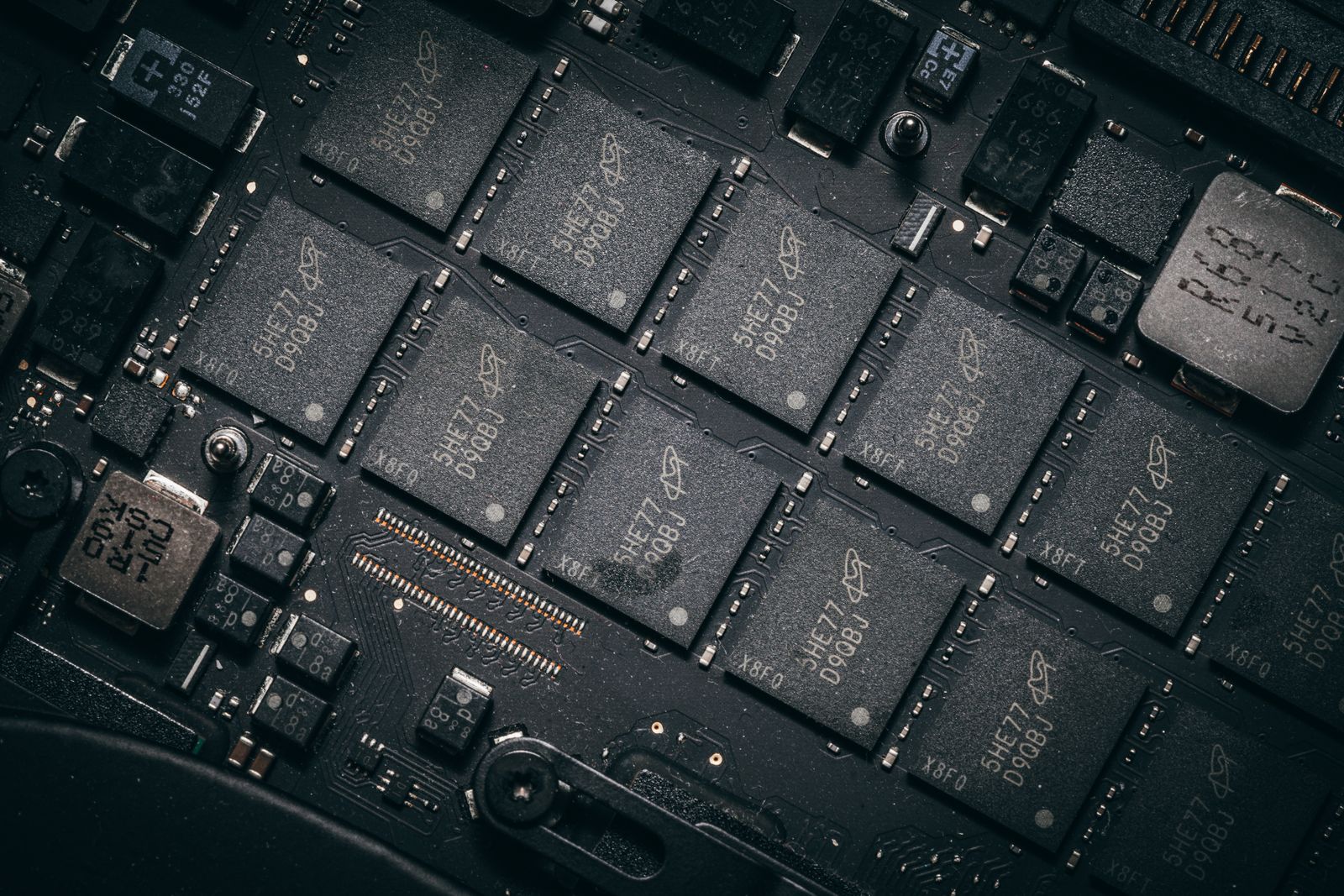
The incident is a supply-chain attack rather than a conventional remote software exploit. It demonstrates that self-custody security depends not only on seed phrases and firmware, but also on where a device is purchased and whether its physical integrity can be trusted.
Users should buy hardware wallets directly from the manufacturer or a verified channel, inspect packaging carefully and never use a device that arrives with a pre-generated recovery phrase.
XRP Ledger developers have disclosed a payment-engine overflow bug that could have allowed an attacker to mint and spend new XRP beyond the network's fixed supply. The vulnerability was patched in xrpld version 3.4.1 before any known exploitation occurred.

More than 80% of validators on the default trusted list upgraded on the release date, and the associated amendment became active on October 9. The decision has generated governance debate, but the disclosure shows why severe protocol vulnerabilities sometimes require coordination before full technical details become public.
Standard Chartered has launched institutional custody for Ripple USD, or RLUSD, through its Dubai International Financial Centre branch. The service is regulated by the Dubai Financial Services Authority and supports RLUSD issued on the XRP Ledger.
This development is important because stablecoin adoption is moving beyond retail transfers. Large banks increasingly view regulated digital dollars as collateral, settlement assets and infrastructure for round-the-clock markets.
Jeonbuk Bank has introduced what EDaily reports is South Korea's first won-denominated traditional bank loan linked to Bitcoin collateral. The initial service is limited to corporate customers seeking working capital.

The launch is another sign that Bitcoin is becoming usable inside conventional credit markets. If the model proves reliable, other banks could explore crypto-backed lending without placing digital assets directly on their own balance sheets.
The first signal is Bitcoin's US$82,000 to US$82,500 support zone. Holding that range could produce another test of US$84,000, while a clean breakdown would increase the risk of a move toward US$80,000.
The second signal is Wednesday's U.S. inflation report. Treasury yields and the dollar are currently controlling much of the market's short-term direction.
The third signal is ETF flow. Bitcoin will need institutional outflows to slow before any recovery can become more durable.
The fourth signal is altcoin liquidity. Rapid gains in thin markets can disappear quickly, so volume and order-book depth matter more than headline percentage moves.
The fifth signal is hardware-wallet security. Ledger's investigation may reveal whether the CryptoBilis incident was isolated or part of a broader supply-chain compromise.
Crypto markets remain cautious today, with Bitcoin below US$83,000, spot ETFs recording US$681 million in weekly outflows and investors waiting for U.S. inflation data. Smaller altcoins are rebounding, but limited liquidity makes those gains fragile.
Security is the most urgent industry story. Ledger's confirmation of a physical implant shows that hardware-wallet users must evaluate the entire supply chain, while the XRP Ledger disclosure demonstrates the importance of rapid coordination when protocol-level vulnerabilities are discovered.
The institutional picture is more constructive. Standard Chartered's RLUSD custody service and Jeonbuk Bank's Bitcoin-backed loan show that regulated financial institutions are finding practical ways to use stablecoins and digital assets.
For investors, the near-term market still requires caution. For the industry, today's developments show two trends advancing at the same time: stronger integration with traditional finance and a growing need for better security across both hardware and software.
This article is for informational purposes only and should not be considered financial advice.
Sources: CoinDesk Markets, CoinDesk: Altcoins rally as Bitcoin holds below US$83,500, CoinDesk: Ledger confirms unauthorized implant, XRP Ledger vulnerability disclosure, Standard Chartered, EDaily: Jeonbuk Bank Bitcoin-linked loan.