Updated: June 12, 2026 | PickNexo
The biggest story remains liquidity. SpaceX's record-setting IPO has attracted more than $250 billion in demand for a $75 billion raise, creating what some analysts call a "pre-mega-IPO liquidity squeeze." In other words, investors may be selling crypto and tech positions to free up cash for one of the largest offerings ever.
At the same time, crypto infrastructure continues to mature. Tokenization news is accelerating, exchanges are offering SpaceX pre-IPO perpetual futures, Coinbase is building tools for AI agents to make payments, and regulators in Europe, the U.S. and South Korea are increasing focus on crypto compliance.
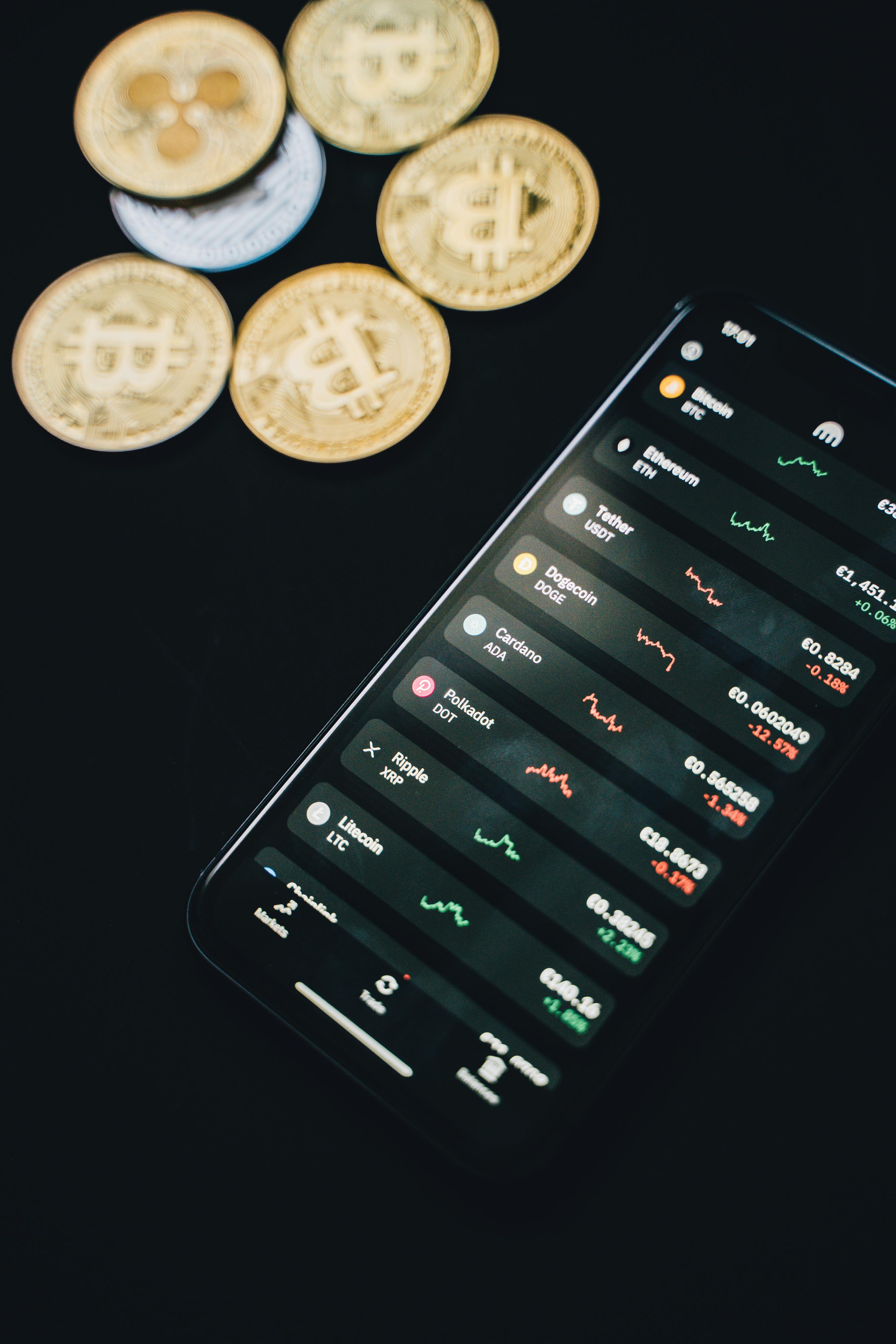
Bitcoin has rebounded into the $63,000 range after trading near the lower $60,000 area earlier this week. Ethereum and Solana are also slightly higher, suggesting that risk appetite has improved compared with the worst point of the selloff.
However, the recovery is still early. The $60,000 to $62,000 area remains the most important support zone for Bitcoin. If BTC holds above that range, traders may look for a move toward $65,000. If it breaks below $60,000 again, the market could quickly return to defensive mode.

For now, Bitcoin's rebound should be viewed as stabilization rather than a confirmed trend reversal.
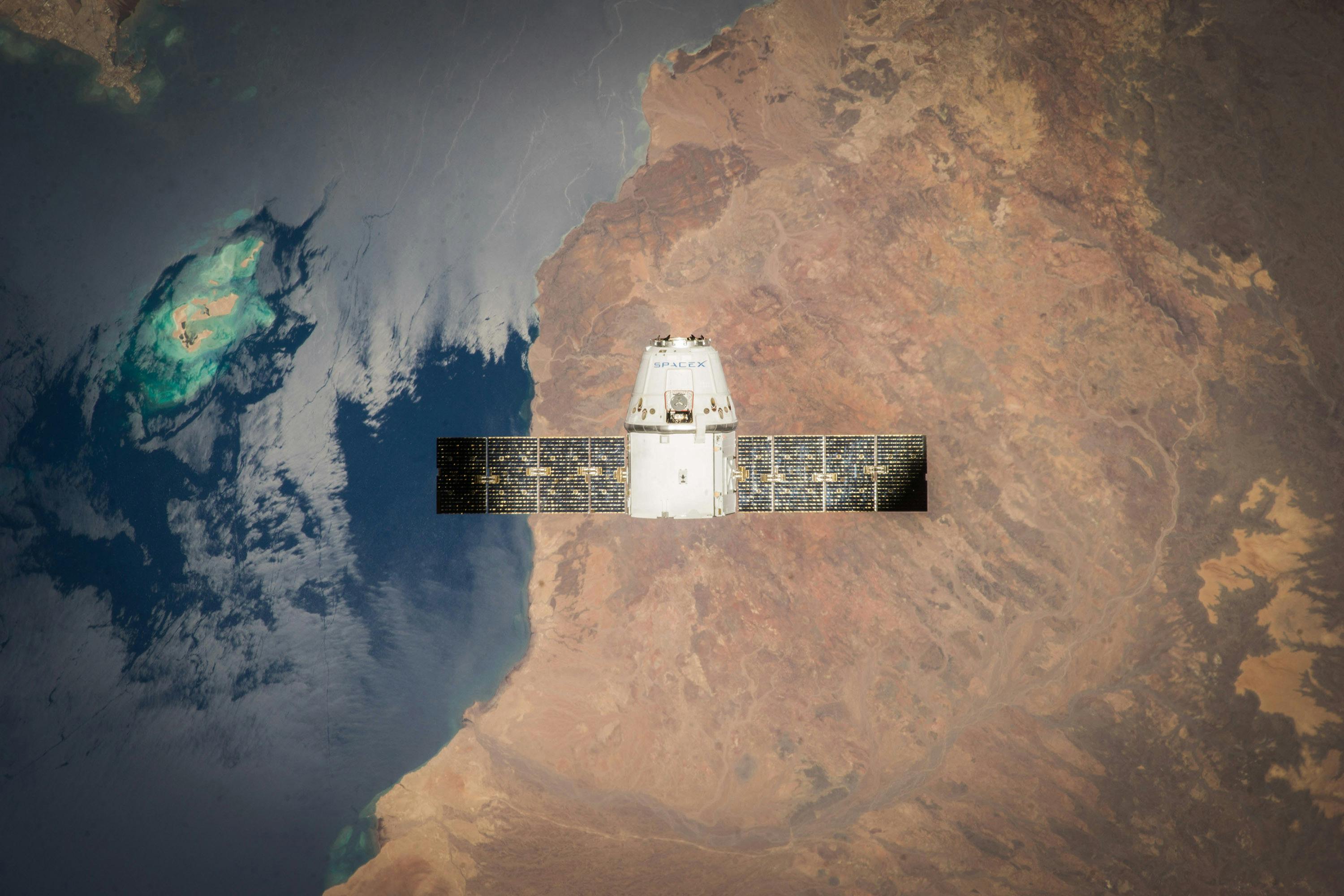
SpaceX's IPO is one of the largest market events of the year. Cointelegraph reported that the offering is nearly four times oversubscribed, with more than $250 billion in investor demand for a $75 billion raise. The company is reportedly valued around $1.8 trillion.
CoinDesk also reported that SpaceX priced shares at $135, making it the largest IPO in history.
Analysts have described this as an "IPO tax" on correlated risk assets. Crypto is especially vulnerable because it is highly sentiment-driven and often trades like a high-beta technology asset.
If the liquidity squeeze fades after SpaceX begins trading, crypto could stabilize. But if investors continue rotating toward AI, private-market tech and IPO opportunities, Bitcoin may struggle to regain momentum.
The SpaceX IPO is also becoming a new trading product inside crypto. Binance, Coinbase, Kraken and Bybit have launched or opened access to SpaceX pre-IPO perpetual futures.
Cointelegraph reported that Binance's pre-IPO perps generated about $2.1 billion in cumulative volume within 18 days. Hyperliquid saw around $70 million in 24-hour volume, with open interest above $115 million.

The opportunity is clear: users want access to high-demand private-market names. But the risk is also high. Pre-IPO perpetual futures are not the same as owning actual shares. Pricing can be volatile, liquidity can shift quickly, and traders may be exposed to synthetic market assumptions.
Bitcoin ETF outflows remain a major topic, but CoinDesk noted that recent withdrawals may not be purely bearish. Some outflows could be linked to arbitrage or carry-trade unwinds rather than institutions abandoning Bitcoin.
This is an important distinction. When ETF outflows are caused by investors exiting Bitcoin exposure, that usually signals weakening demand. But when flows are driven by arbitrage strategy changes, the impact may be more technical and less directional.

For Bitcoin to build a stronger recovery, the market likely needs ETF flows to stabilize or return to net inflows.
Regulatory pressure is rising in Europe. The European Union has proposed banning transactions on 11 crypto platforms as part of its 21st sanctions package against Russia.
The EU has not publicly named the platforms, but officials said the targets are networks accused of helping Russia evade restrictions.

This highlights a growing challenge for crypto. Regulators want stronger enforcement, but broad exchange-level sanctions can also create problems for legitimate users if risk scoring is too blunt.
The industry will need better compliance tools that can identify illicit activity without freezing entire ecosystems unnecessarily.
Crypto security is also in focus. Chainalysis has signed a memorandum of understanding with the Korean National Police Agency to strengthen crypto crime investigations.
The partnership will provide training, certification programs and tools for tracing illicit fund flows. North Korea-linked attacks are a key concern, but Chainalysis said the goal is broader: building institutional investigative capacity.
As more capital moves on-chain, law enforcement and blockchain analytics will become more important parts of market infrastructure.
U.S. crypto policy remains active. Hyperliquid and Paradigm are pushing FinCEN to revise anti-money-laundering language in the GENIUS Act, arguing that overly broad requirements could harm DeFi and non-custodial protocols.
At the same time, Solana Institute CEO Kristin Smith has urged the Senate to preserve open-source developer protections in the CLARITY Act. The concern is that builders who do not custody assets could still be treated as financial intermediaries.

Clear rules could support institutional adoption, but overly broad rules could damage the non-custodial side of the industry.
Tokenization continues to be one of the strongest long-term narratives in crypto. Cointelegraph reported that Galaxy believes the SEC's plan to scrap Rule 611 could benefit tokenized U.S. stocks by reducing structural market friction.
Citi is also reportedly launching a blockchain marketplace for private company shares. This connects directly with the SpaceX IPO story, because private-market access is becoming one of the biggest themes in finance.

Together, these developments show that blockchain is moving deeper into capital markets, payments and private securities infrastructure. Even while Bitcoin struggles with liquidity and ETF flows, tokenization continues to advance.
Another important development is Coinbase launching a tool that allows AI agents to make payments and trade crypto.
This connects two major themes: artificial intelligence and blockchain payments. AI is currently pulling capital away from crypto in public markets, but it may also create new use cases for crypto rails.

This is still early, but it is one of the more important long-term intersections between AI and crypto.
The first signal is Bitcoin's $60,000 to $62,000 support zone. If BTC holds that area, the market may continue stabilizing. If it breaks lower, selling pressure could return quickly.
The second signal is the SpaceX IPO. If liquidity pressure eases after the listing, crypto could recover some momentum.
The third signal is ETF flow. Stabilizing ETF demand would support Bitcoin's recovery.
The fourth signal is regulation. EU sanctions, GENIUS Act AML language and CLARITY Act developer protections could all affect sentiment.
The fifth signal is tokenization. Citi's private-share marketplace, SEC market structure changes and Coinbase's USDC payout infrastructure suggest that blockchain capital markets are gaining momentum.
Crypto markets are showing signs of recovery, but the rebound remains fragile. Bitcoin is back near $63,000, Ethereum is around $1,660 and Solana is near $66, but the market is still dealing with liquidity pressure from the SpaceX IPO and uncertainty around ETF flows.
The short-term picture is mixed. Bitcoin has stabilized, but investors are still cautious. Regulation is tightening in Europe, and U.S. policy debates around DeFi, stablecoins and open-source developers remain unresolved.
The long-term picture is more constructive. SpaceX pre-IPO perps, tokenized stocks, Citi's private-share marketplace, MassPay's USDC payouts and Coinbase's AI agent payment tool all show that crypto infrastructure is expanding beyond simple token speculation.
For investors, the market still requires caution. But for the industry, the message is clear: crypto is becoming more connected to capital markets, payments, AI and global compliance systems.
This article is for informational purposes only and should not be considered financial advice.
Sources: Cointelegraph, CoinDesk, Decrypt.