Updated: June 8, 2026 | PickNexo
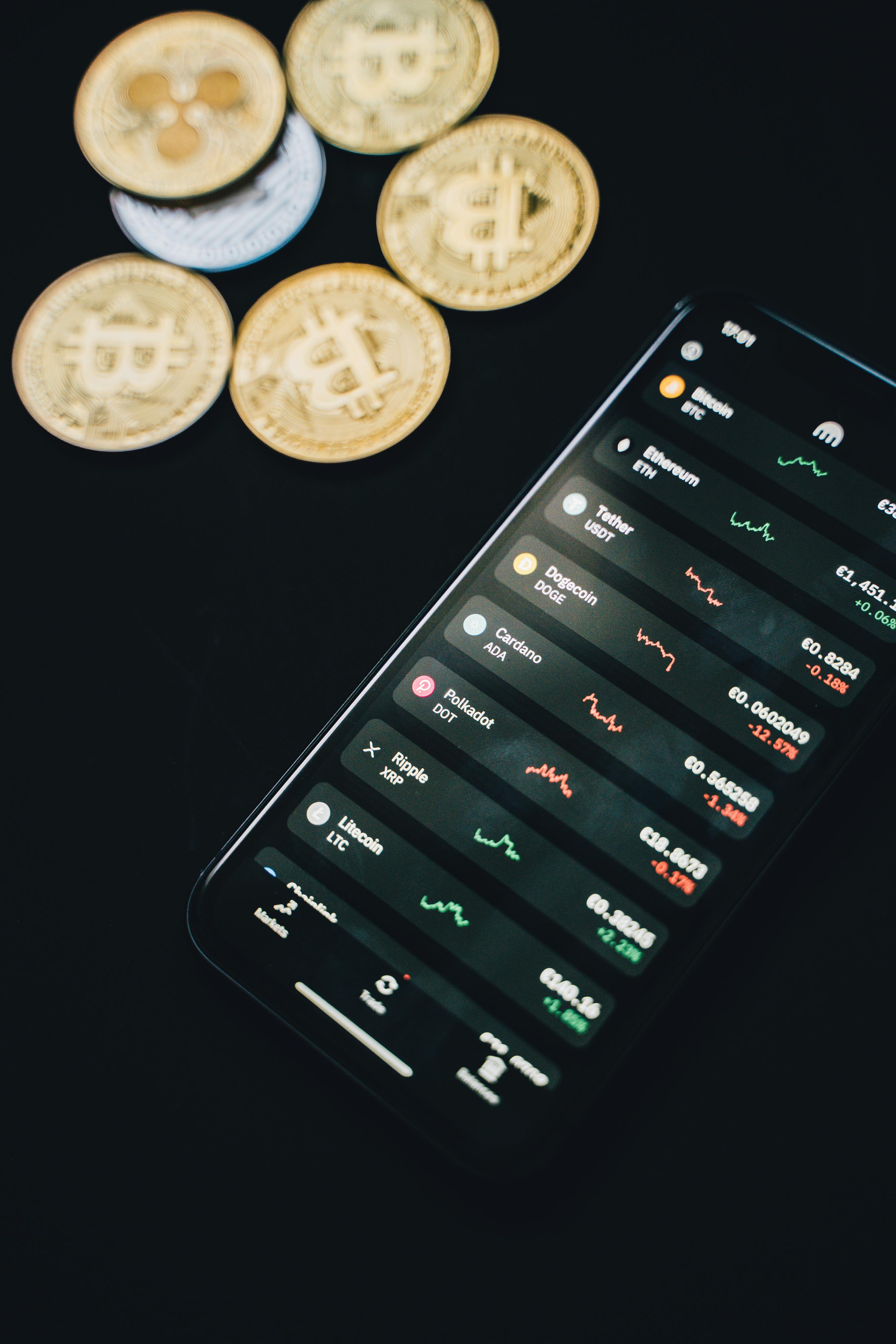
The rebound does not mean the pressure is over. CoinDesk reported that Bitcoin and Ether recorded their worst weekly losses since the FTX collapse in November 2022, with Bitcoin down about 17.3% and Ether down about 22% for the week. The broader crypto market lost roughly $390 billion in value, while nearly $7 billion in leveraged positions were liquidated.
Investors are now watching ETF flows, inflation data, Federal Reserve expectations and geopolitical risk. At the same time, tokenization, regulation and prediction markets continue to develop in the background, showing that the long-term crypto story is still moving forward despite the price shock.
Bitcoin is trading around the $63,000 area after briefly dropping below $60,000 during last week's selloff. According to KuCoin's June 8 market report, BTC was around $63,329, up nearly 4%, while ETH was around $1,690, up about 7.7%.
This rebound is important because $60,000 has become the key psychological support level for Bitcoin. If BTC can remain above that zone, traders may begin looking for a short-term recovery. But if Bitcoin loses $60,000 again, the market could face another wave of selling.

For Bitcoin to regain momentum, it likely needs to reclaim the $65,000 to $70,000 range and show that ETF outflows are slowing.
CoinDesk reported that Bitcoin and Ethereum are on track for their worst weekly losses since the FTX collapse. Bitcoin fell about 17.3% during the week, while Ether dropped roughly 22%.
The damage was broad. The crypto market lost around $390 billion in total value, and nearly $7 billion in leveraged positions were liquidated. These numbers show how quickly a leveraged market can unwind when support levels break.
The selloff was not only about crypto-specific weakness. Investors also reacted to stronger-than-expected U.S. jobs data, rising expectations of tighter Federal Reserve policy, weakness in technology stocks and geopolitical tension in the Middle East.
When all of those forces hit at the same time, crypto became one of the first markets to see forced selling.
Several major headwinds are still weighing on Bitcoin. CoinDesk and CryptoTimes both highlighted heavy ETF outflows, Strategy's Bitcoin sale, capital rotation into AI infrastructure and renewed Federal Reserve tightening fears.
CryptoTimes reported that U.S. spot Bitcoin ETFs saw around $2.43 billion in outflows in May, the largest monthly outflow of 2026. That matters because ETF inflows were one of the main reasons Bitcoin performed strongly earlier in the cycle.

Another pressure point is AI. Capital continues to move toward AI infrastructure and AI-related stocks, reducing investor appetite for crypto risk. As long as AI remains the dominant growth story in traditional markets, Bitcoin may struggle to attract momentum-driven capital.
Zcash remains one of the most important altcoin stories today. The token previously crashed after Shielded Labs revealed a serious "infinite counterfeit" vulnerability in the Orchard shielded pool. The bug raised major concerns about privacy coin security and protocol transparency.
However, ZEC has since rebounded sharply. KuCoin reported that Zcash moved back above $400 as investors reacted to expectations around the Ironwood upgrade and the introduction of new privacy pools.

For investors, the lesson is simple: security risk is not limited to DeFi hacks. Protocol-level vulnerabilities can also become major market events.
While prices remain volatile, the regulatory and tokenization story continues to develop. CryptoTimes noted that the SEC has made digital assets a standalone priority in its strategic plan through 2030.
This is a meaningful signal. A formal roadmap does not remove uncertainty overnight, but it shows that digital assets are becoming a permanent part of U.S. market regulation.
KuCoin also reported that the SEC declared effective the S-4 registration statement for the merger between RWA tokenization platform Securitize and CEPT, a SPAC affiliated with Cantor Fitzgerald. The combined entity plans to list on the NYSE.

The bigger picture is that tokenization continues to move forward even when Bitcoin is under pressure. This suggests that blockchain-based financial infrastructure is becoming a long-term theme rather than a short-term market narrative.
Stablecoin and crypto policy risks are also growing. KuCoin reported that HTX delisted USD1, a Trump-linked stablecoin associated with WLFI, escalating tensions between Justin Sun and WLFI.
Russia is also reportedly planning to restrict crypto trading for non-qualified investors to BTC, ETH and USDT, with an annual cap around $4,100. Meanwhile, Illinois approved a 0.2% privilege tax on crypto transactions beginning in 2027.

For the market, this creates both opportunity and uncertainty. Clear rules can help institutions participate, but aggressive restrictions can reduce liquidity and push activity offshore.
Prediction markets are becoming one of the more active sectors in crypto. KuCoin reported that the sector is gaining attention ahead of the FIFA World Cup, with firms such as DRW, Wintermute and IMC reportedly building teams to trade on Polymarket and Kalshi.
Hyperliquid is also reportedly planning to launch its own prediction market product, while NewGenIVF increased its strategic investment in AI-native prediction market platform K25.ai by another $4 million.

If liquidity continues to grow, prediction markets may become one of the most important bridges between crypto trading, data and real-world events.
The first key signal is Bitcoin's $60,000 support zone. If BTC stays above that level, the market may attempt to rebuild. If it breaks lower, another liquidation wave could follow.
The second signal is U.S. inflation data. CPI is expected on June 10, followed by PPI on June 11. These reports could shape expectations for Federal Reserve policy.
The third signal is ETF flow. If Bitcoin ETF outflows continue, BTC may struggle to recover even after the recent bounce.
The fourth signal is geopolitical risk. U.S.-Iran tensions remain unresolved, and any escalation could hurt risk assets.
The fifth signal is tokenization. The Securitize-Cantor merger and SEC roadmap suggest that regulated blockchain finance remains a major long-term theme.
Crypto markets are trying to recover after a brutal week. Bitcoin has bounced back toward $63,000, but sentiment remains extremely fragile after the market lost roughly $390 billion in value and nearly $7 billion in leveraged positions were liquidated.
The short-term picture is still risky. ETF outflows, AI capital rotation, Strategy's Bitcoin sale, Fed tightening fears and geopolitical uncertainty continue to weigh on sentiment.
But the long-term story is more balanced. SEC policy planning, tokenization deals, stablecoin regulation and prediction market growth show that the industry is still developing even during market stress.
For investors, this is a week to watch Bitcoin's $60,000 support level, ETF flows, CPI data and regulatory developments closely. The market may be stabilizing, but volatility remains high.
This article is for informational purposes only and should not be considered financial advice.
Sources: CoinDesk, KuCoin Market Report, CryptoTimes.