Updated: September 3, 2026 | PickNexo
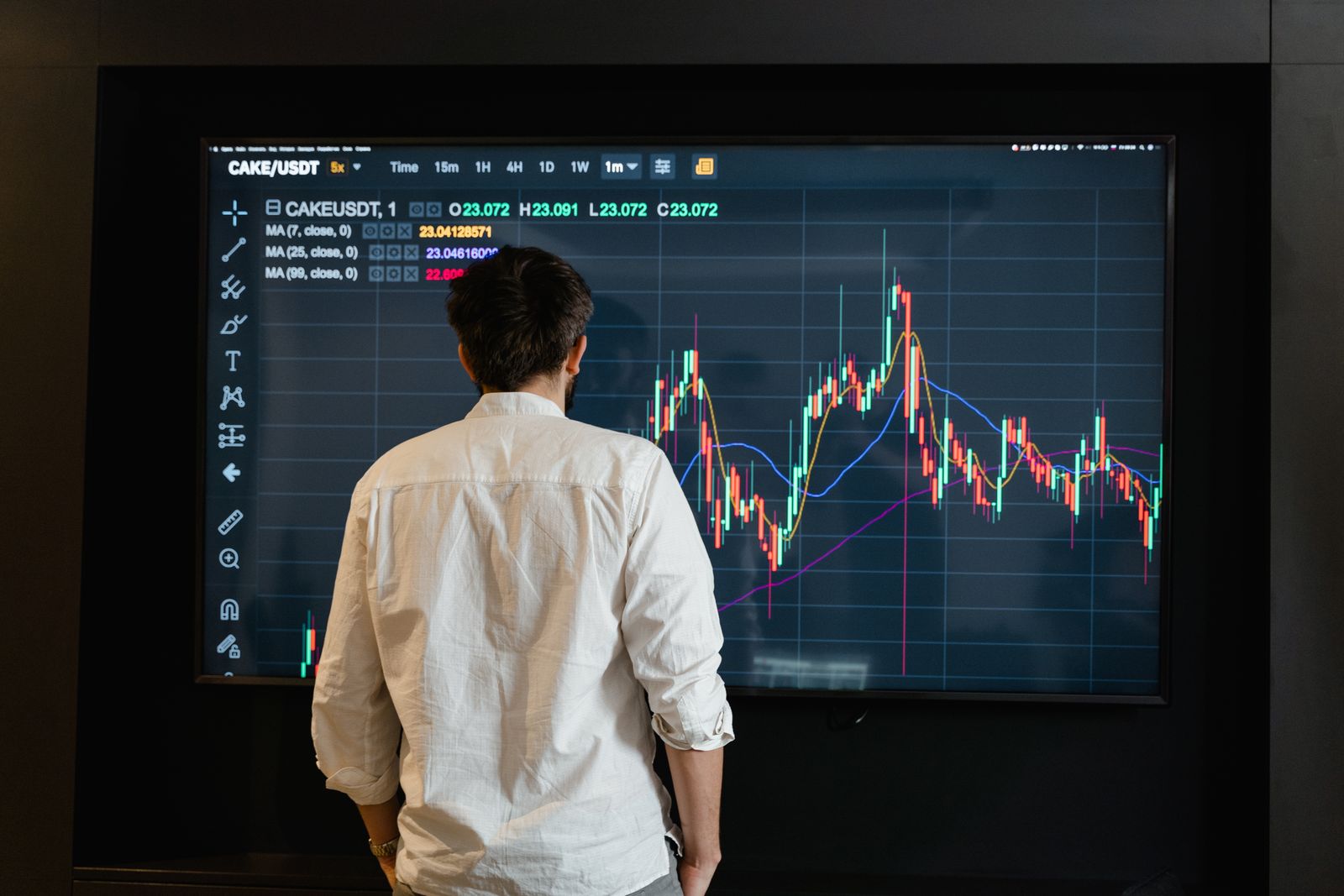
The biggest short-term catalyst is Friday's U.S. jobs report. CoinDesk reported that Bitcoin recovered after buyers defended the US$76,350 average cost basis of active investors, while Fed hike odds slipped toward 62%. A weak jobs report could lower rate-hike pressure and bring US$80,000 back into reach.
At the same time, ETF flows are rotating. Cointelegraph reported that Bitcoin ETFs rebounded with US$101.2 million in inflows after a prior US$236.5 million outflow, while Ether ETFs posted US$48 million in outflows after a 12-session inflow streak worth US$1.62 billion.
Bitcoin traded above US$77,600 in Asian hours, rising about 1.5% over 24 hours, according to CoinDesk. The move followed a dip toward US$76,400, where buyers stepped in near the average cost basis of active investors.

The upside level remains US$80,000. Bitcoin has struggled to hold that zone since the late-August rally, and a clean reclaim would likely improve confidence across the broader market.
For now, Bitcoin is stronger on the day but still weaker on the week. That makes Friday's jobs report especially important for deciding whether this rebound has follow-through.
The next major market test is the U.S. nonfarm payrolls report. CoinDesk noted that a weaker jobs number could reduce expectations for a September Fed hike and put US$80,000 back within Bitcoin's reach.

FedWatch pricing cited by CoinDesk showed the odds of a quarter-point hike on September 16 near 62%, down from the previous day but still much higher than last week.
The market is now waiting for confirmation. A soft labor report could support crypto. A strong report could push hike odds higher again and pressure Bitcoin below its current support zone.
Bitcoin ETFs are back in focus. Cointelegraph reported that U.S. spot Bitcoin ETFs drew US$101.2 million on Wednesday after recording US$236.5 million in net outflows the day before.

Still, the flow picture is not as strong as it was during the late-August surge. Traders are now watching whether Bitcoin funds can return to consistent inflows or whether institutions are taking a more selective approach after the rally toward US$80,000.
For Bitcoin, ETF demand remains one of the cleanest signals. If flows improve into the jobs report, the market may have a better chance of retesting resistance.
The ETF rotation was more difficult for Ethereum and XRP. Cointelegraph reported that spot Ether ETFs posted US$48 million in net outflows, ending a 12-session inflow streak that had attracted US$1.62 billion.

This does not mean demand for ETH and XRP has disappeared. It may simply show that investors are rotating after a strong run, taking profits in altcoin products while returning some capital to Bitcoin.
The next few sessions will matter. If Ether and XRP ETFs quickly return to inflows, the broader market can stay healthy. If outflows persist, Bitcoin may lead alone while altcoin momentum fades.
XRP was the strongest major token today, rising around 3% to about US$1.36 to US$1.37, according to CoinDesk. Solana also recovered to around US$100, while BNB moved close to US$692.

This kind of rotation is normal after a strong multi-asset rally. Capital often moves between Bitcoin, Ethereum, XRP, Solana and smaller high-beta assets depending on ETF flows, leverage and headline risk.
For market breadth, the key question is whether Solana can hold US$100 and Ethereum can reclaim stronger momentum. If ETH continues lagging, the rally may stay narrower than bulls would like.
CoinDesk's live updates reported that WTI crude rose another 2% to around US$93 a barrel, while Brent climbed near US$97 as renewed Middle East tensions pushed energy prices higher.

So far, Bitcoin and gold have shrugged off part of the oil move. CoinDesk noted that Bitcoin held above US$77,000 while gold stayed above US$4,400 an ounce.
The risk is that oil-driven inflation pressure could return if the conflict escalates. That would make the September Fed meeting even more important.
CoinDesk also highlighted an important currency-market shift: global investors are carrying their lowest hedges on U.S. asset exposure since at least 2015. That means many funds are less protected against dollar moves.
The Japanese yen is especially important. CoinDesk noted that traders are watching whether the yen strengthens from the 160 area, because crypto has been tracking dollar moves closely this week.
This adds another layer to Bitcoin's macro story. BTC is trading not only on ETF flows and Fed odds, but also on currency hedging, oil, bond yields and global capital flows.
Regulation remains active globally. Cointelegraph's most-read list today highlighted Thailand adopting crypto Travel Rule requirements with checks for self-custodial wallets.

The challenge is balancing compliance with user privacy. Self-custody is one of crypto's core features, but regulators want better tools to prevent illicit finance.
For users and platforms, the message is clear: crypto access is becoming more regulated, especially where exchanges interact with personal wallets.
CoinDesk's weekly sitemap highlighted that the SEC has proposed a transfer-agent rule and is preparing an event to study round-the-clock U.S. trading. This connects directly with tokenization and blockchain settlement.

The proposal does not mean the U.S. market is moving fully onchain tomorrow. But it shows that regulators are thinking more seriously about modernizing financial plumbing.
For crypto, this is constructive. Tokenization becomes more credible when regulators and market infrastructure providers begin studying how blockchain-style systems could fit into regulated finance.
Tokenized real-world assets remain one of the strongest long-term crypto themes. Cointelegraph's latest homepage highlighted that Stellar's tokenized RWA market has more than quadrupled to nearly US$4 billion.

Stellar has long focused on payments and asset issuance, so growth in its RWA market fits the network's broader identity.
The key challenge is quality. Tokenized assets need regulated issuers, reliable custody, clear redemption rights and transparent disclosures before they can scale responsibly.
Security is still a major issue. Cointelegraph's recent feed highlighted Polygon security flaws fixed in recent hard forks, while CoinDesk noted a wave of unsolicited password reset emails targeting Musk's X.

As more capital moves into ETFs, stablecoins and tokenized assets, security standards must improve across both onchain and offchain systems.
For retail users, the lesson remains simple: use strong authentication, protect seed phrases and be cautious with emails, links and wallet approvals.
The first signal is Bitcoin's US$76,350 support area. CoinDesk highlighted this level as the average cost basis of active investors, and buyers defended it this week.
The second signal is US$80,000. A clean move above that level would likely restore bullish momentum.
The third signal is Friday's jobs report. A weak reading could reduce rate-hike pressure, while a strong report may push yields and the dollar higher.
The fourth signal is ETF flow. Bitcoin ETFs rebounded, but Ether and XRP ETF streaks ended, so investors need to watch whether the rotation continues.
The fifth signal is oil and currency markets. Higher crude prices, yen strength and dollar hedging can all influence Bitcoin's macro setup.
Crypto markets are firmer today, with Bitcoin back above US$77,500 and XRP leading major tokens. The rebound is encouraging, but the market is still waiting for Friday's jobs report and clearer ETF follow-through.
The short-term picture is mixed. Bitcoin has defended support and ETF flows have improved, but Ether and XRP funds just ended long inflow streaks, and higher oil prices keep inflation risk alive.
The long-term picture remains constructive. Tokenized RWAs are growing, regulators are studying more modern market infrastructure, and crypto is becoming more connected to global macro flows.
For investors, this is a market that requires patience. For the industry, the message is clear: crypto's next move will depend on ETF demand, Fed expectations, oil prices, dollar hedging, regulation, security and tokenized finance.
This article is for informational purposes only and should not be considered financial advice.
Sources: CoinDesk Daybook, CoinDesk Bitcoin Market Update, CoinDesk Live Updates, Cointelegraph ETF Flows, Cointelegraph, MarketWatch, Investors.com.