Updated: June 16, 2026 | PickNexo
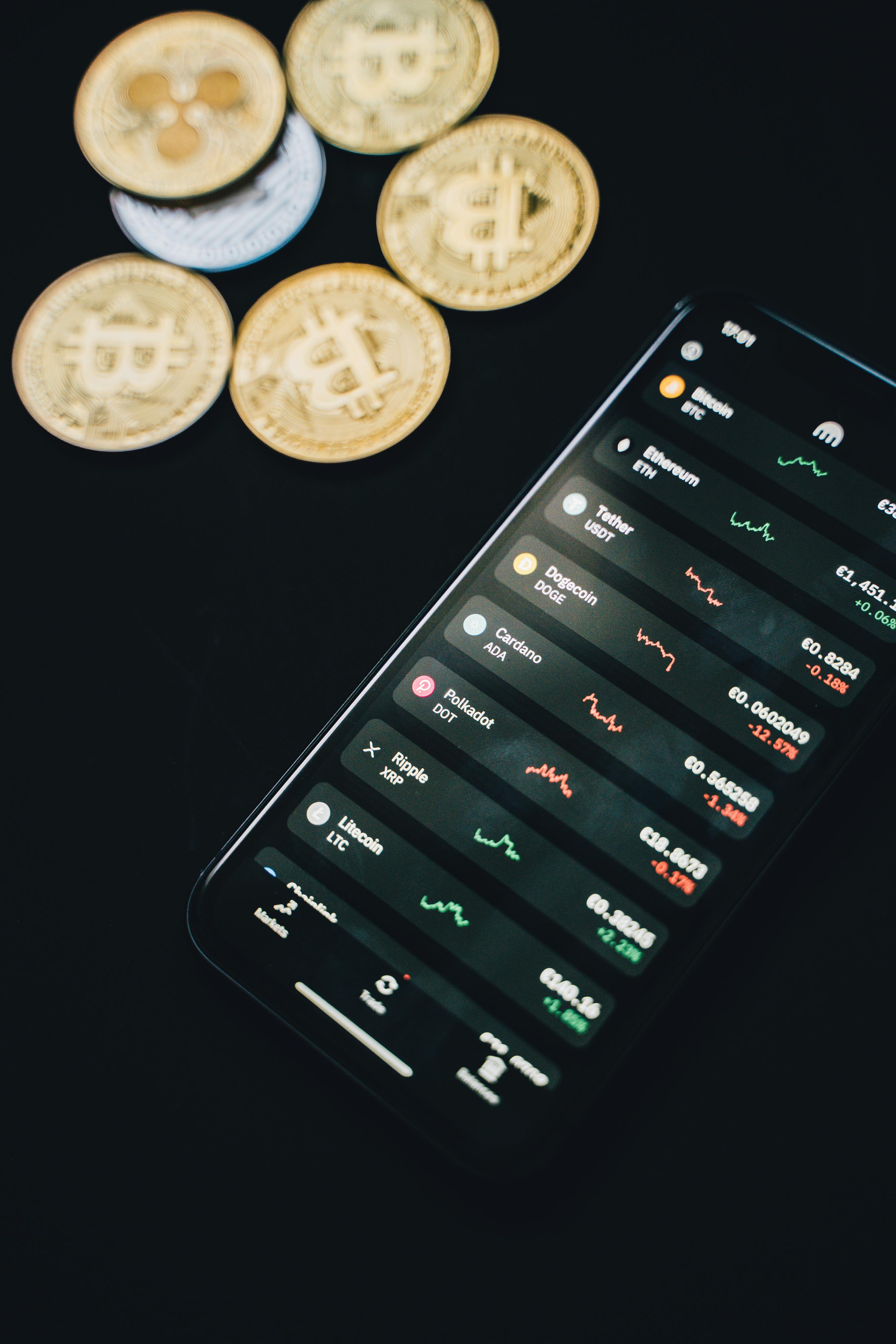
Ether also rallied sharply, gaining more than 10% during Monday's session, while Bitcoin recorded its strongest daily move since early March. The market is now debating whether this rebound marks a real bottom or only a short-term relief rally after weeks of heavy selling.
The answer may depend on several signals: whether institutional demand returns, whether ETF flows improve, whether Strategy resumes Bitcoin accumulation and whether oil prices keep falling as geopolitical risk eases.
Bitcoin jumped after the U.S. and Iran announced an interim peace deal that is expected to include the reopening of the Strait of Hormuz and a 60-day negotiation period over Iran's nuclear program.
According to Barron's, Bitcoin rose 2.8% to $65,775 after reaching a 12-day high of $65,940 during Asian trading. WSJ also reported that Bitcoin briefly moved close to $67,000, its highest level in nearly two weeks.

Crypto benefited from that shift. Bitcoin, Ethereum and crypto stocks all moved higher as traders unwound defensive positions.
The rally was not limited to Bitcoin. MarketWatch reported that Ether rose about 10.4% to $1,843.67, putting it on track for its best daily percentage gain since February 25.
Bitcoin also rose about 5.3% to around $67,151.93, its strongest daily gain since March 4.

However, the recovery still needs context. Bitcoin remains roughly 46.7% below its October 2025 all-time intraday high near $126,272. Ether remains about 62.7% below its August 2025 record near $4,955.
So while the daily move was strong, the larger trend is still damaged.
Part of the rally appears to have been driven by a short squeeze. Investors.com reported that roughly $555 million in crypto positions were liquidated over 24 hours, mostly short positions.
A short squeeze happens when traders betting against the market are forced to close positions as prices rise. That buying pressure can push prices even higher in the short term.

For a more durable recovery, traders will want to see spot buying, ETF inflows and stronger institutional participation, not only forced short covering.
The biggest question today is whether Bitcoin has found a real bottom. Coinbase CEO Brian Armstrong reportedly suggested Bitcoin may have bottomed near $60,000, pointing to the asset's historical cycle behavior.
Other analysts are more cautious. Coin Bureau analyst Nic Puckrin warned that Bitcoin still faces macro uncertainty, Strategy-related pressure, technical weakness and long-term questions around quantum computing.

To prove the rebound is more than that, Bitcoin needs to hold key levels, attract real buying and avoid another wave of selling if the peace deal or macro conditions disappoint.
One reason analysts remain cautious is that institutional demand has not fully recovered. Economic Times reported that Bitcoin was trading near $65,600 but remained range-bound due to weakening institutional demand.
This matters because large investors and ETF flows were major drivers of Bitcoin's earlier rally. Without stronger institutional buying, Bitcoin may struggle to build a sustained move above the $65,000 to $67,000 zone.

For now, the market has price momentum, but confirmation from institutional capital is still missing.
Crypto-related stocks also benefited from the rebound. WSJ reported that trading platforms such as Coinbase and Robinhood rose alongside Bitcoin. Strategy, one of the largest corporate Bitcoin holders, also gained.
Investors.com also noted strength in crypto-linked names such as Circle, Gemini, Coinbase and HIVE.

But Strategy remains a special case. The company recently sold Bitcoin for the first time since 2022, which had previously weighed on market sentiment. Traders are now watching whether Strategy returns to buying or remains cautious.
Regulation remains another important factor. Investors.com reported that the Clarity Act may not pass by the July 4 timeline some market participants had hoped for. August is now being discussed as a more realistic window.
The Clarity Act is important because it could define how digital assets are regulated in the United States, including which tokens fall under securities rules, how exchanges operate and how DeFi may be treated.

This summer may still be a major period for U.S. crypto regulation, but the path is not yet clear.
Even with the rebound, crypto still faces competition from other investment themes. The AI trade remains powerful, and capital rotation into artificial intelligence stocks has been one reason crypto struggled earlier this month.
There are also longer-term technical concerns around quantum computing. These risks are not immediate, but they remain part of the broader conversation about Bitcoin's future security.

Bitcoin needs stronger catalysts to compete for capital again.
The first signal is whether Bitcoin can hold above $65,000. If BTC falls back below that level quickly, the rally may lose momentum.
The second signal is ETF flow. A return to Bitcoin ETF inflows would support the argument that institutional demand is recovering.
The third signal is oil prices. If the U.S.-Iran deal holds and oil continues to fall, macro pressure on risk assets may ease.
The fourth signal is Strategy. If the company resumes Bitcoin buying, market confidence could improve.
The fifth signal is regulation. The Clarity Act timeline remains important for U.S. crypto market structure.
Bitcoin's move back toward $67,000 is one of the strongest rebounds of June. The rally was supported by geopolitical relief after the U.S.-Iran deal, a drop in risk aversion and a sharp short squeeze.
Ether also posted a strong rebound, while crypto-related stocks gained alongside Bitcoin. But the market has not fully confirmed a new bullish trend.
The key risk is that this could still be a relief rally inside a damaged market. Institutional demand remains weak, ETF flows need to improve and the Clarity Act timeline is uncertain.
For now, Bitcoin has momentum again. The next test is whether it can hold above $65,000 and turn this rebound into a broader recovery.
This article is for informational purposes only and should not be considered financial advice.
Sources: WSJ, Barron's, MarketWatch, Investors.com, Economic Times.