Updated: June 15, 2026 | PickNexo

The rally comes after reports of a possible Iran peace deal and hopes that the Strait of Hormuz could reopen. That eased pressure on oil markets and improved risk appetite across global assets, including crypto.
At the same time, Standard Chartered now suggests Bitcoin may have already formed a bottom near $59,000. Michael Saylor has also posted another familiar signal that Strategy may be preparing to buy more Bitcoin, adding fuel to the recovery narrative.
Bitcoin's move back above $65,000 is an important shift after weeks of pressure. The market had recently been focused on whether BTC could defend the $59,000 to $60,000 zone. For now, buyers appear to have stepped in.
Cointelegraph showed Bitcoin trading around $65,700 to $65,900, up roughly 2% on the day. Ethereum gained more than 2%, while Solana rose more than 3%.

This matters because oil prices, inflation expectations and risk appetite are closely linked. If geopolitical pressure eases and oil prices fall, investors may become more comfortable returning to risk assets.
One of the most important stories today is Standard Chartered's view that Bitcoin may have already seen its cycle bottom. Analyst Geoff Kendrick reportedly pointed to the $59,000 level as a potential low for the current cycle.
That would represent a decline of roughly 53% from Bitcoin's $126,000 peak.
The bank is watching three signals to confirm the bottom: Strategy buying more Bitcoin, positive ETF flows and lower oil prices.
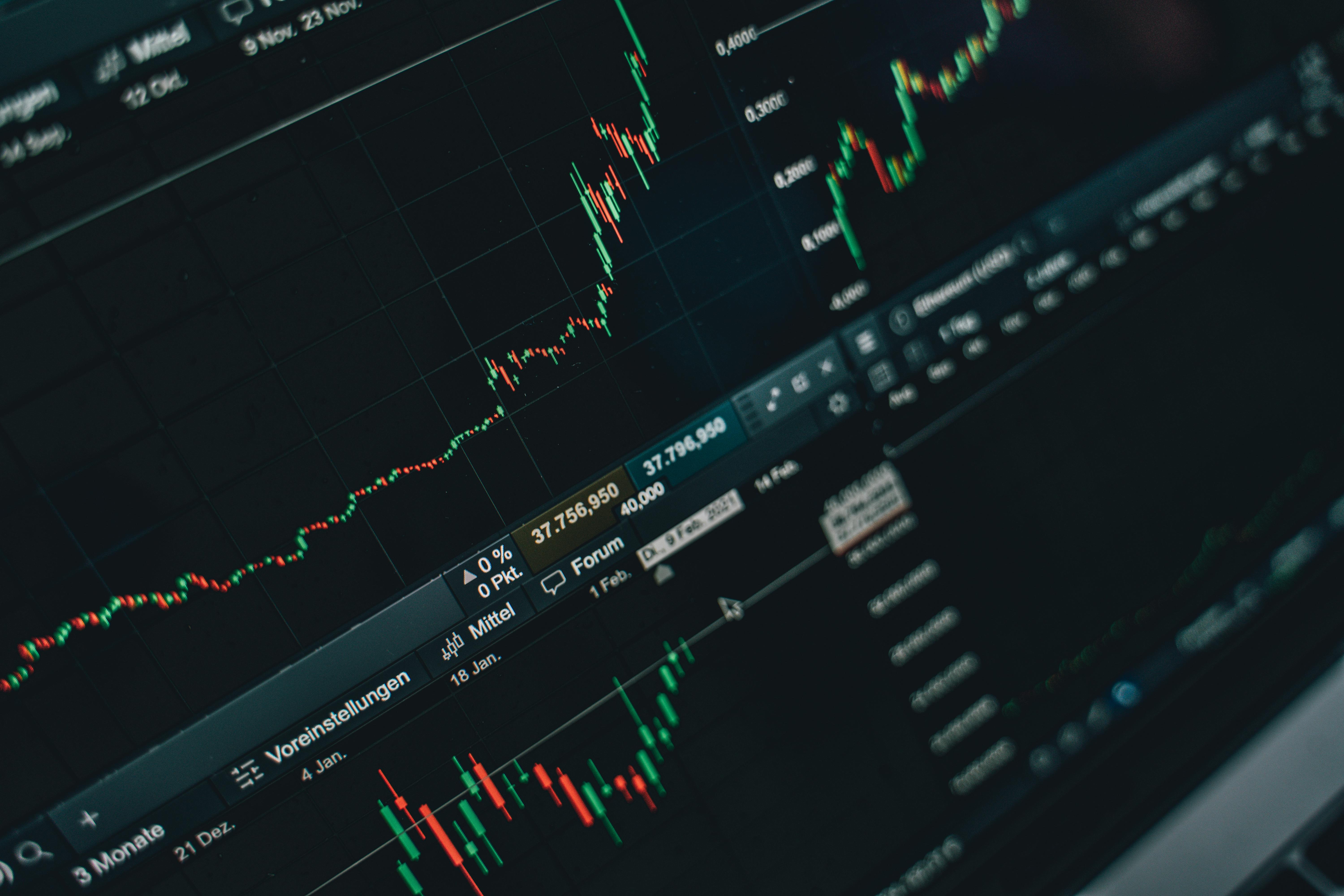
For now, the market has one potential signal: Michael Saylor appears to be hinting at another Strategy Bitcoin purchase.
Michael Saylor posted "Still adding dots" along with a familiar bubble chart, a type of post that traders often interpret as a signal before Strategy announces another Bitcoin purchase.
Strategy remains one of the most important corporate Bitcoin holders in the market. Any new purchase could improve sentiment, especially after the recent selloff tested the company's leveraged Bitcoin strategy.

That is why the market is paying close attention. If Strategy confirms another purchase and ETF flows turn positive, the bottom-call narrative could become stronger.
Another important Bitcoin-specific development is the sharp drop in mining difficulty. Cointelegraph reported that Bitcoin mining difficulty fell by 10%, making it one of the largest downward adjustments in the network's history.
Mining difficulty adjusts based on the amount of computing power securing the network. When difficulty drops, it becomes easier for miners to find blocks.

This does not automatically mean Bitcoin price will rise. But it may help stabilize miner economics at a time when the market has been under stress.
Security remains one of the biggest risks in crypto. Quantstamp said the $36 million Humanity Protocol hack may have links to North Korea-linked actors.
According to Cointelegraph, the attackers allegedly used phishing emails disguised as token lockup schedule updates from Bithumb. The malware reportedly infected an employee laptop and helped steal MetaMask credentials and private keys.

Cointelegraph also noted that North Korea-linked groups were tied to at least $578 million of the $634 million in crypto stolen in April. That makes DPRK-linked cyber activity one of the most serious security threats facing the industry.
There is also positive security news. Cointelegraph reported that Ethereum's Kohaku lead said Ethereum accounts could be made quantum-proof for around $0.07.
Quantum computing is still a long-term risk, but the discussion matters because blockchain networks depend on strong cryptography. Cheap quantum-resistant account upgrades could become important if quantum computing advances faster than expected.
This helps restore confidence after the privacy coin faced serious concerns about protocol-level security earlier this month.
Together, these updates show that crypto security is not only about reacting to hacks. It is also about proactive upgrades, audits and preparing for long-term threats.
Despite market volatility, venture capital is still flowing into parts of DeFi infrastructure. Morpho raised $175 million, showing continued investor interest in onchain credit and lending markets.
Onchain credit is becoming a major theme because stablecoins, tokenized assets and DeFi lending protocols are beginning to overlap.

Morpho's raise suggests that investors still see opportunity in this area, even while token prices remain volatile.
The SpaceX IPO story continues to affect crypto markets. Cointelegraph reported that major crypto exchanges canceled SpaceX IPO allocations and promised refunds after the IPO completed on Nasdaq.
This follows the recent surge in pre-IPO perpetual futures and private-market exposure products offered through crypto platforms.

As crypto exchanges expand into real-world assets and private-market derivatives, investors need to understand the difference between tokenized exposure, synthetic exposure and direct ownership.
Regulation is still a major background story. CoinDesk described this period as a "summer of crypto regs," with the CLARITY Act, stablecoin legislation, ethics issues and illicit finance concerns all moving through policy debates.
Poland also vetoed its MiCA implementation bill for the third time, showing that even within Europe, crypto regulation can face political delays.
At the same time, the SBF appeal decision is another reminder of the legal aftermath of the FTX collapse. A federal appeals court upheld Sam Bankman-Fried's 25-year sentence, keeping one of crypto's biggest legal cases in focus.
The first signal is whether Bitcoin can hold above $65,000. A move back below $62,000 would weaken the recovery.
The second signal is Strategy. If Saylor's post leads to a confirmed Bitcoin purchase, it could strengthen the bottom-call narrative.
The third signal is ETF flow. Standard Chartered specifically pointed to positive ETF flows as one of the confirmations needed for a stronger recovery.
The fourth signal is oil prices. If the Iran peace deal narrative holds and oil prices continue falling, macro pressure on crypto may ease.
The fifth signal is security. The Humanity Protocol hack shows that phishing, private key theft and North Korea-linked attacks remain serious risks.
Crypto markets are rebounding today as Bitcoin climbs toward $66,000 and traders react to improving geopolitical sentiment. Ethereum and Solana are also higher, suggesting that risk appetite is returning after a difficult start to June.
The recovery is being supported by several narratives: possible Iran peace progress, Standard Chartered's bottom call, Saylor's signal that Strategy may buy more BTC, and lower mining difficulty.
But risks remain. Cybersecurity threats are still severe, regulatory uncertainty continues, and pre-IPO crypto products have shown their limits after the SpaceX allocation cancellations.
For investors, the key question is whether this is the start of a sustainable recovery or just a relief bounce. Confirmation may require Strategy buying more Bitcoin, ETF flows turning positive and oil prices continuing to fall.
This article is for informational purposes only and should not be considered financial advice.
Sources: Cointelegraph, CoinDesk.