Updated: September 22, 2026 | PickNexo
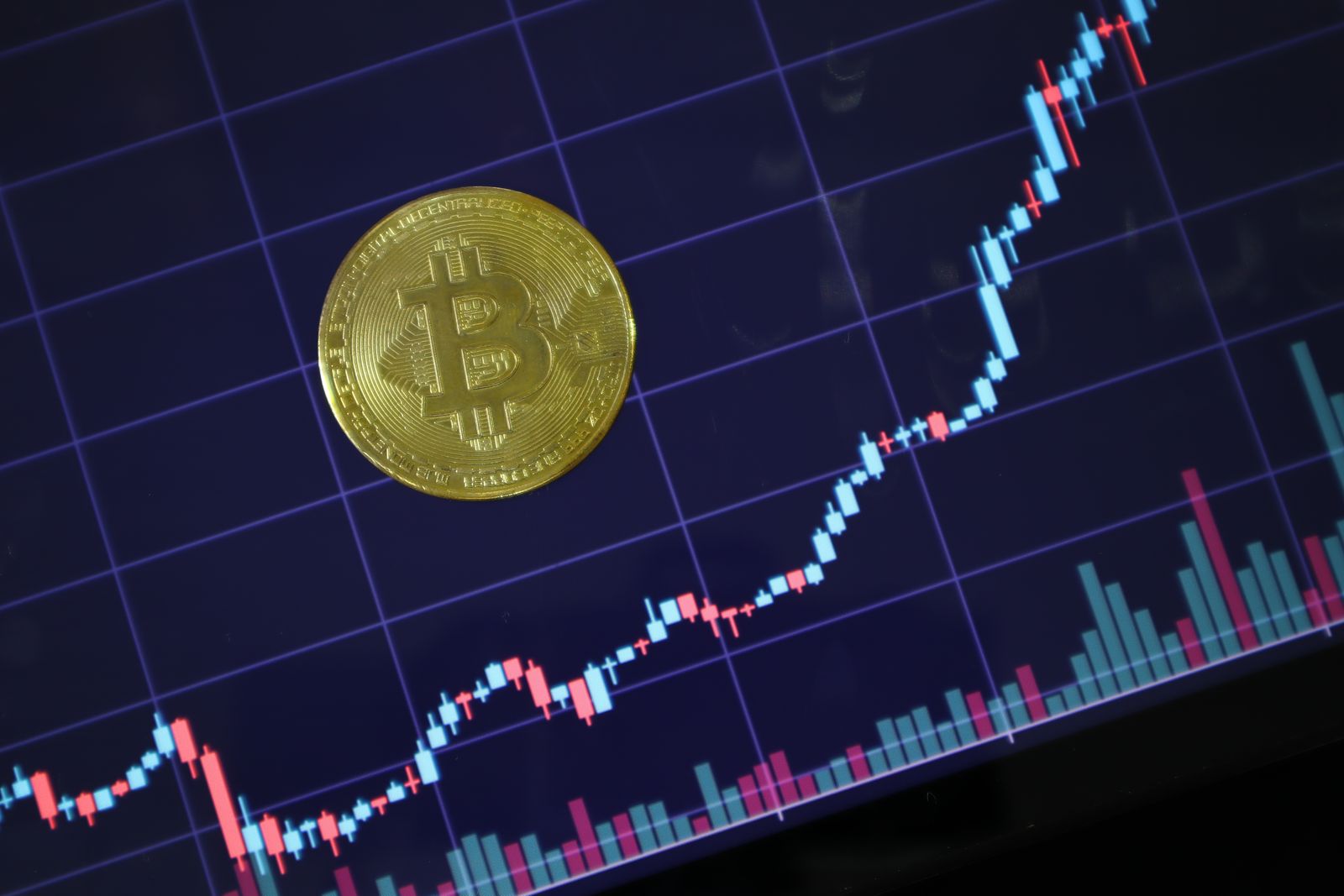
The recovery is being supported by nearly US$1 billion in daily inflows into U.S. spot Bitcoin ETFs. However, the rally also forced more than US$1 billion in leveraged positions to close, including approximately US$844 million in bearish bets. This means fresh demand will now need to replace the short squeeze if prices are to continue higher.
Beyond the market rally, the European Central Bank has launched Pontes for settling tokenized assets in central-bank money, while U.S. prosecutors are reportedly examining whether Binance knowingly allowed activity that violated sanctions on Iran.
Bitcoin gained approximately 5% over 24 hours and briefly traded above US$87,000 before settling around US$85,500. The move pushed BTC through the US$82,000 resistance area that had limited previous recovery attempts.

The market must first prove that it can hold the breakout. The US$84,000 to US$85,000 region is now an important support zone. A sustained move above US$87,000 would strengthen the case for US$90,000, while a drop below US$82,000 would suggest that the rally moved too quickly.
U.S. spot Bitcoin ETFs attracted approximately US$999 million in net inflows on September 21, according to SoSoValue data cited by several market reports. It was the category's strongest daily result in almost a year.
Ether ETFs also added approximately US$270 million, including about US$110 million for BlackRock's ETHA. Combined Bitcoin and Ether ETF inflows reached roughly US$1.27 billion, showing that institutional demand was broader than a single asset or fund.
This is one of the strongest signals behind the current rally. Unlike a move driven only by derivatives, ETF inflows represent capital entering regulated spot products. The next question is whether this demand can continue after such an unusually large session.
More than US$1 billion in leveraged crypto positions were liquidated over 24 hours, according to CoinGlass data cited by CoinDesk. Approximately US$844 million, or 82% of the total, came from short positions.
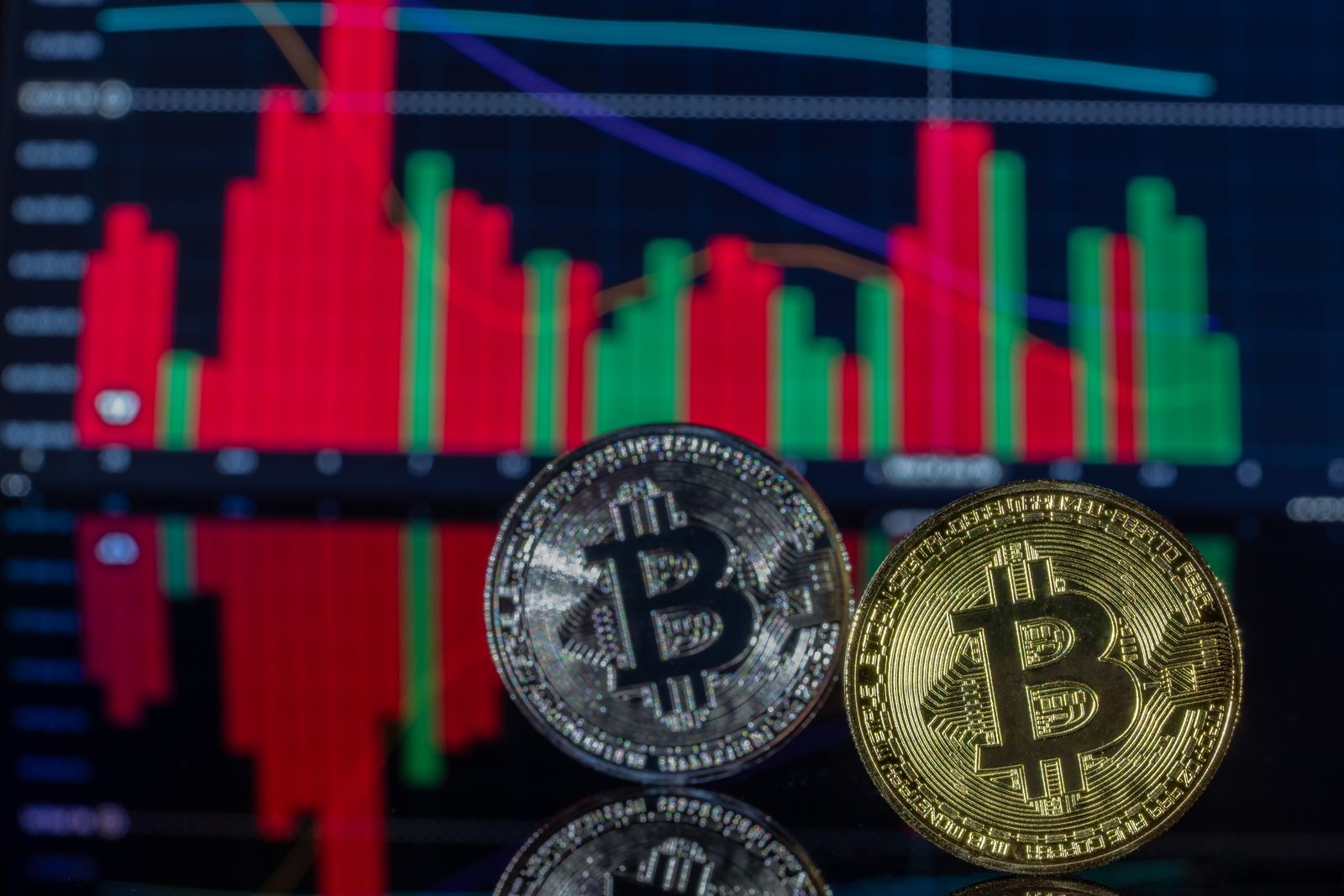
A short squeeze creates forced buying because exchanges close bearish positions when traders can no longer maintain sufficient collateral. That process can accelerate a rally, but it is temporary. Once most vulnerable shorts have been removed, further gains depend on new spot demand and investors choosing to hold their positions.
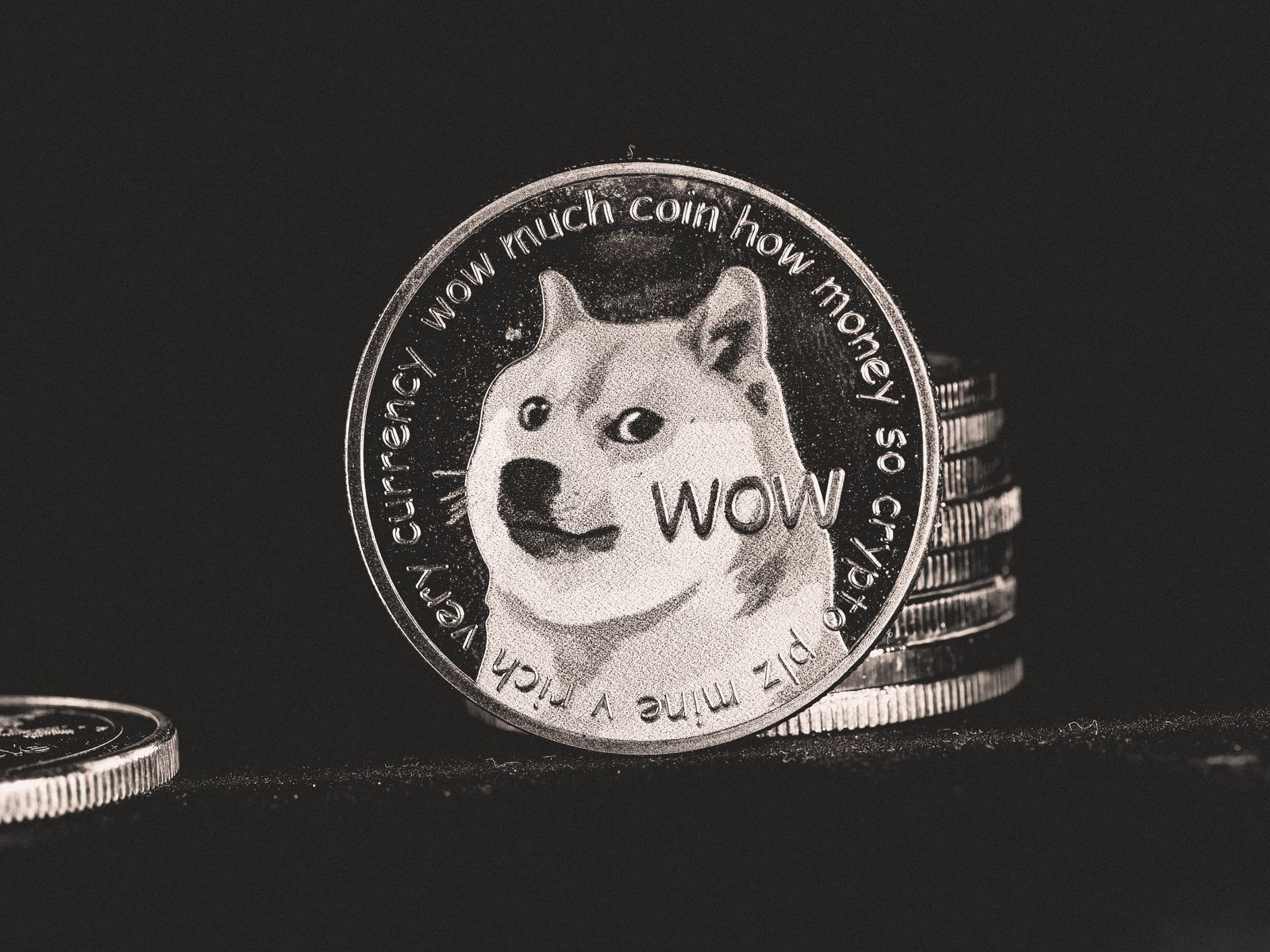
Dogecoin surged more than 15% to just above US$0.10, making it the strongest performer among major cryptocurrencies. XRP gained about 7% toward US$1.52, Solana rose roughly 5% to nearly US$117, and Ether added about 3%.
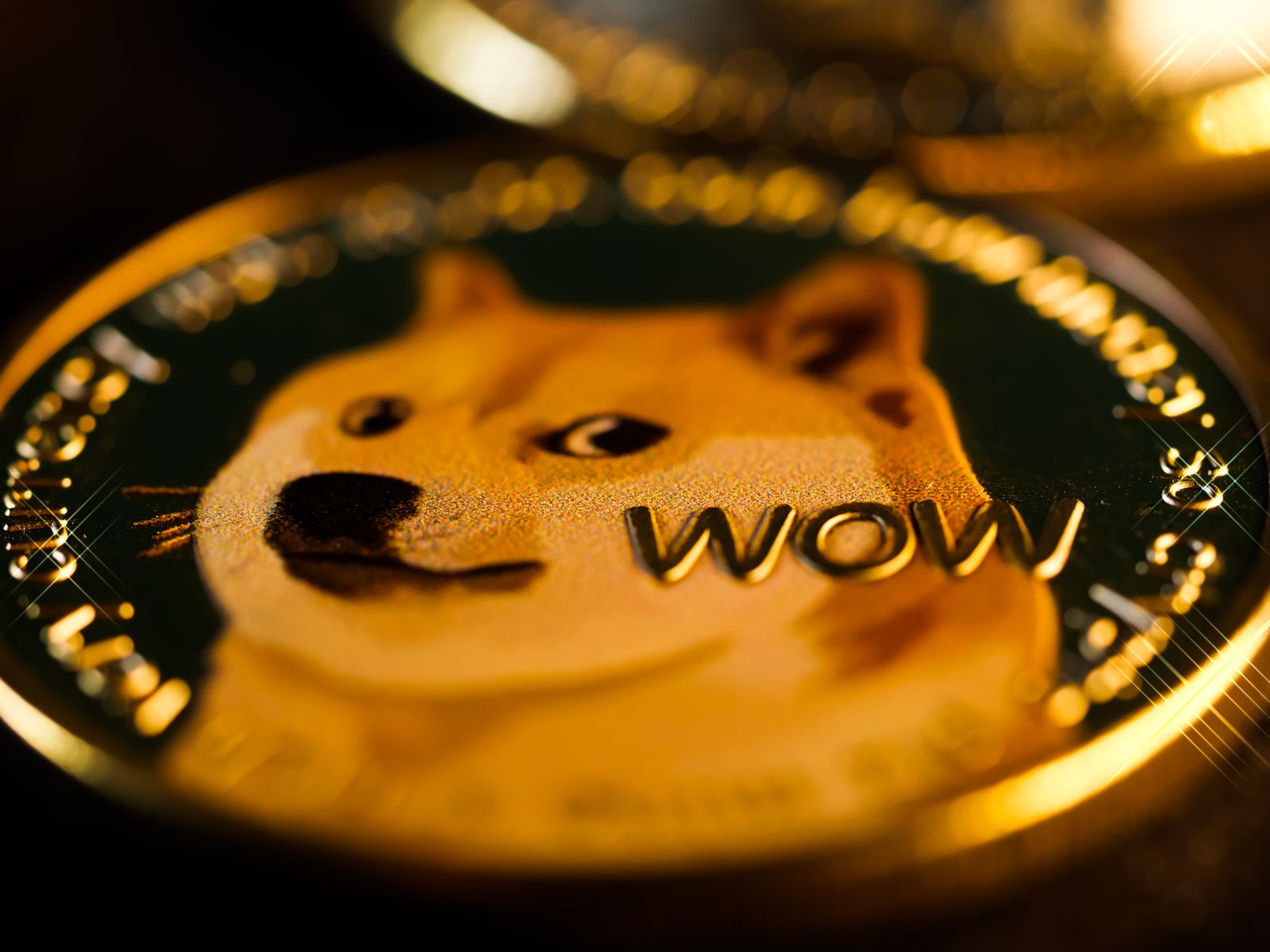
It can also signal speculation. Dogecoin and other volatile altcoins can reverse rapidly when leverage rises or Bitcoin loses momentum. Investors should avoid treating a one-day percentage gain as proof of a durable trend.
Market sentiment has moved into the Extreme Greed zone, while derivatives activity continues to expand. Ethereum futures open interest reportedly increased by more than 6% over 24 hours as traders added exposure during the rally.
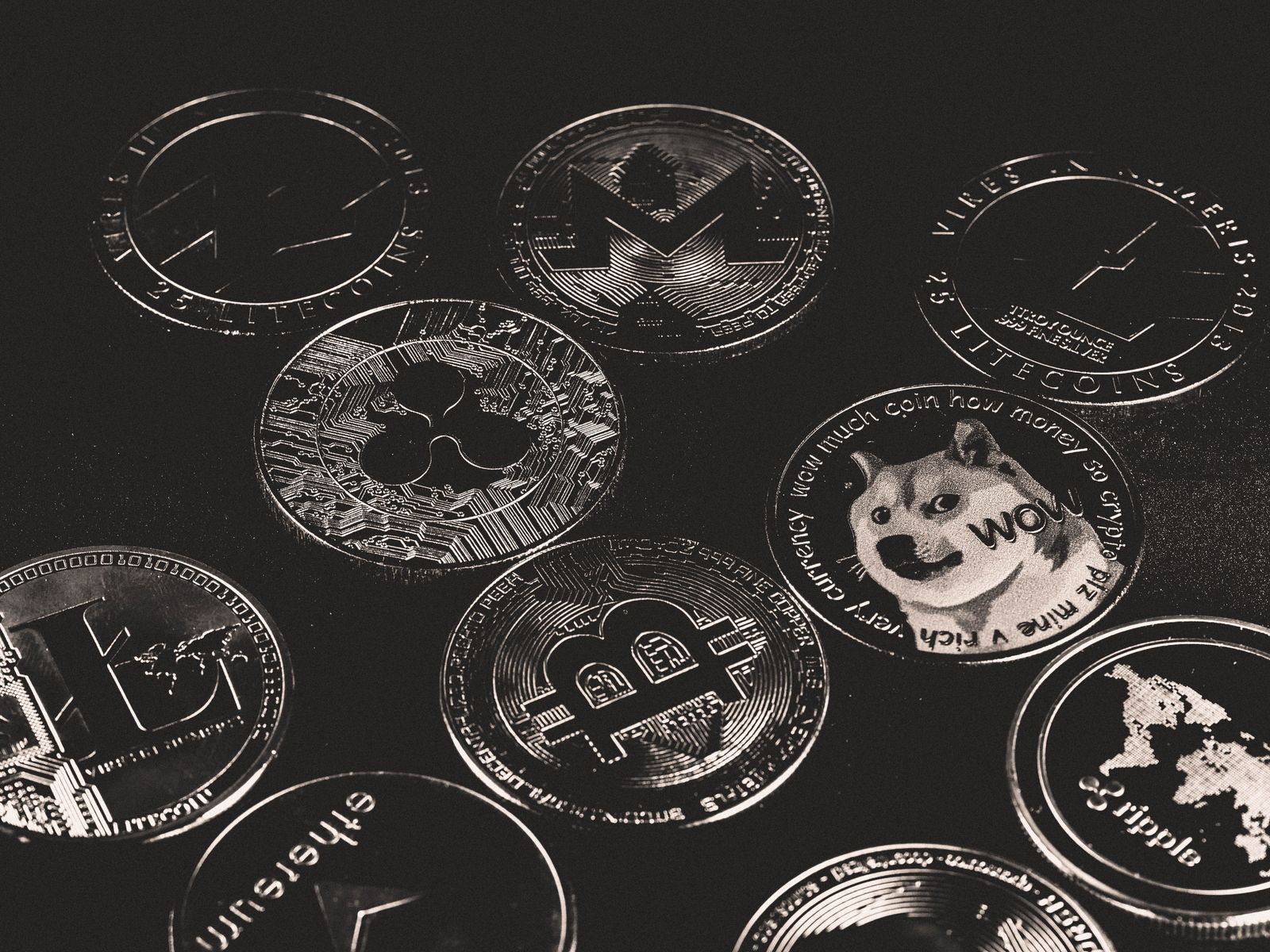
The healthier scenario would be slower price appreciation supported by continuing ETF inflows and spot purchases. A rapid move toward US$90,000 accompanied by excessive leverage would increase the risk of a sharp pullback.
The Eurosystem has launched Pontes, a platform that enables wholesale tokenized-asset transactions to settle in central-bank money. The service connects distributed-ledger platforms with the Eurosystem's existing TARGET settlement infrastructure.

This matters because tokenized securities need a trusted settlement asset. Using central-bank money can reduce counterparty risk and connect blockchain-based markets with established financial infrastructure. Pontes is therefore a significant step toward institutional tokenization in Europe rather than a consumer-focused digital euro product.
Tokenization activity is spreading beyond crypto companies. Google and Apple are reportedly recruiting specialists for stablecoin and tokenization infrastructure, while European and Asian financial institutions continue testing digital bonds and blockchain settlement.

These projects show that the strongest blockchain adoption narrative is moving toward payments, bonds, funds and settlement. The opportunity is less about replacing traditional finance and more about making parts of its infrastructure programmable and interoperable.
The Manhattan U.S. Attorney's Office is investigating whether Binance knowingly allowed trading that violated U.S. sanctions on Iran, according to a Bloomberg report cited by Cointelegraph.
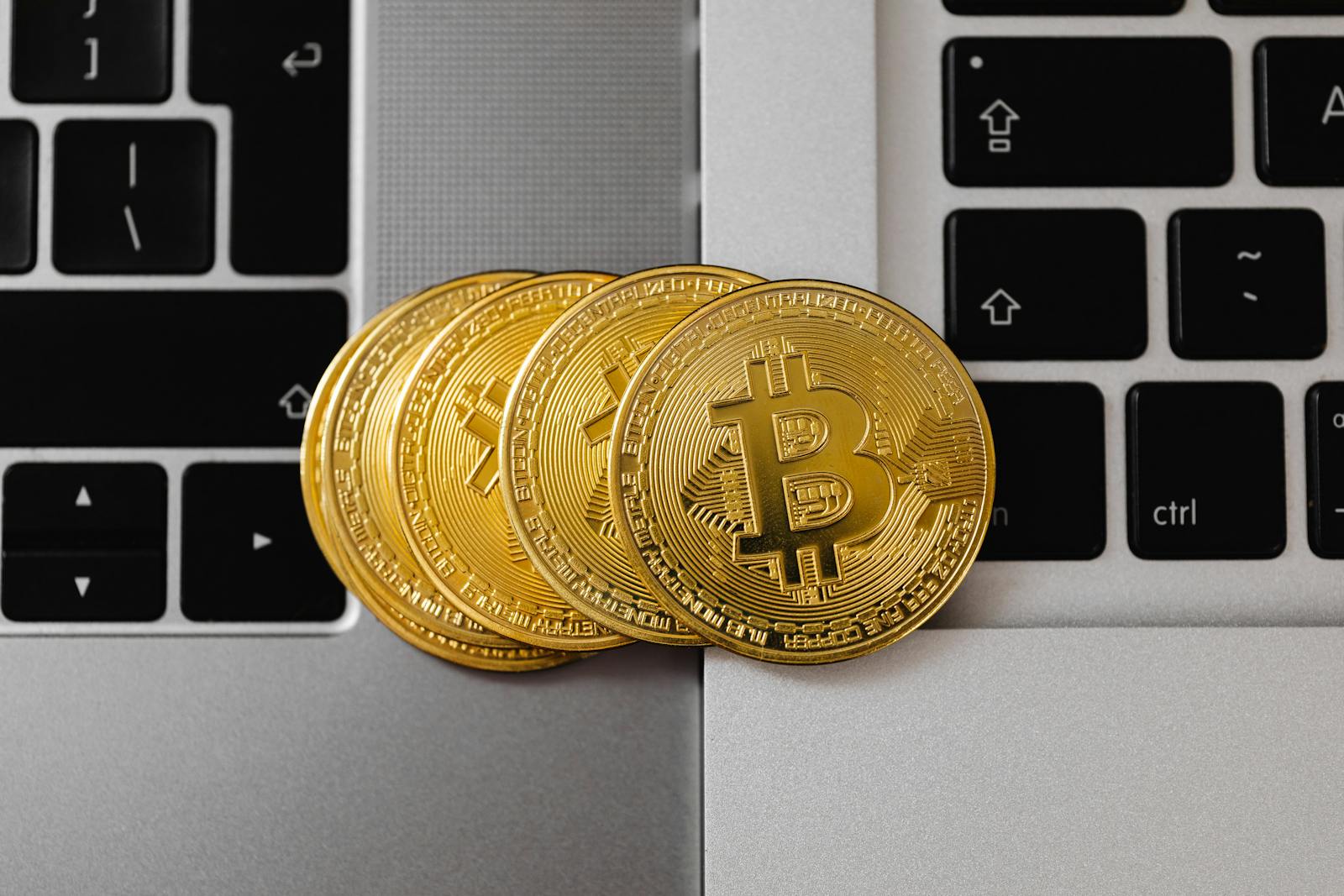
The case nevertheless highlights the compliance pressure facing global exchanges. Platforms must screen customers, wallets and transaction flows across multiple jurisdictions while responding to changing sanctions lists and enforcement expectations.
Cardano is joining Solana and XRP Ledger in developing payment infrastructure for autonomous AI agents. The idea is that software agents may eventually need to purchase data, computing power or digital services without relying on traditional card systems.
The concept remains early. AI payment systems will need strong identity controls, spending limits, security protections and clear responsibility when an autonomous agent makes a mistake. Even so, the competition among major networks suggests that machine-to-machine payments are becoming an important long-term crypto narrative.
The first signal is whether Bitcoin can maintain the US$84,000 to US$85,000 support area. Holding that range would keep US$87,000 and US$90,000 in view.

The third signal is leverage. Traders should monitor funding rates, futures open interest and liquidation data now that most of the latest forced closures came from short sellers.
The fourth signal is altcoin breadth. Continued strength in Ether, XRP, Solana and Dogecoin would indicate a wider recovery, but excessive meme-coin speculation may also warn that risk appetite is becoming overheated.
The fifth signal is regulation and infrastructure. The Binance investigation, the ECB's Pontes launch and new tokenized bond projects will influence how traditional institutions participate in digital assets.
Crypto markets are showing their strongest momentum in months. Bitcoin has reached US$87,000 before consolidating above US$85,000, spot Bitcoin ETFs attracted nearly US$1 billion in one session, and Dogecoin is leading a broad altcoin recovery.
The rally now has two different drivers: genuine institutional inflows and a large short squeeze. The first is constructive, while the second is temporary. For Bitcoin to reach and hold US$90,000, spot demand will need to remain strong after forced buying fades.
Meanwhile, the ECB's Pontes launch and expanding tokenization projects show that blockchain infrastructure is moving deeper into regulated finance. The long-term industry picture is improving, but high leverage, Extreme Greed and unresolved compliance risks mean the short-term market still requires caution.
This article is for informational purposes only and should not be considered financial advice.
Sources: CoinDesk, European Central Bank, Cointelegraph, CoinDesk - Daily Sitemap, KuCoin - ETF Flow Data, The Block, FinanceFeeds.