Updated: August 1, 2026 | PickNexo
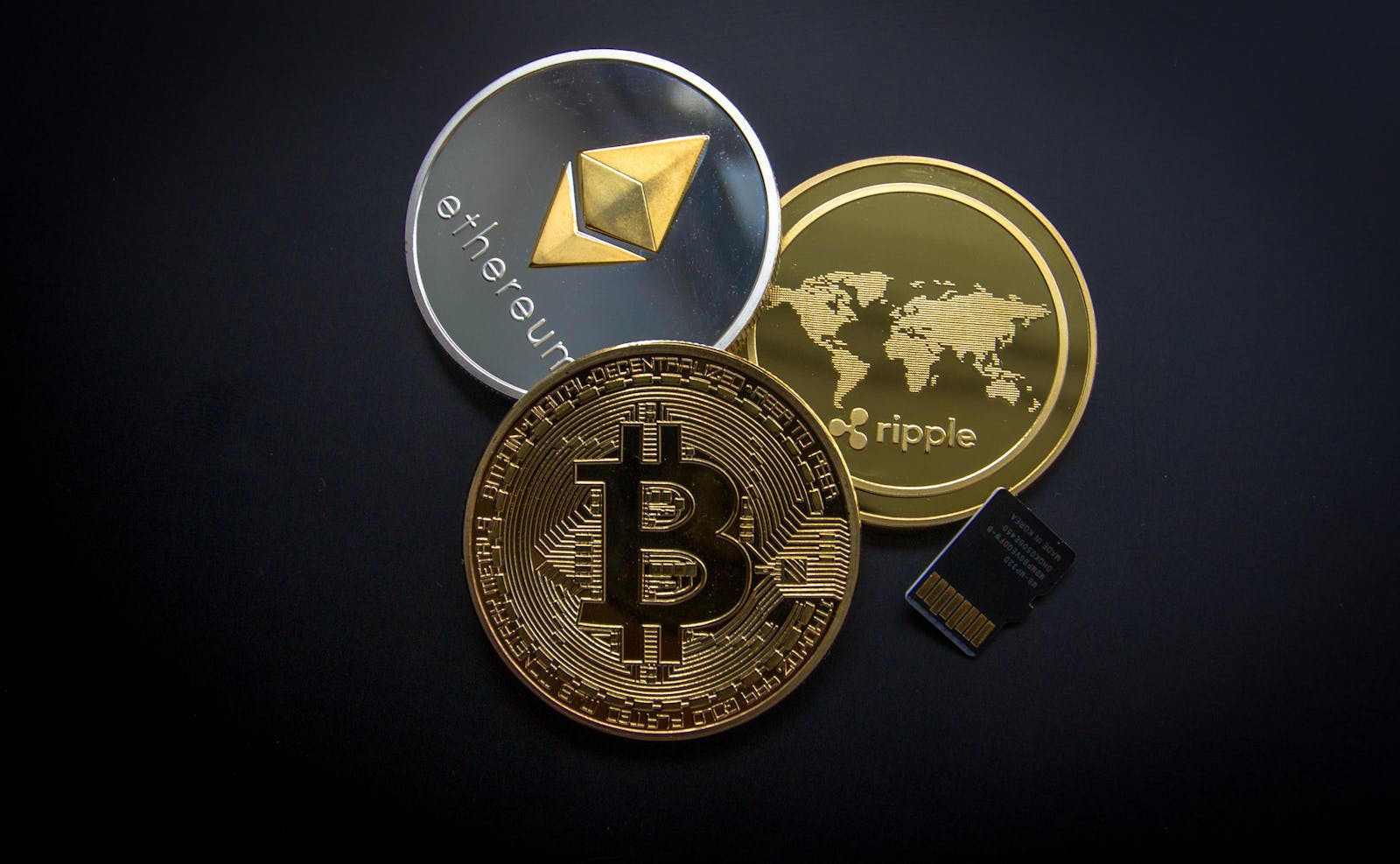
The main theme today is transition. July ended with ETF volatility, macro pressure and regulatory uncertainty. August begins with the same risks, but also with stronger evidence that institutions are still building around tokenization, stablecoin infrastructure, regulated DeFi and long-term Bitcoin security.
Short term, traders are watching oil prices, ETF flows, Federal Reserve expectations and Bitcoin's US$60,000 to US$62,000 support zone. Long term, the industry is watching whether tokenized assets, stablecoins and institutional trading rails can keep expanding even when BTC price action is weak.
Bitcoin is holding near US$65,000 today, but the market still feels defensive. CoinDesk's latest price board showed BTC down on the day, while ETH, XRP and SOL also traded lower. That suggests the pressure is broad rather than isolated to Bitcoin.

The immediate problem is that Bitcoin does not yet have a clean upside catalyst. ETF flows have been inconsistent, macro signals are mixed and regulatory clarity remains delayed. Even when BTC stabilizes, buyers are not yet showing enough strength to force a clear breakout.
For now, Bitcoin is holding up, but it is not leading with conviction.
Macro remains one of the biggest short-term risks for crypto. CoinDesk's live market coverage highlighted Bitcoin slipping as renewed Middle East tension pushed oil above US$90 per barrel. Higher oil prices matter because they can revive inflation concerns and make the Federal Reserve less likely to turn dovish.

The market is not only reacting to geopolitical headlines. It is reacting to what those headlines mean for inflation, rates and risk appetite. If oil stabilizes, crypto may regain some confidence. If oil keeps rising, Bitcoin and altcoins may stay under pressure even if crypto-native news improves.
For August, macro clarity may matter as much as ETF demand.
U.S. crypto regulation remains one of the most important policy stories. CoinDesk reported that Goldman Sachs CEO David Solomon supports moving the CLARITY Act forward, arguing that the bill would create a more stable market-structure framework for digital assets.

The CLARITY Act matters because it could define how digital assets are supervised between the SEC and CFTC. Exchanges, custodians, asset managers, token issuers and banks all want clearer rules before committing more capital to U.S. crypto infrastructure.
But the debate is not finished. Ethics rules, stablecoin yield, investor protection, DeFi treatment and anti-money-laundering requirements remain difficult issues. Until the bill moves forward, regulatory uncertainty will continue to weigh on sentiment.
One of the most important infrastructure stories today is Uniswap's push into regulated tokenized assets. CoinDesk reported that Uniswap Labs is rolling out permissioned trading pools designed to let tokenized funds, equities and other regulated assets trade with built-in compliance controls.

This is important because it shows DeFi adapting to institutional requirements rather than waiting for institutions to accept fully open markets. Regulated assets often need investor eligibility checks, transfer restrictions and compliance monitoring. Permissioned pools bring those controls closer to the liquidity layer.
For DeFi, this may be a major shift. The next wave of onchain value may not come only from open memecoin or governance-token markets. It may come from regulated funds, tokenized equities, private credit and real-world assets that need compliance by design.
Bitcoin's long-term security is also in focus. CoinDesk reported that BlackRock, Coinbase, Strategy and other firms have joined a Bitcoin Security Consortium pledging US$15 million over three years to support research and open-source work related to future security threats, including quantum computing.

The consortium is not taking control of Bitcoin governance. Members will direct funding independently, and the open-source community remains responsible for protocol decisions. That distinction is important because Bitcoin's credibility depends on not being controlled by large corporate holders.
For investors, the message is constructive. Major institutions are no longer only buying Bitcoin exposure. They are also beginning to fund the security research needed to protect the network over decades.
Tokenization continues to move from narrative to utility. CoinDesk's Crypto for Advisors newsletter said the conversation around tokenized real-world assets has shifted from whether assets belong onchain to how they can be used in real workflows.

The key point is that tokenization is no longer only about putting assets on a blockchain for branding. Institutions want faster settlement, better collateral mobility, programmable cash management and broader distribution.
The hard parts remain compliance, interoperability, wallet distribution and legal rights. But the market is clearly moving toward real use cases rather than pure hype.
Stablecoins remain one of crypto's clearest product-market-fit stories. Cointelegraph's latest coverage noted that former BIS chief Agustín Carstens has softened his stance on stablecoins, supporting coexistence with fiat money under global regulatory frameworks.

The debate is not about whether stablecoins are useful. The debate is about reserves, yield, consumer protection, compliance and who should be allowed to issue or distribute them.
If stablecoin rules become clearer, adoption could accelerate. If regulation becomes too fragmented, stablecoin activity may remain strong but uneven across regions.
The first signal is Bitcoin's US$60,000 to US$62,000 support zone. A clean hold keeps the market stable.
The second signal is oil. If crude prices stay elevated, inflation and rate concerns may continue pressuring crypto.
The third signal is ETF flow. Bitcoin and Ethereum need more consistent institutional demand to rebuild upside momentum.
The fourth signal is the CLARITY Act. Wall Street support helps, but the bill still faces political and banking-industry resistance.
The fifth signal is tokenized assets. Uniswap's permissioned pools and institutional RWA adoption show whether DeFi can become compliant financial infrastructure.
The sixth signal is Bitcoin security funding. Institutional support for open-source security work is a long-term positive if governance independence is preserved.
The seventh signal is stablecoins. Clearer rules could make stablecoins one of the strongest adoption drivers in the next market phase.
Crypto markets are starting August in a cautious position. Bitcoin is near US$65,000, but momentum remains weak as oil volatility, Fed uncertainty, ETF inconsistency and regulatory delays weigh on sentiment.
The short-term picture is mixed. BTC is holding support, but it is not breaking out. Altcoins remain under pressure, and macro conditions are still fragile.
The long-term picture is more constructive. Uniswap is building compliant trading pools for tokenized assets, institutions are funding Bitcoin security research, stablecoins are gaining more mainstream acceptance, and tokenization is moving into practical financial workflows.
For investors, discipline remains important. For the industry, the message is clear: crypto adoption is advancing, but the next stage will depend on regulation, liquidity, security and real-world utility.
This article is for informational purposes only and should not be considered financial advice.
Sources: CoinDesk, CoinDesk Markets, CoinDesk: Goldman Sachs and CLARITY Act, CoinDesk: Uniswap Permissioned Pools, CoinDesk: Bitcoin Security Consortium, CoinDesk: Tokenization, Cointelegraph.