Updated: June 22, 2026 | PickNexo
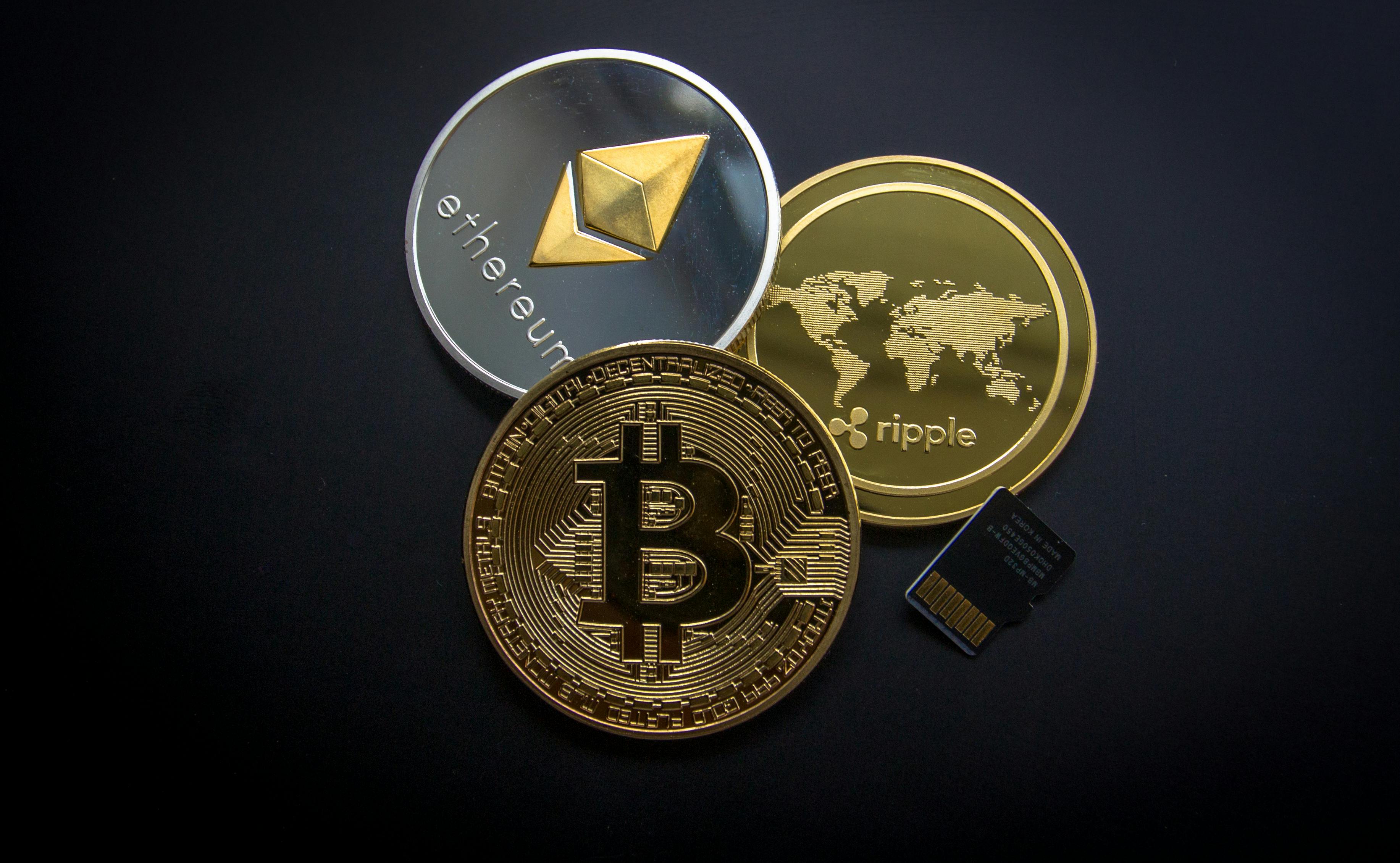
Crypto markets are starting the week with a cautious rebound. Bitcoin is trading around $64,600 to $65,500, Ethereum is near $1,740 to $1,775, and Solana is around $73 to $75, according to live market references from CoinDesk and Cointelegraph today.
The market is not fully risk-on yet. Bitcoin ETF outflows are still negative, miners are under pressure, and U.S. rate expectations remain a headwind. But the tone is better than last week because ETF selling appears to be slowing, long-term infrastructure news is improving, and institutional tokenization is moving from theory into actual products.
The biggest theme today is a split market. Short-term traders are watching whether Bitcoin can hold the $64,000 area and push toward $66,000. Long-term investors are watching a much larger transition: stablecoins, tokenized deposits, tokenized funds, and traditional exchanges are becoming more connected to public blockchains.
Bitcoin returned to the $64,000-$65,000 range after a volatile weekend. Cointelegraph reported that BTC pushed back above $64,000 even as traders questioned whether the move was strong enough to survive renewed geopolitical pressure and Binance spot-market selling.

This is why today's price action should be viewed as stabilization, not a confirmed breakout. The market has stopped bleeding as aggressively, but it has not yet shown the kind of strong follow-through that usually marks a durable trend reversal.
Ethereum and Solana are also firmer today, but their moves are still tied closely to Bitcoin's ability to keep broader risk sentiment alive.
Bitcoin ETF flows remain one of the most important signals for the market. CoinDesk reported that U.S.-listed spot Bitcoin ETFs lost another $228 million in the shortened trading week, marking the sixth straight week of net outflows.
That sounds bearish at first, but the detail matters. The outflow pace has slowed for two consecutive weeks after several weeks when weekly withdrawals topped $1 billion. CoinDesk cited Tagus Capital saying the data suggests the most aggressive phase of institutional de-risking may be fading.

Cointelegraph also reported that Bitcoin ETFs saw roughly $6.35 billion in net outflows over 30 trading days, the largest 30-day withdrawal streak since U.S. spot Bitcoin ETFs launched in 2024.
The key point is that ETF flows are still a headwind, but the pressure may be becoming less severe. For Bitcoin, that distinction matters. A market can stabilize when sellers are still present but no longer accelerating.
For a stronger recovery, investors need to see ETF demand return to net inflows. Until that happens, Bitcoin's upside may remain limited and rallies may be vulnerable to profit-taking.
The macro setup has also changed. CoinDesk noted that while oil prices have fallen sharply, the U.S. two-year Treasury yield has climbed to around 4.21%, its highest level since February 2025.
This matters because the two-year yield reflects expectations for Federal Reserve policy. If markets believe inflation will remain sticky and rate hikes are possible, risk assets such as Bitcoin, tech stocks, and high-beta crypto tokens usually face pressure.

That makes Bitcoin's recovery more complicated. Lower oil prices can support risk sentiment, but higher Treasury yields can offset that benefit by making cash and short-duration bonds more attractive.
The next major macro signal is U.S. inflation data. If inflation stays elevated, Bitcoin may struggle to extend its rebound even if ETF outflows continue to slow.
One of today's most important policy stories comes from the United Kingdom. The Bank of England published its updated framework for sterling-denominated systemic stablecoins on June 22, 2026.
The central bank moved away from its earlier plan to impose strict individual and business holding limits. Instead, it proposed a temporary issuance guardrail of 40 billion pounds per systemic stablecoin.

CoinDesk reported that the Bank of England also reduced the required share of non-interest-bearing central bank deposits backing stablecoins to 30%, allowing issuers to hold up to 70% of reserves in short-term U.K. government debt. The Bank's own policy statement said the updated approach is designed to support viable business models while maintaining financial stability safeguards.
This is a major shift. The U.K. is trying to avoid being too restrictive while still preventing sudden bank-deposit flight into stablecoins.
For crypto markets, the signal is constructive. Stablecoin regulation is moving from broad skepticism toward workable rules. That could make the U.K. more competitive as stablecoins become part of payments, settlement, and tokenized capital markets.
The most important tokenization headline today is the new joint venture between OKX and Intercontinental Exchange, the owner of the New York Stock Exchange.
CoinDesk reported that former New York Governor Andrew Cuomo will lead the venture. Subject to regulatory approval, it aims to operate as a U.S.-registered broker-dealer and futures commission merchant.

This matters because tokenization is no longer just a crypto-native experiment. Major market infrastructure companies are now building rails that could allow traditional assets to trade with blockchain-based settlement, broader global access, and potentially longer trading hours.
The opportunity is large, but the regulatory bar will be high. Tokenized equities need clear rules around ownership, settlement, custody, disclosure, and investor protection. If those pieces come together, this could become one of the more important bridges between crypto exchanges and traditional capital markets.
Anchorage Digital is also moving deeper into institutional payments. CoinDesk reported that the federally chartered crypto bank is launching infrastructure that allows banks to issue and manage tokenized deposits.
Tokenized deposits are different from stablecoins. A stablecoin is usually issued by a private non-bank company and backed by reserves such as Treasuries or cash. A tokenized deposit is a blockchain-based representation of commercial bank deposits that remain inside the banking system.

This is important because banks do not want to lose payment flows to stablecoin issuers. If tokenized deposits gain traction, the future of on-chain payments may be shaped by competition between regulated bank money and private stablecoins.
For the crypto industry, the result could still be positive. Whether the winning product is a stablecoin or tokenized deposit, more settlement activity moving onto blockchain rails strengthens the broader infrastructure thesis.
MoneyGram has become a validator on the Solana blockchain, according to CoinDesk. The remittance company will help process transactions and secure the network as it expands its stablecoin payment strategy.

The move is meaningful because MoneyGram is not simply using blockchain as a backend experiment. By becoming a validator, it is participating directly in network infrastructure.
For Solana, this is a credibility boost. The network has long been associated with speed, low fees, and consumer crypto applications. Institutional payment participation helps push the story toward real-world settlement and remittances.
Mining is a weaker part of the Bitcoin story today. CoinDesk reported that JPMorgan sees Bitcoin's mining network becoming more sensitive to price swings because more miners are operating near breakeven.
The bank estimated that Bitcoin has been trading below its production cost for five consecutive months, with the estimated production cost around $78,000. JPMorgan also cited CoinShares data suggesting about 20% of miners may be unprofitable.

JPMorgan said publicly traded miners sold more than 32,000 BTC in the first quarter, more than their combined sales for all of 2025.
For investors, mining pressure is not automatically bearish, but it does create a fragile backdrop. If Bitcoin cannot climb closer to production cost, miners may continue to act as a source of supply rather than accumulation.
Strategy, the largest publicly listed Bitcoin holder, added 520 BTC last week for roughly $34.9 million, according to CoinDesk. That brings its total holdings to 847,363 BTC.

The more interesting part is not the Bitcoin purchase. Strategy also added $300 million to cash reserves, bringing reserves to about $1.4 billion.
That matters because investors have been watching the company's preferred shares and dividend obligations closely. By raising cash, Strategy is trying to reassure the market that it can support dividend payments while continuing its Bitcoin accumulation strategy.
This is a reminder that corporate Bitcoin treasury models are no longer simple bullish headlines. Balance-sheet structure, preferred shares, debt costs, and market confidence now matter almost as much as the amount of BTC held.
Traditional finance tokenization gained another important example today. Baillie Gifford, a 118-year-old investment manager, introduced the Baillie Gifford Enhanced Yield Fund with BNY.
CoinDesk reported that the fund operates through a U.K.-regulated OEIC structure and uses both Ethereum and Solana. It gives eligible investors exposure to an actively managed, short-duration portfolio of public corporate bonds.

The fund reportedly offers a yield of around 7% and is available to eligible investors in selected jurisdictions, subject to regulation and distribution restrictions.
This is important because it moves tokenization beyond headlines. The fund is not just a token wrapped around an old product. According to the companies, the blockchain acts as the register of record, meaning investors hold the fund directly on-chain.
Together with the OKX-ICE venture, this shows that tokenization is becoming one of the strongest long-term crypto narratives. Even when Bitcoin price action is fragile, institutional blockchain adoption continues to advance.
The first signal is Bitcoin's $64,000 support area. If BTC holds above that level and pushes through $66,000 with stronger spot buying, the rebound becomes more credible.
The second signal is ETF flow. Outflows are slowing, but the market needs a return to net inflows before confidence can fully recover.
The third signal is U.S. Treasury yields. If the two-year yield stays elevated, rate expectations may cap crypto upside.
The fourth signal is stablecoin regulation. The Bank of England's softer framework could support U.K. stablecoin development, but details still matter before regulated launches in 2027.
The fifth signal is tokenization adoption. OKX-ICE, Anchorage, MoneyGram, Baillie Gifford and BNY all point to a broader institutional shift toward blockchain-based market infrastructure.
Crypto markets are showing signs of stabilization today, but the recovery remains fragile. Bitcoin is back near $65,000, Ethereum is trading around the mid-$1,700s, and Solana is holding in the low-to-mid $70s.
Short term, the market still faces pressure from ETF outflows, higher rate expectations, miner stress, and uncertain spot demand. These factors make it too early to call a full trend reversal.
Long term, the industry picture is stronger. Stablecoin regulation is becoming more practical, banks are exploring tokenized deposits, MoneyGram is expanding stablecoin payment infrastructure, and major traditional finance players are launching tokenized market products.
The message for investors is mixed but clear: price action is still fragile, yet crypto infrastructure is becoming more deeply connected to payments, banking, public markets, and institutional asset management.
This article is for informational purposes only and should not be considered financial advice.
Sources: CoinDesk: https://www.coindesk.com/coindesk-news, Cointelegraph: https://cointelegraph.com/tags/bitcoin, Bank of England: https://www.bankofengland.co.uk/paper/2026/ps/sterling-denominated-systemic-stablecoin, Business Wire: https://www.businesswire.com/news/home/20260622653058/en/Intercontinental-Exchange-and-OKX-Establish-Joint-Venture-to-Bridge-Traditional-and-Digital-Asset-Markets.