Updated: June 3, 2026 | PickNexo

The selloff comes as the U.S.-Iran conflict continues to weigh on global risk assets. Investors are moving defensively, and crypto is once again showing that it can behave more like a high-risk asset than a safe haven during geopolitical shocks.
At the same time, there are still important long-term developments under the surface. The SEC has placed digital assets on its strategic roadmap through 2030, stablecoin regulation is advancing in both the U.S. and the U.K., and tokenization remains a major institutional theme.
Bitcoin saw a sharp decline after U.S.-Iran tensions escalated, falling below $66,000 before stabilizing near the $67,000 area. According to market data cited by Decrypt, Bitcoin opened near $71,305, dropped to around $66,948 and later traded around $67,287.
This move marked one of Bitcoin's largest daily drops since early February. The broader crypto market followed the same direction, with Ethereum falling below $1,900 and Solana losing more than 6%.
The decline also triggered broader weakness across altcoins. Dogecoin, BNB, Cardano, XRP and other large-cap tokens traded lower as investors reduced exposure to speculative assets.
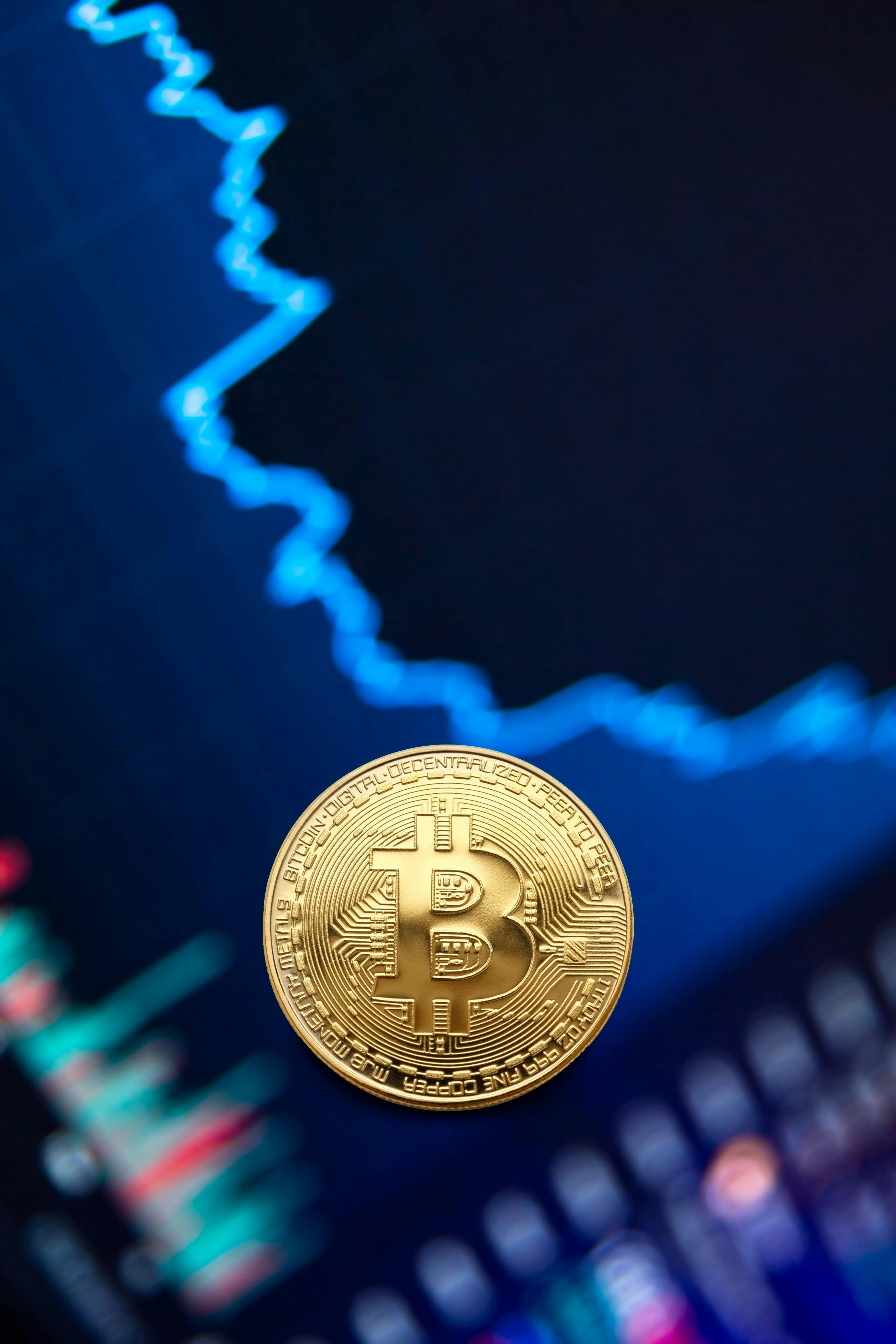
For now, the $66,000 to $67,000 zone is the first area traders are watching. If Bitcoin fails to defend this range, the next wave of selling could put deeper support levels back in focus.
CoinDesk reported that Bitcoin's "fear gauge" jumped nearly 20%, marking its biggest increase since the February 5 crash. That kind of move suggests traders are rapidly buying protection or positioning for more volatility.
Prediction market traders are also leaning toward the view that Bitcoin's selloff may have further to run. This does not guarantee another leg lower, but it shows that sentiment has turned defensive.
ETF flows are another important factor. Earlier outflows from Bitcoin funds already showed that institutional demand had cooled. When ETF flows weaken at the same time that geopolitical risk rises, the market becomes more vulnerable to sharp liquidations.
For traders, the next few sessions may be less about bullish narratives and more about liquidity, support levels and whether forced selling continues.
Regulation and geopolitics are also colliding today. The U.S. Treasury has issued sanctions targeting four Iranian crypto exchanges as part of its broader action against Iran.
The sanctions are reportedly linked to concerns over terrorism financing, sanctions evasion and the use of digital assets to move funds outside traditional financial channels.
For the industry, this is another reminder that regulatory compliance is no longer optional. As crypto becomes more integrated with traditional finance, governments are treating digital asset platforms as part of the global financial system.
While the short-term market is under pressure, the long-term regulatory picture is still moving forward. Cointelegraph reported that the SEC has made digital assets a strategic priority through 2030.
The regulator's five-year roadmap calls for clearer crypto rules, support for tokenization, and a framework for staking and onchain markets.
This is a major signal. For years, the crypto industry has criticized the U.S. regulatory environment for being unclear and enforcement-driven. A formal roadmap does not solve every problem immediately, but it suggests that digital assets are becoming a permanent part of the SEC's policy agenda.
The roadmap could also support institutional adoption. Asset managers, banks and tokenization platforms need clearer rules before launching larger products at scale.
Stablecoins are also in focus. Coinbase has invested in a ProShares ETF designed around Treasury assets for the post-GENIUS Act environment. The move suggests that major crypto firms are preparing for a more regulated stablecoin market where reserve assets, yield and compliance structures matter more.
At the same time, the U.K. House of Lords has warned that the Bank of England could regulate pound stablecoins into irrelevance if proposed restrictions are too strict.

But regulators are trying to balance innovation with financial stability. If rules are too loose, stablecoins could create systemic risk. If rules are too restrictive, innovation may move offshore.
For investors, stablecoin regulation is important because it affects liquidity across the entire crypto market. Stablecoins are the base layer for DeFi, exchanges and onchain settlement.
Even with the market under pressure, tokenization continues to attract institutional attention.
CoinDesk reported that Stellar's CEO believes the CLARITY Act would help the industry, but tokenization is not fully dependent on it. The bigger story is that DTCC has connected its tokenized securities platform to Stellar, showing that public blockchains are becoming part of Wall Street's multichain tokenization strategy.
Ethereum is also back in focus. Decrypt reported that Standard Chartered believes ETH could begin outperforming Bitcoin as BTC weakens. Ethereum's long-term case remains tied to staking, DeFi, tokenized assets and institutional onchain finance.
The next major crypto cycle may not be driven only by retail speculation. It may be driven by which networks become useful for regulated financial infrastructure.
Another important market theme is the growing gap between crypto and AI stocks. Bitwise has argued that crypto is becoming a contrarian bet as investors shift attention toward artificial intelligence equities.
This matters because AI has become the dominant risk-on narrative in traditional markets. When capital flows toward AI stocks, crypto may struggle to attract momentum-driven buyers.
However, contrarian setups can also become attractive when sentiment gets too negative. If Bitcoin stabilizes and regulatory clarity improves, crypto could regain attention from investors looking for assets that have lagged behind AI.
For now, though, the market is clearly defensive. Traders are waiting for signs that selling pressure has peaked.
Decrypt also highlighted renewed concerns around quantum computing after Microsoft announced a new quantum chip. The company reportedly described the chip as significantly more reliable than earlier designs.
Quantum computing is not an immediate threat to Bitcoin, but it remains a long-term security topic. If quantum systems eventually become powerful enough, they could challenge some of the cryptographic systems used to secure Bitcoin wallets and modern internet infrastructure.

This is not a reason for panic, but it is a reminder that blockchain security must evolve over time.
The first signal is Bitcoin's reaction around the $66,000 to $67,000 zone. If BTC holds this area, the market may attempt a short-term rebound. If it breaks lower, traders may look for deeper support.
The second signal is geopolitical risk. Any further escalation between the U.S. and Iran could keep pressure on risk assets, including crypto.
The third signal is ETF flow. If Bitcoin ETF outflows continue, institutional demand may remain weak. If inflows return, sentiment could improve quickly.
The fourth signal is regulation. The SEC's 2030 digital asset roadmap, stablecoin policy and sanctions activity all show that crypto is becoming more deeply embedded in global financial regulation.
The fifth signal is tokenization. Ethereum, Stellar and other infrastructure networks may remain important even if short-term prices are weak.
Crypto markets are under pressure today as Bitcoin falls below $66,000 and geopolitical risk shakes global sentiment. Ethereum, Solana and other major tokens are also trading lower, while fear indicators show that traders are preparing for more volatility.
But the market is not only about price weakness. The SEC's digital asset roadmap, stablecoin regulation, tokenization and institutional blockchain adoption all point to a more mature crypto industry over the long term.
For investors, the current environment requires caution. Short-term risk is high, liquidity is fragile and geopolitical headlines can move markets quickly. At the same time, the long-term crypto story continues to shift from speculation toward regulation, infrastructure and real-world financial use cases.
This article is for informational purposes only and should not be considered financial advice.
Sources: Cointelegraph, CoinDesk, Decrypt.