Updated: July 17, 2026 | PickNexo
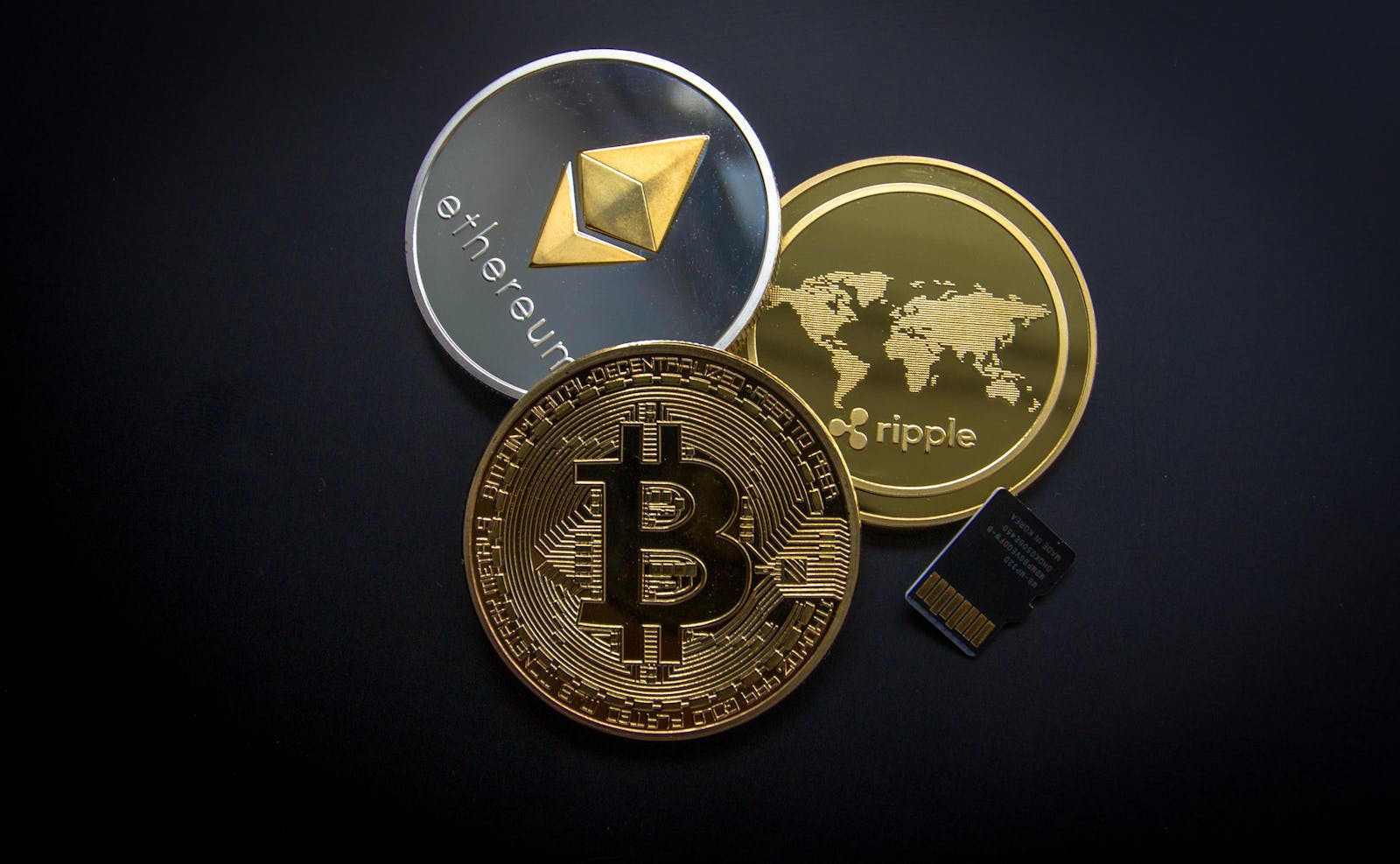
The selloff also spread across major crypto assets. Ether fell harder than Bitcoin, Hyperliquid’s HYPE dropped sharply, and Asian chip stocks sold off as investors questioned whether the AI trade had moved too far too fast.
But the longer-term crypto story is not only about price weakness. Bitcoin and Ether ETFs are still seeing inflows, Visa launched a stablecoin platform for institutions, T. Rowe Price introduced an actively managed multi-token crypto ETF, Morgan Stanley’s E*TRADE expanded retail crypto trading, and tokenized private credit continues to move on-chain.
Bitcoin slipped below $63,000 after a new round of US airstrikes hit Iran, according to CoinDesk. The move extended the pullback from Bitcoin’s recent attempt to reclaim the $65,000 level.
The latest strike reportedly hit infrastructure in Iran’s Hormozgan province, including bridges and a maritime control tower. Even though WTI oil held near $79 per barrel, the broader risk mood weakened.
Asian stocks fell alongside crypto. Japan’s Nikkei dropped nearly 3%, while Nasdaq futures also moved lower.
For Bitcoin, the issue is not only the strike itself. The market is now balancing several risks at once: oil, inflation expectations, US monetary policy, and geopolitical escalation.

Markets also reacted to renewed US-China uncertainty.
President Trump said newly declassified intelligence suggested China had interfered in the 2020 US election by obtaining 220 million voter records. China denied the allegation, but the timing matters because Trump and President Xi Jinping are expected to meet in September.
The Australian dollar weakened after the comments. That is notable because the Aussie dollar often acts as a liquid proxy for China-sensitive risk sentiment.
CoinDesk warned that weakness in AUD could signal stress that may eventually spill over into Bitcoin and other risk assets.
In simple terms, crypto is not only watching the Fed anymore. It is watching Washington, Beijing, Tehran and oil markets at the same time.
Ether underperformed Bitcoin today.
ETH fell around 4% to about $1,850, while Bitcoin dropped about 2% toward the low $63,000 range. HYPE was hit harder, falling about 10% on the day and roughly 12% on the week.
The move was connected to a broader unwind in Asian semiconductor and AI-related stocks. Japan’s Nikkei had its worst session since March, Taiwan Semiconductor headed for its biggest one-day decline since April 2025, and Kioxia dropped sharply.
That matters because crypto has been competing with the AI trade for speculative capital all year. When the chip trade weakens, it can either free up liquidity for crypto or trigger broad risk-off selling. Today, it was the second outcome.
Oil remains one of the biggest macro risks for crypto.
Brent crude climbed toward $85 per barrel, up about 12% for the week, as hostilities escalated and shipping traffic through the Strait of Hormuz thinned.
That matters because higher oil can push inflation expectations higher. Earlier this week, softer US inflation data helped Bitcoin rally toward $65,000 by reducing rate-hike fears. But if oil keeps rising, that relief may fade quickly.
This is the central tension in the market.
The CPI print improved the short-term rate outlook, but geopolitical energy risk is pulling the other way.
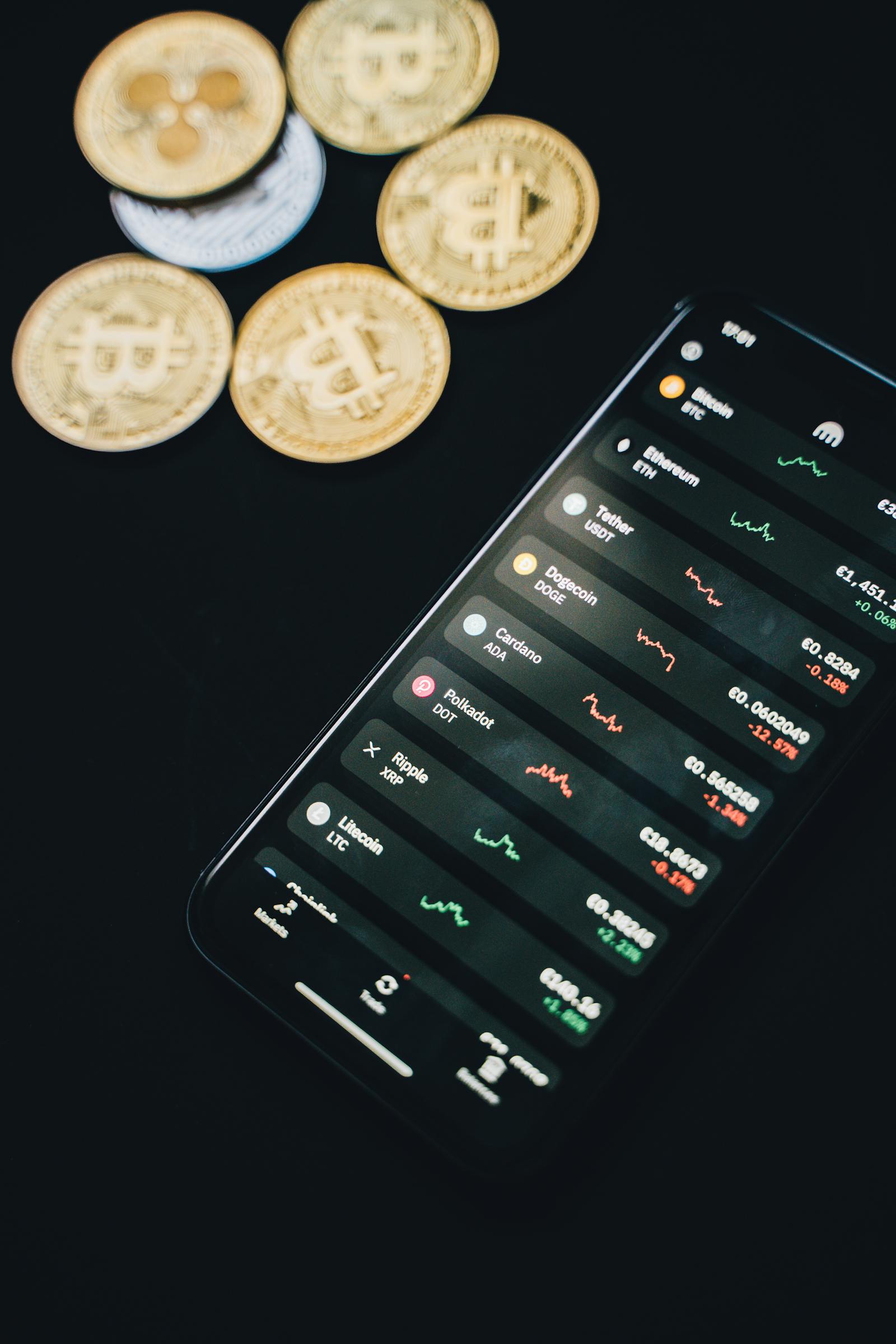
US spot Bitcoin ETFs recorded $79.2 million in net inflows on Thursday, extending their inflow streak to three consecutive trading days. The three-day total reached about $368 million, according to Cointelegraph.
The inflows helped July turn positive after heavy outflows in May and June. Spot Bitcoin ETFs lost $4.51 billion in June and $2.4 billion in May.
This is not a full recovery yet. Bitcoin ETF flows are still negative for 2026 overall. But renewed inflows show that some institutional buyers are returning despite macro uncertainty.
Ether ETFs also saw renewed demand.
US spot Ether ETFs attracted nearly $97 million in the first three days of the week, more than they gathered during all of the previous week. Most of that money went into BlackRock’s products.
That concentration is important.
The inflow is positive for Ether, but it is not yet a broad-based recovery across the ETF market. Grayscale’s higher-fee Ether trust continues to see outflows, while BlackRock’s lower-fee funds are absorbing most of the demand.
This helps explain why Ether could still fall hard today despite ETF inflows. The bid exists, but it was not strong enough to offset macro selling.
A long-dormant Bitcoin wallet moved 5,908 BTC worth about $383 million after nearly eight years of inactivity.
The wallet accumulated Bitcoin near the 2017 cycle peak, when BTC traded around $16,000. The position is still up roughly 284%, even after surviving the 2018 bear market and the 2022 crash.
The key detail is where the coins went.
According to CoinDesk, the BTC moved to a new address, not to an exchange deposit address. That means there is no clear evidence of an immediate sale.
The move could reflect custody upgrades, key rotation, estate planning or preparation for an over-the-counter transaction. Still, large dormant wallet movements always draw attention because they can signal potential supply entering the market.

Traditional finance continues to move deeper into crypto products.
T. Rowe Price launched what it calls the industry’s first actively managed multi-token spot crypto ETF. The fund, TKNZ, gives investors exposure to a diversified basket of digital assets including Bitcoin, Ether, BNB, XRP, Solana and HYPE.
This is different from the single-asset Bitcoin and Ether ETFs that have dominated the market.
An actively managed crypto ETF can adjust allocations based on market conditions, research and momentum. That may appeal to investors who want exposure to crypto but do not want to choose individual tokens themselves.
The fund carries a 0.75% net management fee through May 2027, after which it is expected to rise to 0.90%.
Morgan Stanley’s E*TRADE also expanded crypto access for retail investors.
Eligible clients can now buy, sell and hold Bitcoin, Ether and Solana through a partnership with Zero Hash. Crypto holdings will appear alongside stocks and traditional investments inside the E*TRADE platform.
The self-directed brokerage serves 8.6 million households and held about $1.56 trillion in client assets as of March 31.
This matters because crypto is becoming part of mainstream brokerage infrastructure. Instead of forcing users to open separate exchange accounts, TradFi platforms are beginning to integrate digital assets into existing investment dashboards.
That is a quiet but important adoption step.

Stablecoin infrastructure took another major step forward.
Visa introduced the Visa Stablecoin Platform, an enterprise service that allows banks, fintechs and crypto firms to issue, store, transfer and redeem stablecoins through a Visa-managed system.
The platform initially supports Open USD and includes wallet infrastructure, blockchain connectivity, dual-approval workflows, audit logs and transfer allow lists. It is also connected to Visa’s payment network, allowing institutions to use stablecoins without replacing their existing systems.
This is important because stablecoin adoption is not only about having a token. Institutions need controls, compliance and operational infrastructure.
Visa is trying to make stablecoins usable inside normal enterprise payment workflows.

The strategic logic is not only about PayPal’s PYUSD stablecoin. The real prize may be PayPal’s distribution: more than 400 million active consumer accounts, Venmo, and one of the world’s most recognizable checkout networks.
If Stripe controlled that consumer reach, stablecoin adoption could accelerate across merchant payments, consumer wallets and enterprise settlement.
The deal would face serious antitrust scrutiny, but the direction is clear: payments companies see stablecoins as part of the next generation of financial infrastructure.
BitPay secured a crypto-asset service provider license from the Dutch Authority for the Financial Markets under Europe’s MiCA framework.
That approval allows BitPay to expand crypto and stablecoin payment services across the European Union.
This is part of a broader MiCA reshaping of the European crypto market. Companies that obtain licenses can expand across the bloc more easily. Firms that fail to meet the rules may lose access or be forced to restructure.
For stablecoin payments, Europe is becoming a regulated testing ground.
Citadel Securities invested $400 million in Crypto.com, valuing the exchange at about $20 billion.
The funding will support Crypto.com’s expansion into tokenized securities, derivatives, prediction markets and other asset classes.
This is a major institutional signal.
Citadel Securities is one of the most important market makers in traditional finance. Its investment suggests that major trading firms are increasingly treating crypto infrastructure as part of the future of financial markets.
Crypto.com framed the opportunity clearly: digital assets are becoming rails for finance.

Tokenized real-world assets continued to grow.
Tradable plans to bring up to $1 billion in private credit assets onto the Stellar blockchain. About $500 million in notional value is expected to be available at launch, with the total rising over time.
Private credit is now one of the largest segments of the tokenized RWA market. Bernstein analysts estimate it represents about 44% of the sector’s value.
The appeal is straightforward: private credit markets are large, fragmented and operationally heavy. Blockchain infrastructure can improve investor onboarding, compliance, lifecycle management and settlement.
This is exactly the kind of practical finance use case that tokenization advocates have been waiting for.
Injective said it has filed for SEC transfer agent registration to bring securities ownership records on-chain.
Transfer agents maintain shareholder records and track changes in securities ownership. If that function moves on-chain under a regulated structure, tokenized securities could become more credible for institutional markets.
This would be a step beyond simply issuing tokens.
It would connect blockchain infrastructure directly to legal ownership records, reducing reconciliation and delays between intermediaries.
Injective has not provided a public SEC filing yet, so the application still needs verification. But the direction is important: tokenization is moving toward regulated market infrastructure.
Bitcoin’s internal debate over non-financial data is heating up again.
Leonidas, a prominent Ordinals and Runes advocate, proposed DOG Mode, a new open-source Bitcoin client that would relax Bitcoin Core’s relay policy. The idea is to allow near-block-size transactions and reduce the dust limit to one satoshi.
This is a direct response to BIP-110, a proposal that aims to restrict arbitrary data on Bitcoin but has almost no miner support.
The debate reflects a deeper split in Bitcoin culture.
One side wants Bitcoin to remain primarily a monetary network. The other side wants Bitcoin blockspace to support assets, inscriptions and broader data use.
DOG Mode has no code yet, but the proposal shows that Bitcoin governance battles are moving from formal proposals into alternative clients and relay policy.
The US Senate unanimously adopted a nonbinding resolution opposing executive clemency for former FTX CEO Sam Bankman-Fried.
The resolution cannot prevent a presidential pardon, but it shows bipartisan opposition after Bankman-Fried reportedly sought clemency from President Trump.
This matters because FTX remains the clearest example of why crypto regulation and investor protection still matter.
Even as the industry moves toward ETFs, stablecoins and tokenization, lawmakers continue to use FTX as a reference point for accountability.
The first thing to watch is whether Bitcoin can reclaim $63,000-$64,000 after the latest geopolitical shock. Failure to recover that range could keep pressure on the broader market.
The second factor is oil. If Brent holds near $85 or rises further, inflation concerns may return and weaken the impact of this week’s softer CPI data.
The third theme is ETF flows. Bitcoin and Ether ETFs are seeing inflows again, but the market needs several more days of consistent demand to confirm institutional support.
The fourth area is stablecoins and tokenization. Visa, Stripe, PayPal, BitPay, T. Rowe Price, Citadel, Tradable and Injective all point to the same trend: traditional finance is building on crypto rails.
Today’s crypto market is weak on price but strong on infrastructure.
Bitcoin fell below $63,000 as Iran and China risks returned. Ether and HYPE sold off harder as the chip trade unwound. Oil near $85 is reviving inflation concerns.
But underneath the price pressure, adoption is still accelerating. ETF inflows are back. Visa is building stablecoin infrastructure. Stripe’s PayPal bid shows how valuable digital payment rails have become. T. Rowe Price and Morgan Stanley are expanding crypto access. Citadel is backing Crypto.com. Tradable and Injective are pushing tokenized finance closer to regulated market infrastructure.
For PickNexo readers, the takeaway is simple: the chart looks fragile, but the rails are getting stronger.
The next crypto cycle may not be led only by token speculation. It may be led by stablecoin payments, ETFs, tokenized credit, regulated securities infrastructure and the convergence of traditional finance with blockchain settlement.
Disclaimer: This article is for informational purposes only and should not be considered financial advice.
-
CoinDesk: Bitcoin under $63,000 after new US strike on Iran and Trump’s China allegation
https://www.coindesk.com/markets/2026/07/17/bitcoin-under-usd64-000-after-u-s-strike-on-iran-trump-s-china-comment-adds-to-uncertainty
-
CoinDesk: Ether falls twice as hard as bitcoin and HYPE drops 10% as the chip trade unwinds
https://www.coindesk.com/markets/2026/07/17/ether-falls-twice-as-hard-as-bitcoin-and-hype-drops-10-as-the-chip-trade-unwinds
-
Cointelegraph: Bitcoin ETFs add $368M in three-day buying streak
https://cointelegraph.com/news/bitcoin-etfs-368-million-three-day-buying-streak
-
CoinDesk: Ether outruns bitcoin as ETF money returns, almost all from BlackRock’s fund
https://www.coindesk.com/markets/2026/07/16/ether-outruns-bitcoin-as-etf-money-returns-almost-all-of-from-blackrock-s-fund
-
CoinDesk: A bitcoin wallet dormant since the 2017 peak just moved $383 million
https://www.coindesk.com/markets/2026/07/16/a-bitcoin-wallet-dormant-since-the-2017-peak-just-moved-usd383-million
-
CoinDesk: T. Rowe Price launches actively managed multi-token crypto ETF
https://www.coindesk.com/markets/2026/07/16/usd1-9-trillion-asset-manager-t-rowe-price-bets-on-active-management-with-first-multi-token-crypto-etf
-
Cointelegraph: Morgan Stanley’s E*TRADE launches spot crypto trading
https://cointelegraph.com/news/morgan-stanleys-etrade-rolls-out-spot-crypto-trading-for-retail-investors
-
CoinDesk: Visa backs Open USD with new stablecoin platform
https://www.coindesk.com/business/2026/07/16/visa-backs-open-usd-with-new-stablecoin-platform-as-circle-faces-fresh-competition
-
CoinDesk: Stripe’s $53B PayPal bid is a high-stakes play to own digital payments
https://www.coindesk.com/business/2026/07/16/stripe-s-usd53-billion-paypal-bid-is-a-high-stakes-play-to-own-the-future-of-digital-payments
-
Cointelegraph: BitPay secures Dutch licensing under MiCA
https://cointelegraph.com/news/bitpay-licensing-mica-stablecoin-payments
-
CoinDesk: Citadel Securities invests $400M in Crypto.com
https://www.coindesk.com/business/2026/07/16/citadel-securities-invests-usd400-million-in-crypto-com-valuing-exchange-at-usd20-billion
-
Cointelegraph: Tradable’s $1B Stellar deal adds to institutional tokenization boom
https://cointelegraph.com/news/tradables-1b-stellar-deal-adds-to-institutional-tokenization-boom
-
Cointelegraph: Injective files SEC transfer agent registration
https://cointelegraph.com/news/injective-files-sec-transfer-agent-registration-bring-securities-ownership-records-onchain
-
CoinDesk: Bitcoin Ordinals leader proposes DOG Mode
https://www.coindesk.com/tech/2026/07/17/bitcoin-s-anti-spam-fight-gets-a-dog-mode-reply
-
Cointelegraph: Here’s what happened in crypto today
https://cointelegraph.com/news/what-happened-in-crypto-today