Updated: June 28, 2026 | PickNexo

Crypto markets are ending the weekend under pressure, with Bitcoin slipping below $60,000 and major altcoins falling harder. The market is no longer simply waiting for a single bullish catalyst. Instead, traders are dealing with several overlapping problems: persistent Bitcoin ETF outflows, a stronger U.S. dollar, hawkish Federal Reserve expectations, renewed geopolitical risk, and growing concern around Strategy's Bitcoin-backed capital structure.
Bitcoin traded around $59,900 to $60,300 today, while Ethereum hovered near $1,570 to $1,585 and Solana traded around $71 to $72, based on live price references from CoinDesk, Cointelegraph and Decrypt. The short-term picture remains defensive, but some on-chain analysts now argue that capitulation signals are starting to appear.
The main theme today is simple: crypto is trying to find a bottom, but buyers still need proof that forced selling, ETF outflows and macro pressure are easing.
Bitcoin fell below the $60,000 level over the weekend, putting the asset on track for a rare back-to-back quarterly loss. CoinDesk reported that BTC was down nearly 7% on the week and was heading toward a roughly 12% decline for the second quarter, after falling about 22% in the first quarter.

The market is now watching two zones. The first is the psychological $60,000 level. If Bitcoin can reclaim and hold it, traders may view the weekend breakdown as a failed move lower. The second is the area near $58,000, where recent selling pressure has repeatedly tested demand.
For now, the move below $60,000 should be treated as a warning sign. Bitcoin has not broken completely, but the market has lost the stability it showed earlier this month.
The biggest pressure point remains institutional demand. CoinDesk said the current selloff has been driven partly by outflows from U.S. spot Bitcoin ETFs, a hawkish Federal Reserve, and a stronger U.S. dollar.

The macro setup is not helping. A hawkish Federal Reserve increases the risk that interest rates stay higher for longer, or even rise again if inflation remains sticky. Higher rates make cash and short-term government debt more attractive, while reducing appetite for non-yielding assets such as Bitcoin and gold.
The U.S. dollar is also near multi-month highs. That creates another drag because a stronger dollar makes risk assets more expensive for international buyers and usually tightens global liquidity conditions.
For Bitcoin to recover convincingly, traders likely need at least one of these pressures to ease: ETF outflows must slow, the dollar must cool, or the Fed outlook must become less restrictive.
Bitcoin is also being pulled into the unwinding of the so-called "debasement trade." CoinDesk reported that gold, silver and Bitcoin are all falling together as investors retreat from scarce assets that were previously used as protection against currency weakness.
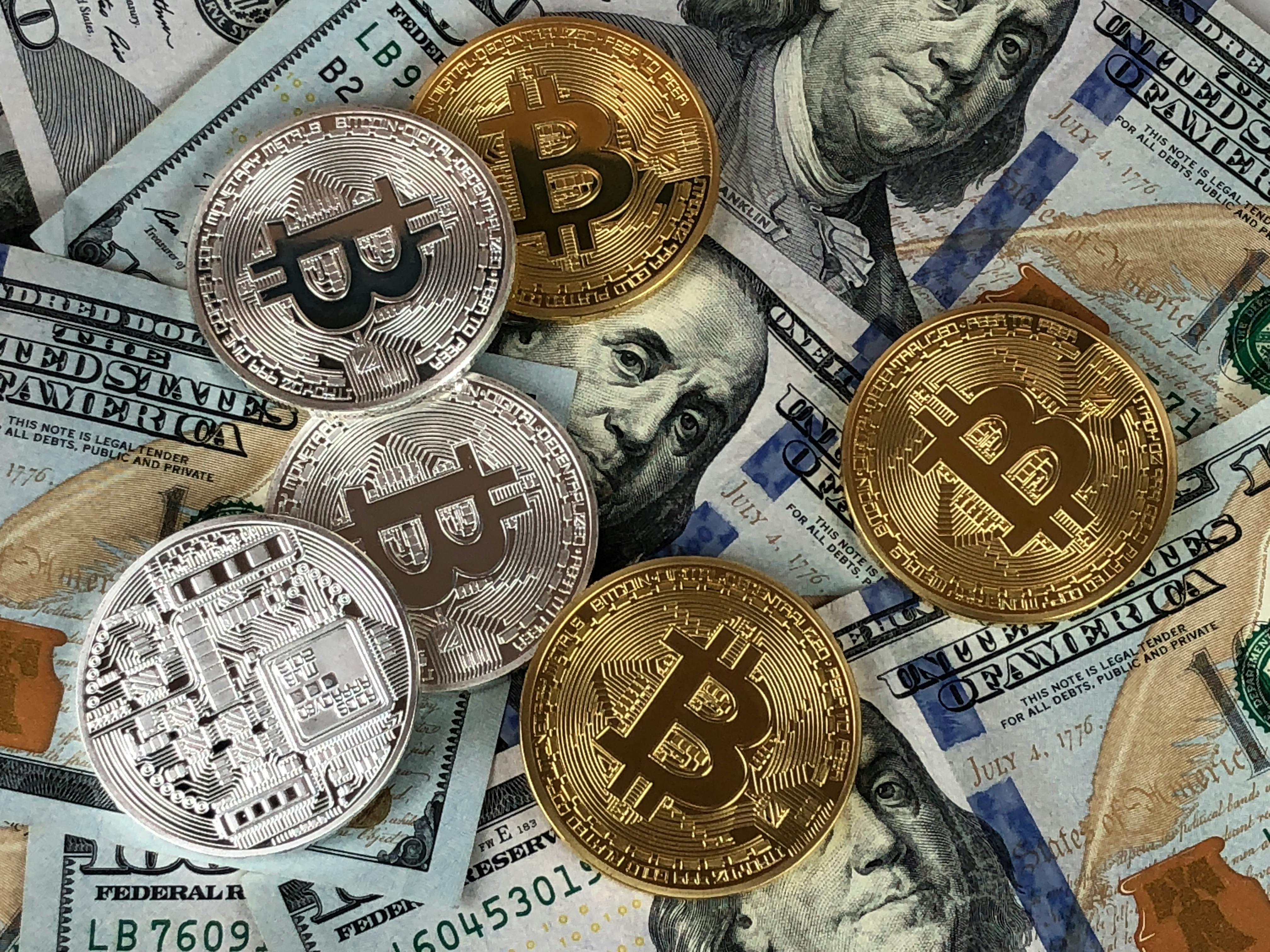
Gold has dropped below key levels, silver has fallen sharply from its highs, and Bitcoin has now lost roughly half its value from its October 2025 peak above $126,000. The problem for Bitcoin is that it did not fully participate in the metals rally on the way up, but it is now participating in the decline.
That creates a difficult narrative. Bitcoin is still seen by long-term holders as a scarce asset, but in the short term it is trading like a high-beta risk asset tied to liquidity, rates and speculative demand.
Until the macro environment improves, Bitcoin may struggle to separate itself from the broader hard-asset selloff.
Strategy remains one of the most important company-specific stories in crypto. Cointelegraph reported that Grayscale research head Zach Pandl hopes Strategy sells at least $3 billion in Bitcoin to cover most of its cash obligations for the next two years.

The issue is not only Bitcoin's price. Strategy has built a large capital structure around its Bitcoin holdings, including preferred stock products. Cointelegraph noted that Strategy faces annual preferred dividend obligations of about $1.2 billion, driven mainly by STRC.
STRC has been trading well below its $100 reference price, and Strategy's common stock has also been under heavy pressure. The concern is that if Bitcoin remains weak and dividend obligations rise, investors may start questioning whether Strategy's structure is still sustainable without selling some BTC.
There is disagreement. CryptoQuant has argued that Strategy should pause Bitcoin purchases and rebuild cash reserves. Others argue that Strategy can defend STRC through dividend adjustments and other capital-market tools without selling Bitcoin.
For the broader market, the debate matters because Strategy is the largest publicly listed corporate Bitcoin holder. If investors begin to fear forced BTC sales, sentiment could weaken further. If Strategy stabilizes its capital structure, it could reduce one of the market's biggest overhangs.
Despite the weak price action, some on-chain analysts are beginning to see signs of a potential bottoming process. Cointelegraph reported that Bitcoin unspent transaction output data shows a growing number of coins being spent at a loss, a pattern that has historically appeared near bear-market lows.
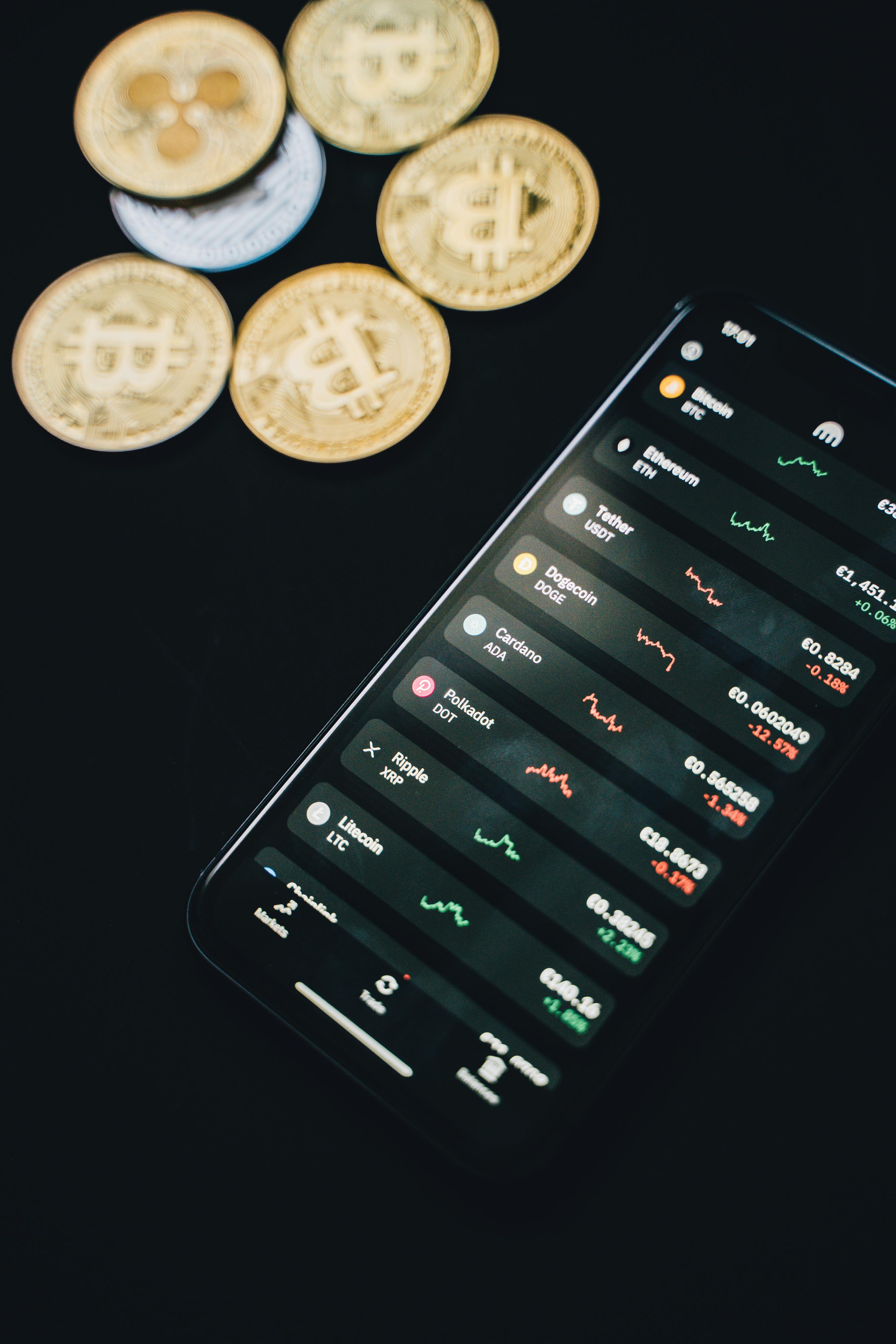
This does not mean Bitcoin has already bottomed. Capitulation can take time. Prices can remain weak even after the first bottoming signals appear. But it does suggest that more investors are giving up, which is often a necessary step before a durable recovery can begin.
The key distinction is between a bottoming process and an immediate reversal. Today's data may support the idea that Bitcoin is closer to value territory for long-term investors, but the market still needs improving liquidity and stronger spot demand before a trend change becomes convincing.
Infrastructure also remains in focus. Cointelegraph reported that Coinbase's layer-2 network Base suffered two block-production outages last week because of a sequencer bug.

According to Base's post-mortem, the issue involved stale journal state after an invalid transaction failed during execution. Base experienced two outages: the first lasted 116 minutes, while the second lasted 20 minutes.
This matters because Base is one of the largest Ethereum layer-2 networks, with nearly $11 billion in total value secured, according to the Cointelegraph report citing L2Beat. The incident shows that even major layer-2 networks still face operational risks when they rely on centralized sequencers.
Base said it fixed the issue with a patch and plans to improve fuzz testing and graceful recovery systems. That is positive, but the market will continue watching whether layer-2 networks can become more resilient as they handle more real user activity, payments and decentralized finance applications.
For investors, the lesson is that scaling infrastructure is improving, but it is not risk-free.
Another important long-term story comes from Fidelity Digital Assets. Cointelegraph reported that Fidelity pushed back against claims that Bitcoin becomes less secure after each halving because miner rewards decline.

Fidelity argued that Bitcoin security depends on more than block subsidies. Transaction fees, price appreciation, market incentives and mining economics all contribute to network security. The report said average daily miner revenue has grown from roughly $26,300 during Bitcoin's first halving cycle to more than $40.2 million today.
This is important because miners are under pressure in the current market. Lower Bitcoin prices, reduced block rewards and higher operating costs have made the mining sector difficult. Some public miners are shifting toward artificial intelligence and high-performance computing infrastructure to diversify revenue.
Fidelity's argument does not erase near-term mining stress. But it does separate short-term miner profitability from Bitcoin's long-term security thesis. In other words, weak mining stocks do not necessarily mean the Bitcoin network itself is failing.
AI remains one of the biggest competing narratives for capital. CoinDesk reported that Binance founder Changpeng Zhao believes crypto's difficult 2026 is partly tied to investors shifting funds toward artificial intelligence, global tension and the normal four-year crypto cycle.

That does not mean AI is permanently bad for crypto. In the long run, AI agents, machine payments and decentralized compute could create new blockchain use cases. But in the short term, AI is competing with crypto for speculative capital.
This is one reason crypto rebounds have been weak. Even when prices look cheap, investors may prefer AI stocks until crypto shows stronger momentum or clearer institutional demand.
Even during the selloff, long-term infrastructure themes remain active. CoinDesk's research section highlighted tokenized equities platforms, while Cointelegraph reported that Securitize expects to raise $400 million ahead of its public debut.

At the same time, regulation remains a mixed factor. U.S. lawmakers are still debating digital asset market structure rules, while European regulators are tightening MiCA enforcement. Cointelegraph reported that EU lawmakers are also calling for more assessment of DeFi, staking and NFT regulation.
Clear rules could help institutional adoption. But overly broad regulation could pressure non-custodial protocols, smaller exchanges and crypto-native builders.
The long-term story is therefore still constructive, but the market wants evidence that regulation will support real adoption rather than only increase compliance costs.
The first signal is whether Bitcoin can reclaim $60,000 and stay above it. A quick recovery would reduce the damage from the weekend breakdown.
The second signal is ETF flow. If outflows slow or reverse, Bitcoin could regain institutional support. If outflows continue, rallies may remain fragile.
The third signal is the U.S. dollar and Fed expectations. A softer dollar or less hawkish rate outlook would help crypto, gold and other non-yielding assets.
The fourth signal is Strategy. Any decision to sell Bitcoin, raise dividends or rebuild cash reserves could affect market confidence.
The fifth signal is on-chain capitulation. UTXO and SOPR data suggest the market may be entering a bottoming phase, but confirmation requires improving price action.
The sixth signal is infrastructure reliability. Base's outages remind investors that scaling networks still need stronger recovery systems before they can support mainstream financial activity.
Crypto markets are defensive today. Bitcoin is struggling around $60,000, Ethereum is near $1,575, and Solana is around $71. ETF outflows, a hawkish Federal Reserve, a stronger dollar, AI-driven capital rotation and Strategy-related concerns are all weighing on sentiment.
The short-term picture remains weak. Bitcoin needs to reclaim $60,000 quickly and show stronger spot demand before traders can talk about a real recovery.
The medium-term picture is more nuanced. On-chain capitulation signals are starting to appear, and long-term investors may see the current environment as an accumulation phase. But capitulation is a process, not a single candle.
The long-term crypto infrastructure story is still alive. Tokenization, stablecoins, layer-2 networks, institutional products and AI-linked crypto use cases continue to develop. But the market is demanding proof, not promises.
For investors, caution remains necessary. For the industry, the message is different: the bear market is exposing weak structures, but it is also forcing stronger infrastructure, clearer regulation and more serious capital discipline.
This article is for informational purposes only and should not be considered financial advice.
Sources: CoinDesk, CoinDesk, CoinDesk, Cointelegraph, Cointelegraph, Cointelegraph, Cointelegraph, Decrypt.